
Why Zambia Is Shifting to Heavy-Duty Semi Trailers?
ZW Group| 2026-6-23

Zambia’s logistics and mining transport sector is currently facing increasing pressure from rising copper production volumes and long-distance export routes to coastal ports such as Dar es Salaam in Tanzania and Beira in Mozambique. These corridors are becoming critical lifelines for Southern Africa’s mineral trade, but they are also exposing serious limitations in traditional transport systems.
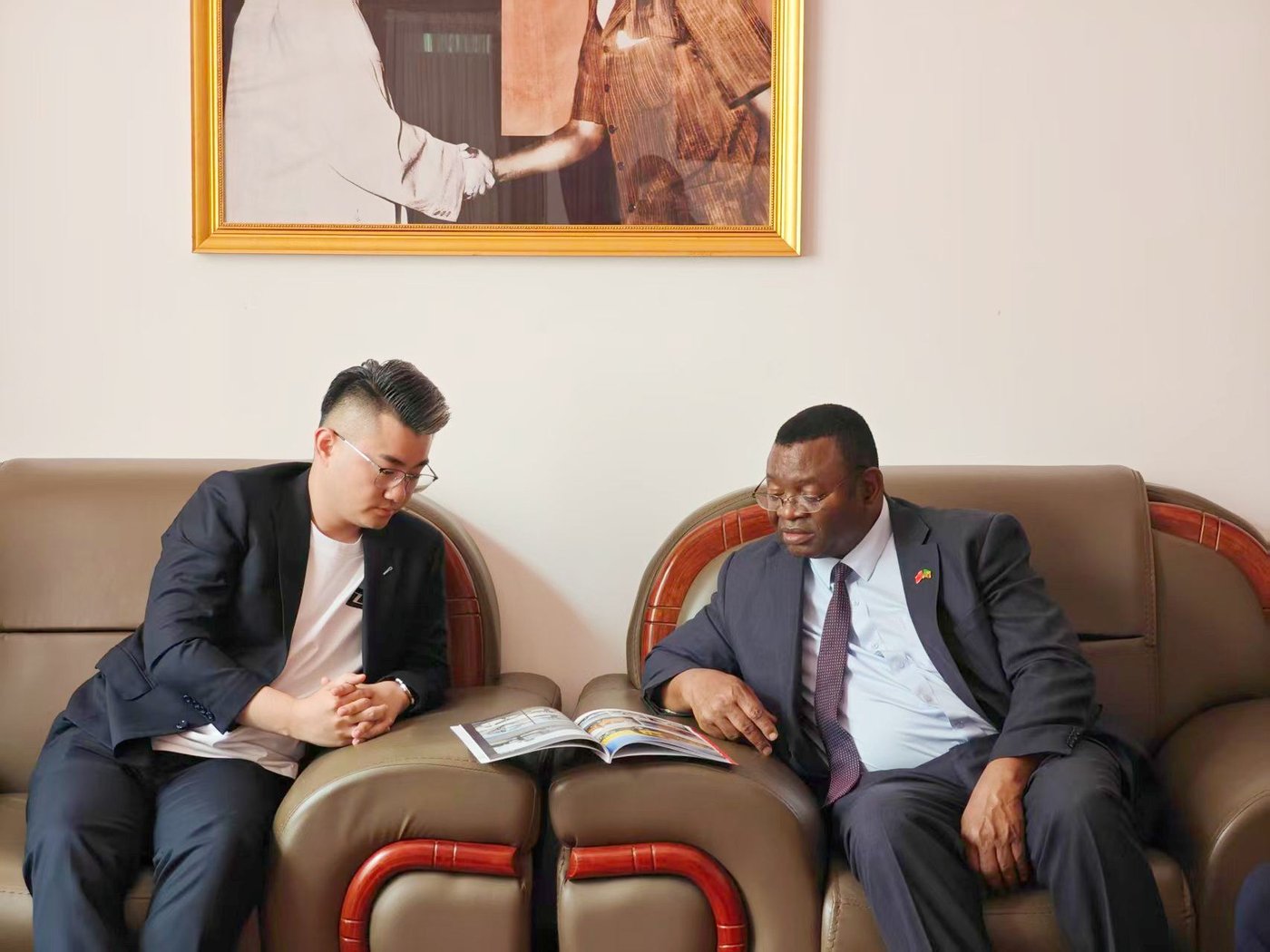
Against this backdrop, ZW Group recently held a technical discussion in Beijing with H.E. Mr. Ivan Zyuulu, Ambassador of the Republic of Zambia to China, focusing on practical transport solutions for mining logistics, container movement, and fuel distribution across the SADC region.
Unlike conventional trade discussions, the focus was not on general vehicle export, but on solving real operational bottlenecks in Zambia’s heavy freight ecosystem.

The Real Problem: Zambia’s Long-Distance Mining Transport Pressure
Zambia’s copperbelt region generates high-density mineral output that must be transported over long distances to export terminals. However, logistics operators face three persistent challenges:
- Excessive vehicle wear caused by continuous heavy-load cycles
- Long transit distances to coastal ports
- Limited fleet standardization across transport companies
These factors lead to frequent downtime, high maintenance costs, and reduced fleet efficiency, especially in mining haulage operations.
As a result, transport companies are increasingly shifting toward purpose-built semi-trailer systems designed specifically for African mining corridors.
Flatbed Semi Trailers for Copper and Bulk Cargo Transport
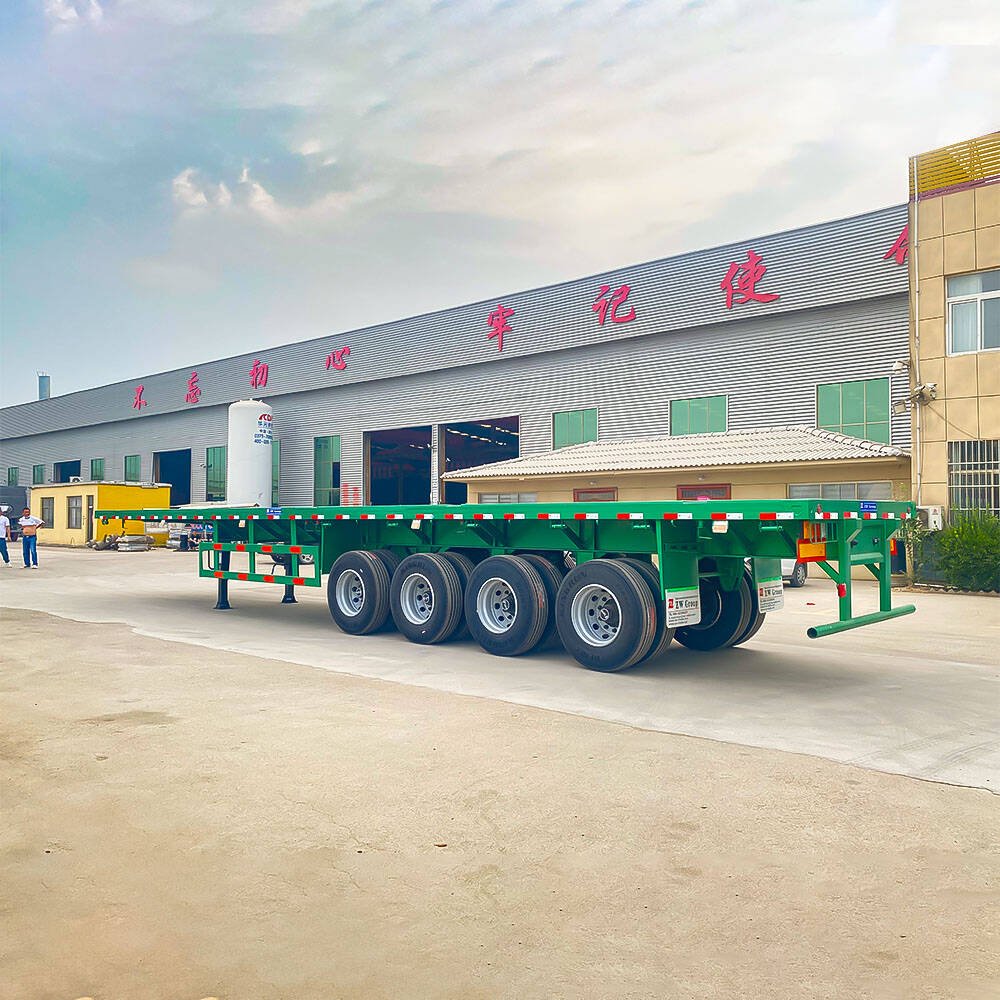
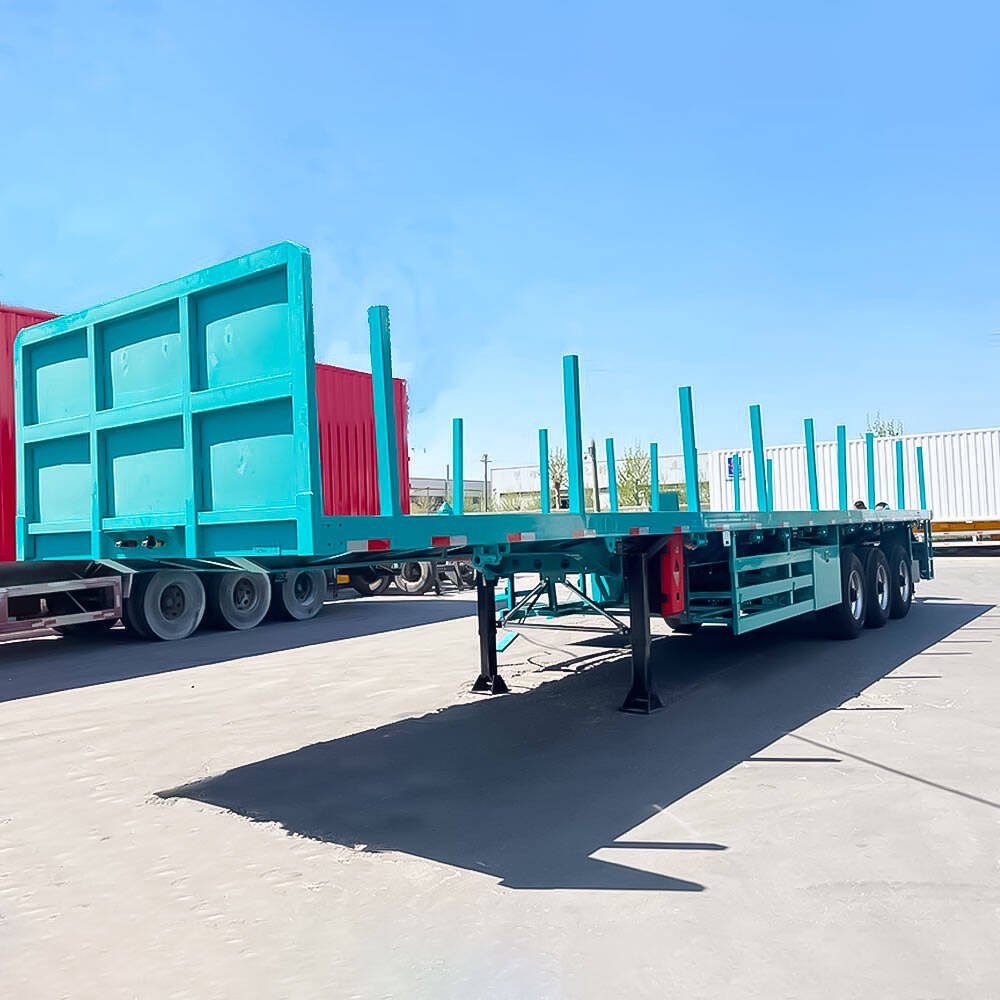
Flatbed semi trailers are becoming one of the most widely used solutions in Zambia’s mineral logistics sector.
They are commonly used for transporting:
- Copper cathodes
- Industrial raw materials
- Mining supplies
- Construction steel and equipment
ZW Semi Trailer designs flatbed units with reinforced high-tensile steel beams and optimized load distribution systems to improve stability under continuous heavy loading conditions.
These structures help reduce frame fatigue and improve long-distance hauling efficiency on uneven regional roads.
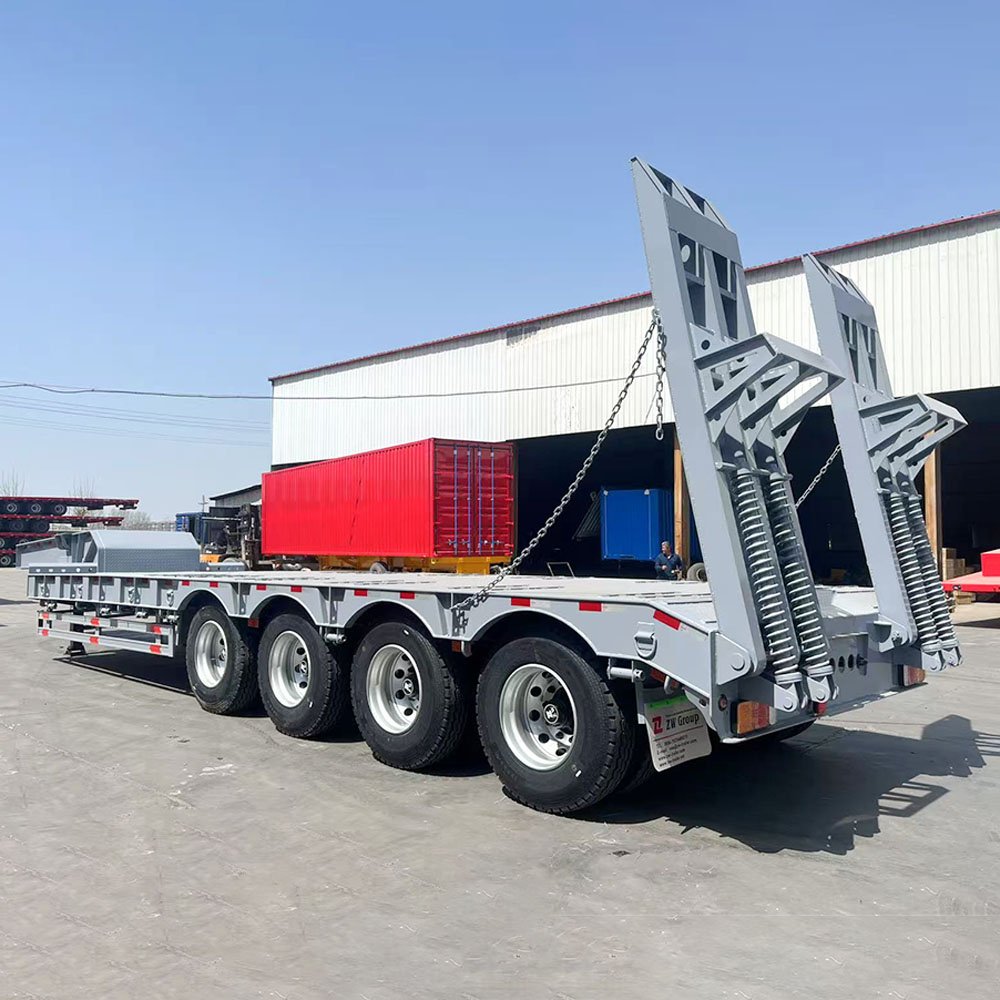
Lowbed Semi Trailers for Mining Equipment Movement
Mining operations in Zambia frequently require relocation of heavy machinery between sites, including excavators, drilling rigs, and wheel loaders.
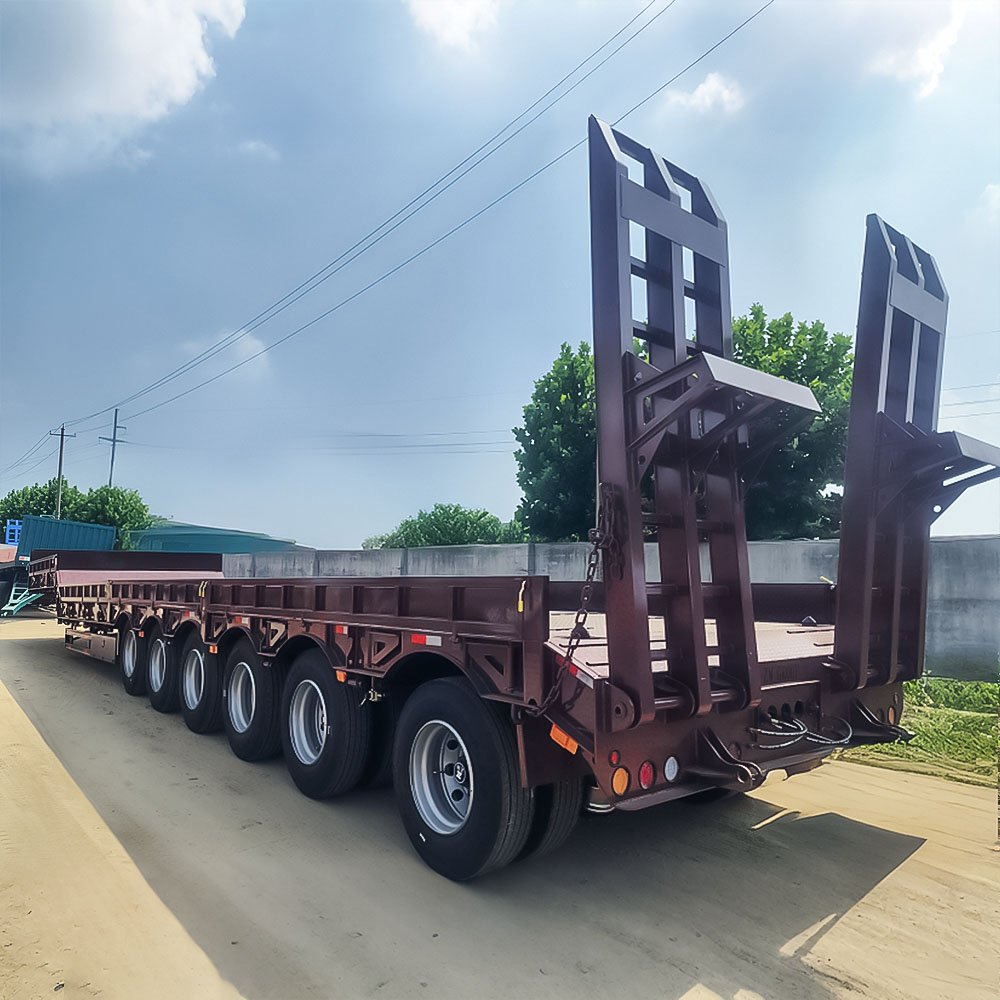
Lowbed semi trailers provide a reliable solution for this type of heavy equipment transport.
Key engineering features include:
- Reinforced main beams for high-load resistance
- Multi-axle configurations for weight distribution
- Heavy-duty hydraulic or mechanical ramps
- High ground clearance for rough terrain operations
These trailers allow mining companies to maintain operational flexibility across remote sites while reducing equipment damage risks during relocation.
Skeleton Semi Trailers and the Container Efficiency Challenge
Zambia’s reliance on regional ports creates a strong demand for efficient container transport systems.
However, container imbalance and long turnaround cycles remain major challenges in cross-border logistics.
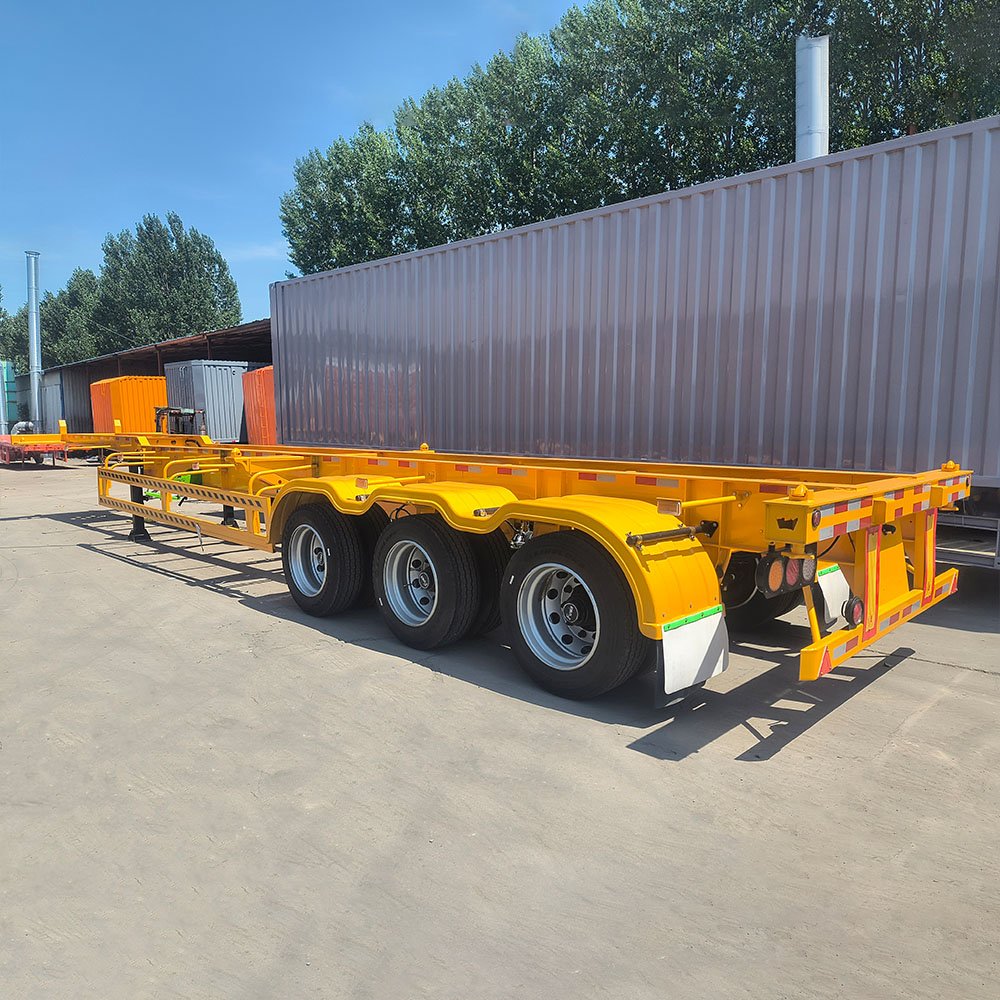
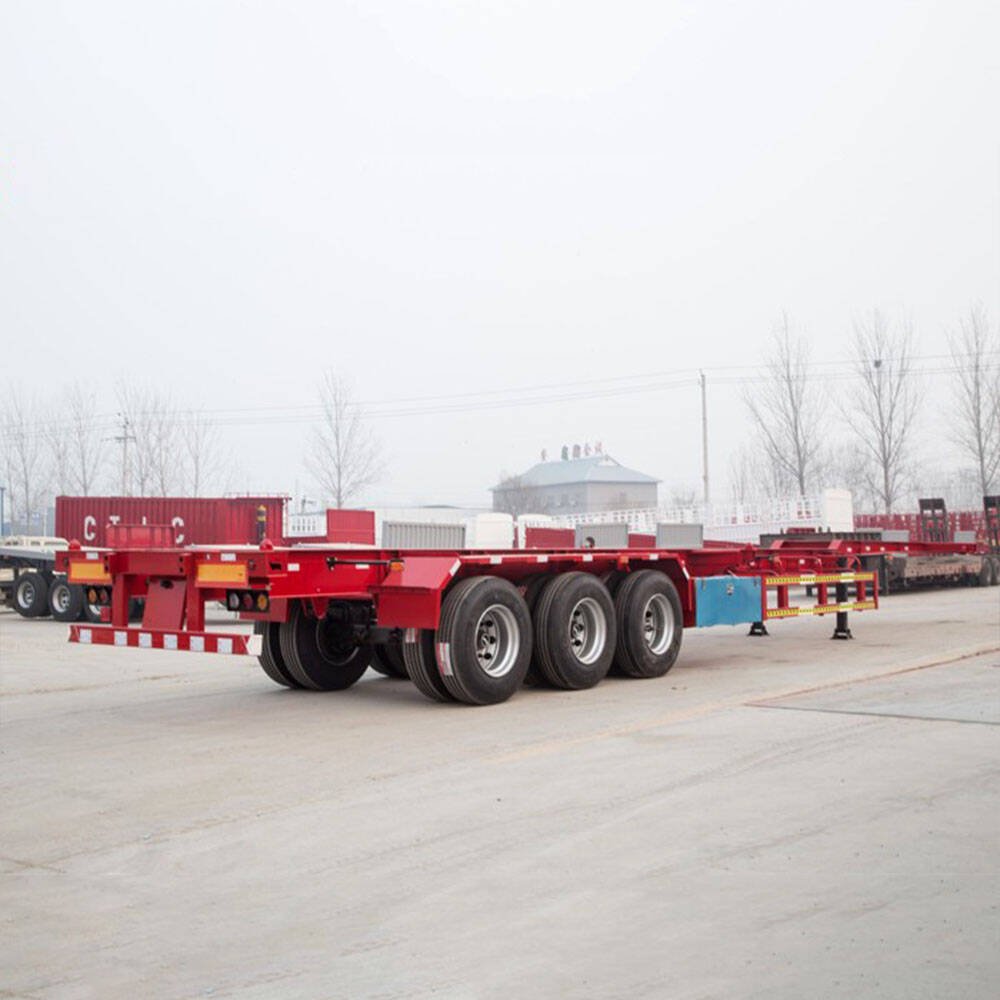
Skeleton semi trailers provide a high-efficiency solution for 20ft and 40ft container transport, especially along SADC corridors.
These trailers feature:
- International twist-lock systems
- Dual-line ABS braking systems
- Reinforced chassis structures
- High-speed road stability design
This allows logistics operators to improve container turnover rates while maintaining highway safety and load stability.
Fuel Transportation Across Remote Industrial Zones
Mining and industrial operations in Zambia depend heavily on stable fuel supply chains.
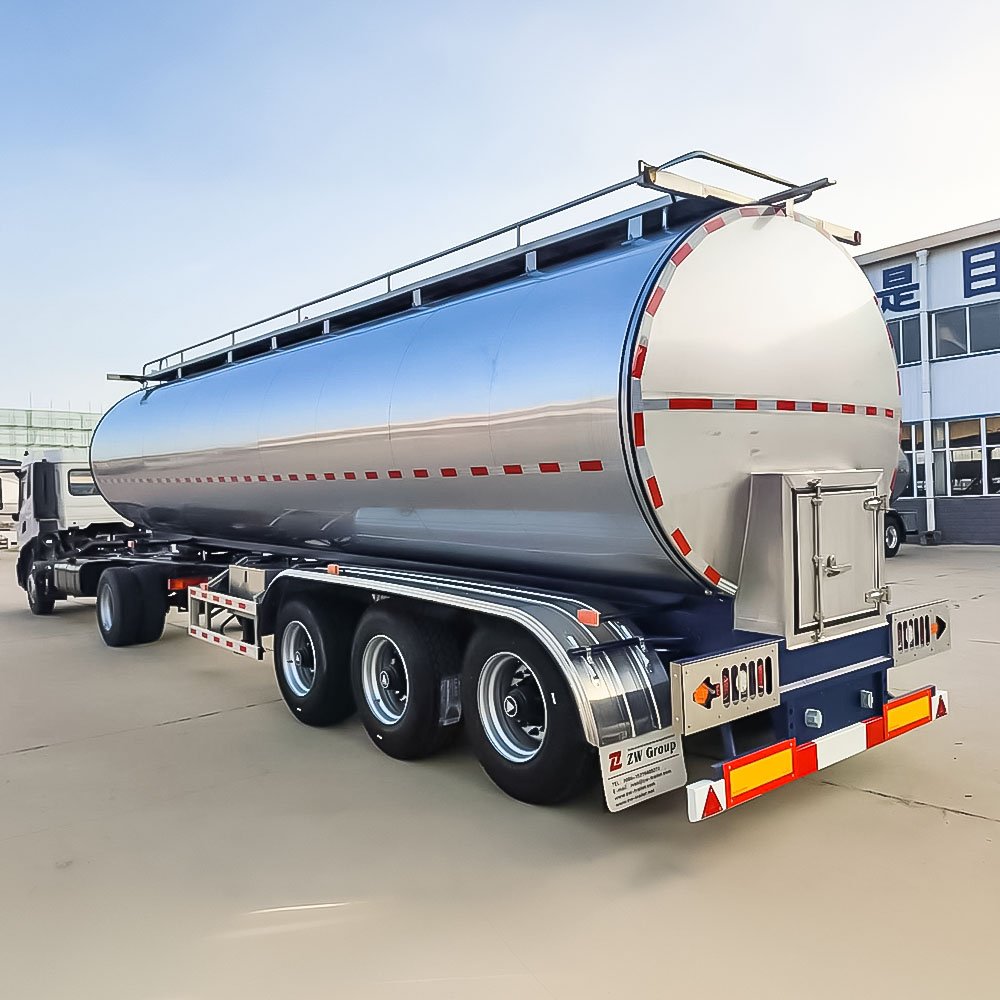
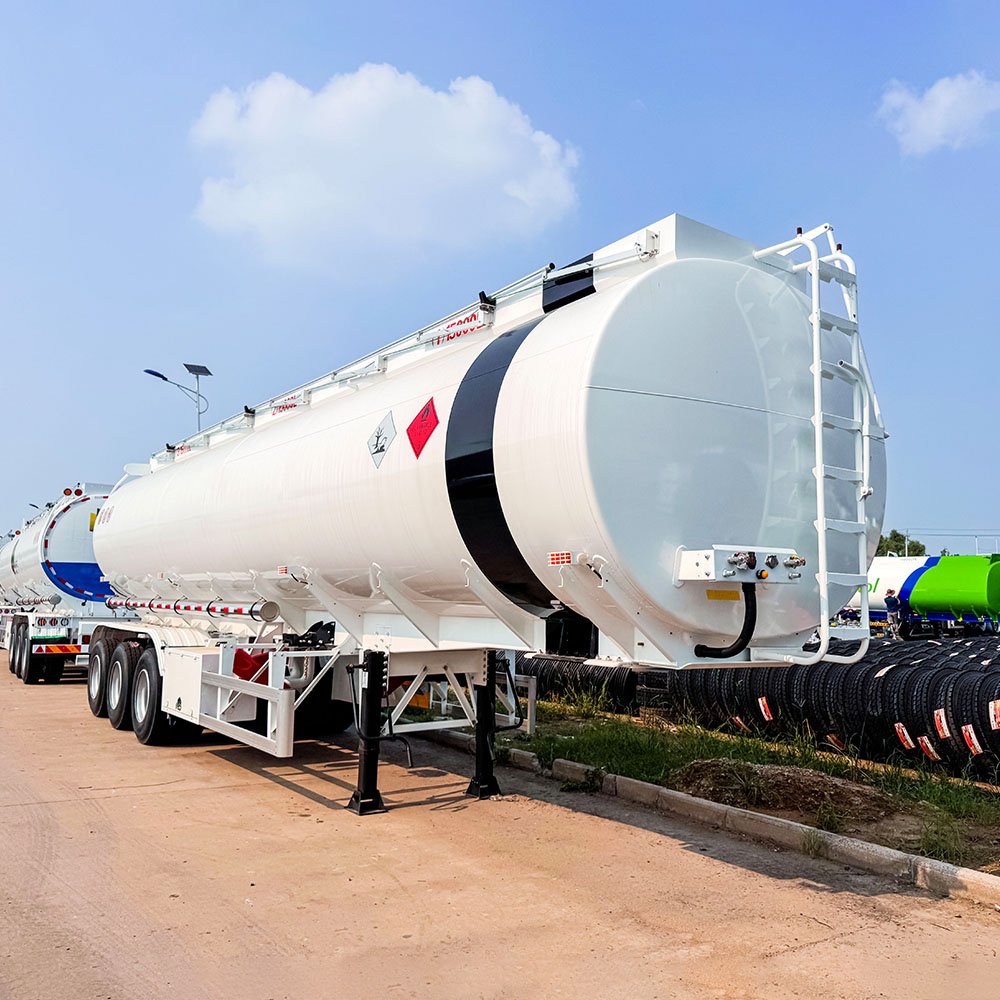
ZW Semi Trailer fuel tanker solutions are designed for safe long-distance fuel distribution between ports, depots, and inland mining regions.
Key features include:
- Anti-wave internal baffle systems
- Corrosion-resistant tank structures
- Multi-compartment design options
- Enhanced safety valve systems
These systems ensure consistent fuel delivery performance across long and challenging transport routes.
Fleet Standardization: A Hidden Cost Reduction Strategy
One of the key insights from the technical exchange was the importance of fleet standardization in reducing long-term operational costs.
Many African logistics fleets operate mixed equipment models, leading to:
- High spare parts inventory costs
- Longer maintenance downtime
- Inefficient repair cycles
ZW Semi Trailer promotes component standardization across fleets, including:
- Landing gear systems
- Brake chambers
- Suspension assemblies
- Axle configurations
This approach helps operators simplify maintenance logistics and improve vehicle availability rates.
Building More Transparent and Reliable Export Systems
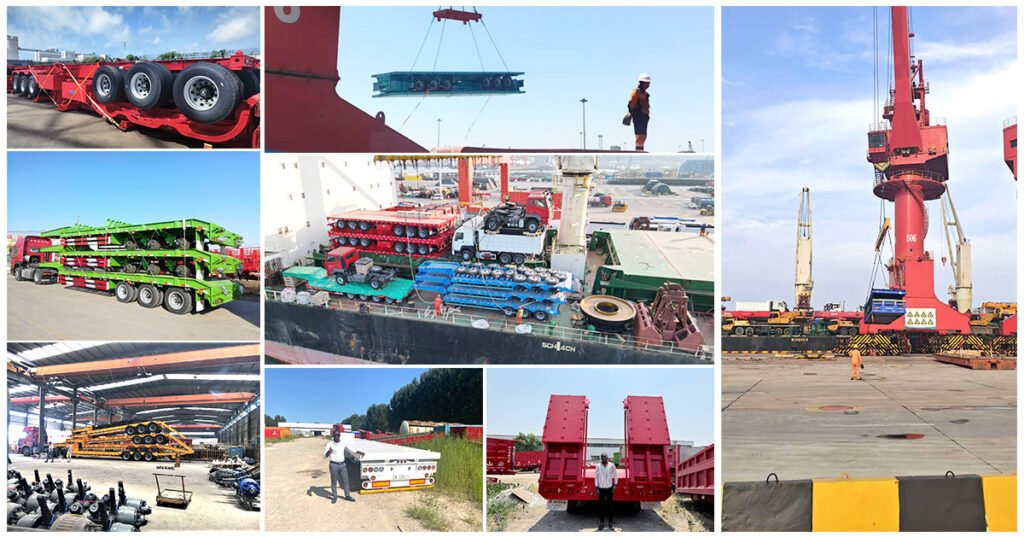
To address long-standing concerns in international equipment procurement, ZW Group applies a strict verification system for all semi-trailer exports.
Each unit undergoes:
- Verified chassis number and documentation matching
- Mechanical inspection and certification reports
- Pre-shipment braking and structural testing
- Electrical system validation
This ensures that all delivered equipment meets operational requirements for African mining and transport conditions.
Conclusion: Zambia’s Shift Toward Structured Semi-Trailer Systems
Zambia’s growing mining output and expanding regional trade routes are accelerating demand for reliable and standardized transport systems.
Semi trailers are increasingly replacing fragmented transport solutions due to their durability, efficiency, and adaptability to harsh operating environments.
ZW Semi Trailer continues to support this transition by providing application-specific transport solutions designed for mining, logistics, container movement, and fuel distribution across Southern Africa.
About ZW Semi Trailer
ZW Semi Trailer is a professional manufacturer and exporter of semi-trailer transport solutions from China.
Main products include:
- Fuel Tanker Semi Trailers
- Lowbed Semi Trailers
- Flatbed Semi Trailers
- Skeleton Semi Trailers
- Dump Semi Trailers
- Side Wall Semi Trailers
- LPG Tanker Trailers
The company serves Africa, the Middle East, Southeast Asia, and South America with customized transport solutions for mining, logistics, construction, and infrastructure sectors.
Frequently Asked Questions
Why is Zambia shifting toward semi trailers?
Because mining logistics requires higher durability, longer service life, and better efficiency than traditional mixed transport systems.
What are the main semi trailer types used in Zambia?
Flatbed, lowbed, skeleton, and fuel tanker semi trailers are the most commonly used types.
How do semi trailers support mining operations?
They enable safe transport of copper, mining equipment, and bulk materials over long-distance and rough terrain routes.
Why is fleet standardization important?
It reduces maintenance cost, spare parts inventory complexity, and vehicle downtime in large logistics operations.