Why Gabon Buyers Choose ZW Semi-Trailers?
ZW Group| 2026-10-29

For transportation companies, construction contractors, and logistics operators in Gabon, choosing the right semi-trailer is an important investment. Different transportation tasks require different trailer configurations, whether the goal is to move general cargo, transport heavy machinery, carry bulk materials, or support industrial logistics.
When purchasing semi-trailers from an overseas supplier, buyers need to consider more than the initial price. Trailer specifications, compatibility with the tractor unit, cargo requirements, operating conditions, shipping arrangements, and after-sales support all play an important role in the purchasing decision.
ZW Group provides a range of semi-trailer solutions for international transportation and industrial applications. For customers in Gabon, selecting the right trailer means finding a solution that matches their cargo, routes, and business requirements.
This article explores the key factors Gabon buyers should consider when choosing semi-trailers from ZW Group, while also discussing how a used dump truck may complement a broader transportation fleet.
1. Semi-Trailers for Different Transportation Requirements in Gabon
Gabon’s transportation and industrial sectors require equipment for a variety of applications, including general cargo transportation, forestry logistics, construction projects, mining-related operations, and bulk material delivery.
A suitable semi-trailer can help operators transport cargo more efficiently while matching the requirements of their existing tractor trucks.
ZW Group offers different semi-trailer options for various transportation needs.
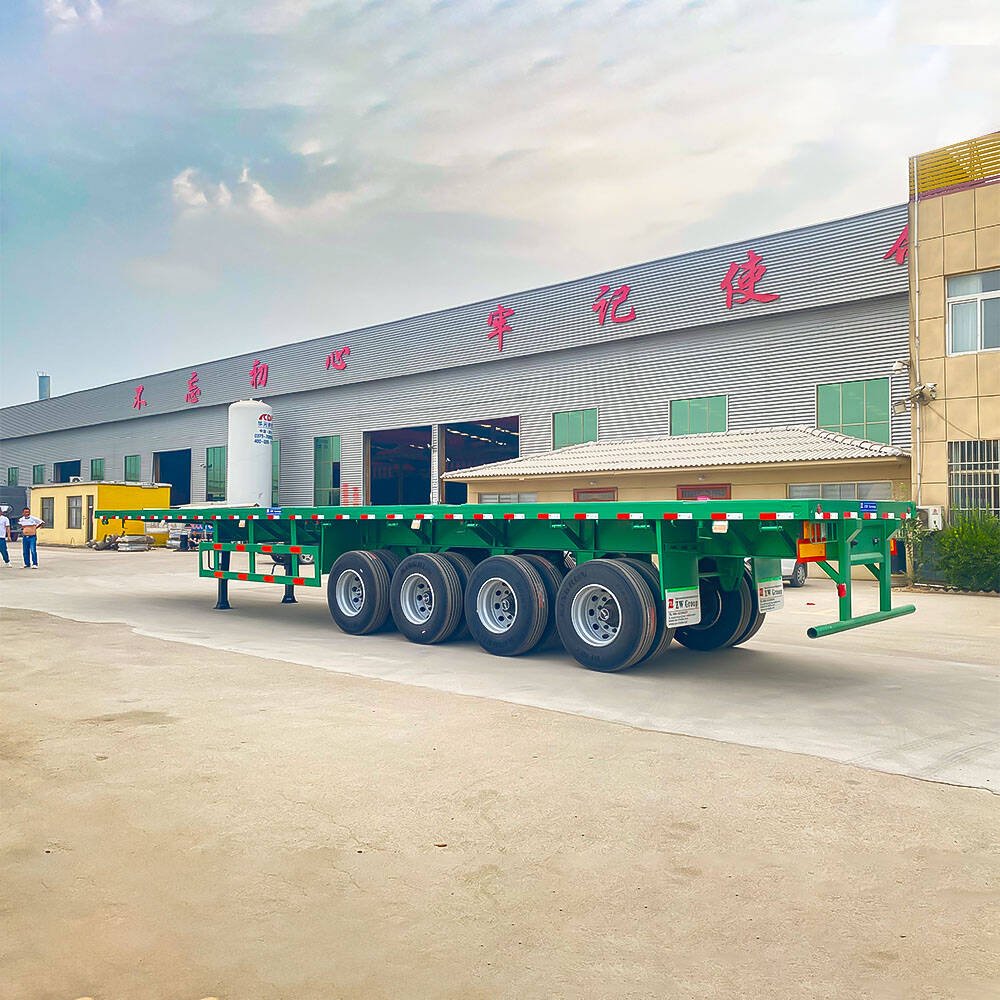
Flatbed Semi-Trailers for General Cargo
Flatbed semi-trailers are widely used for transporting steel, construction materials, packaged goods, and other general cargo.
Their open-deck design provides flexibility for loading and unloading with cranes, forklifts, or other suitable equipment. For businesses handling different types of cargo, a flatbed trailer can be a practical option.
When selecting a flatbed semi-trailer, buyers should consider:
Deck length and width
Payload requirements
Axle configuration
Cargo securing points
Compatibility with the tractor unit
Loading and unloading methods
The trailer should be selected according to the actual cargo dimensions and transportation requirements rather than payload alone.
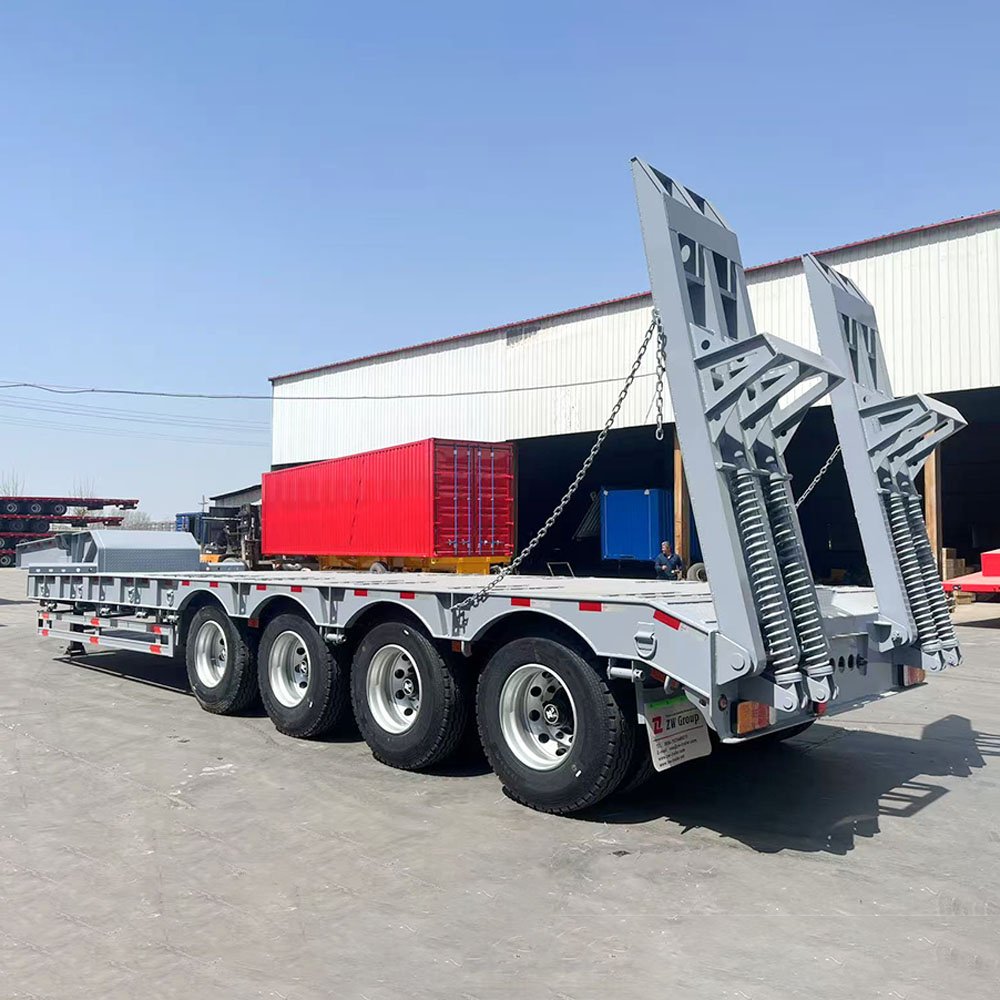
Lowbed Semi-Trailers for Heavy Equipment
Lowbed semi-trailers are designed for transporting heavy machinery and oversized equipment.
Their low loading deck helps reduce the overall transportation height of the cargo, which can be important when moving excavators, bulldozers, loaders, and other large machines.
For customers involved in construction, industrial projects, or heavy equipment transportation, a lowbed trailer may provide a suitable solution.
Before purchasing, buyers should confirm:
The weight and dimensions of the equipment
Loading deck height and length
Required axle configuration
Ramp type and loading method
Tractor capacity and coupling compatibility
Applicable road and transportation regulations
The correct lowbed configuration depends on the equipment being transported and the routes on which the trailer will operate.
Dump Semi-Trailers for Bulk Materials
Dump semi-trailers are designed for transporting and unloading bulk materials such as sand, gravel, soil, and construction aggregates.
They are commonly considered for construction, road-building, and bulk-material transportation applications.
When choosing a dump semi-trailer, buyers should evaluate the body capacity, material density, chassis structure, suspension, axle configuration, and hydraulic tipping system.
A larger body does not automatically mean a higher usable payload. Dense materials may reach the permitted weight limit before the body is completely filled.
The trailer’s configuration should therefore match both the cargo and the operating conditions.
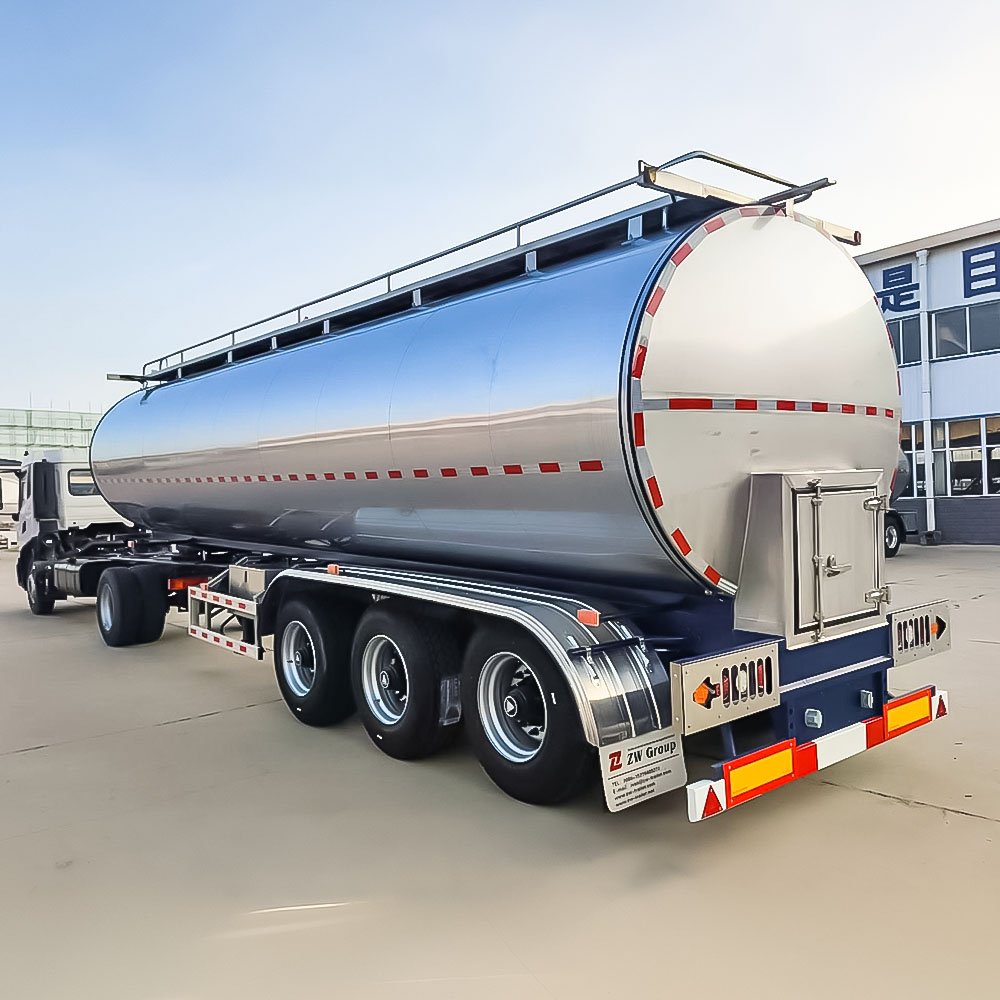
Tanker Semi-Trailers for Liquid and Powder Transportation
For businesses involved in fuel distribution or bulk-material transportation, tanker semi-trailers can provide a specialized transportation solution.
Depending on the cargo, buyers may consider fuel tanker trailers, cement bulk tankers, chemical tanker trailers, or other tanker configurations.
Important selection factors include:
Cargo type and compatibility
Tank material
Tank capacity and compartment arrangement
Discharge system
Axle and suspension configuration
Applicable safety and transportation requirements
The tanker should be designed for the specific material being transported. Buyers should confirm the intended application and relevant technical requirements before placing an order.
2. Choosing the Right Semi-Trailer Configuration
Selecting a semi-trailer is not simply a matter of choosing a product category. The configuration must match the cargo, tractor unit, and operating environment.
For example, a flatbed semi-trailer used for general cargo may require different specifications from a lowbed trailer transporting heavy machinery.
Before confirming an order, buyers should discuss the following details with the supplier:
Selection Factor | What Buyers Should Confirm |
|---|---|
Cargo type | General cargo, machinery, bulk materials, or liquid cargo |
Payload | Required load and applicable weight limits |
Trailer type | Flatbed, lowbed, dump, tanker, or another configuration |
Axle configuration | Suitable axle arrangement for the intended load |
Dimensions | Deck length, width, height, or tank dimensions |
Tractor compatibility | Kingpin, fifth-wheel height, braking, and electrical connections |
Operating conditions | Road surface, route distance, loading method, and unloading requirements |
Compatibility with the tractor unit deserves particular attention.
The kingpin, fifth-wheel height, braking connections, electrical system, and other coupling details should be checked against the tractor’s specifications.
For dump and tanker semi-trailers, the relevant hydraulic or discharge arrangements should also be confirmed.
Clear communication before production or shipment helps reduce the risk of selecting a trailer that does not match the customer’s existing fleet.
3. Why Semi-Trailer Quality and Transparency Matter
For international buyers, evaluating a semi-trailer requires more than reviewing product photographs or a basic quotation.
The buyer should understand the actual configuration, principal specifications, included equipment, and inspection arrangements.
A useful quotation should clearly identify the trailer type and its key technical details, such as:
Overall dimensions
Payload or rated capacity
Axle configuration
Suspension system
Tire specifications
Braking system
Main structural components
Optional equipment
These details make it easier to compare different offers and understand whether the proposed trailer meets the intended requirements.
For example, two flatbed semi-trailers may have similar dimensions but differ in axle configuration, suspension, tire specifications, or included accessories.
A lower price is meaningful only when the differences between the offers are understood.
Before confirming an order, buyers should also clarify which accessories are included, whether inspection is available, and what documentation will be provided.

4. Export Coordination for Customers in Gabon
Purchasing a semi-trailer from China involves more than selecting the right product. Buyers also need to coordinate order confirmation, vehicle preparation, export documentation, shipping, and destination arrangements.
For customers in Gabon, it is important to confirm the following before shipment:
The final trailer specifications
The agreed price and included equipment
Inspection arrangements
Export documentation
Shipping method and destination
Responsibilities for freight and destination charges
Expected delivery schedule
Shipping costs and transit times can vary depending on the trailer dimensions, shipping method, destination port, and current logistics conditions.
For oversized or heavy trailers, the transportation method may require additional planning. The dimensions and weight of the actual unit should be confirmed with the supplier and shipping provider.
Buyers should also check the documents required for customs clearance, registration, and road use in Gabon with the relevant authorities or a qualified local customs agent.
Clear communication at each stage helps both parties establish expectations and prepare for the delivery process.
5. A Used Dump Truck as a Complementary Fleet Purchase
In addition to semi-trailers, some transportation businesses may consider purchasing a used dump truck to support their operations.
A used dump truck can provide a different transportation function from a semi-trailer. While a semi-trailer generally depends on a compatible tractor unit, a dump truck carries and unloads bulk materials using its own vehicle chassis and tipping body.
For buyers considering both products, the purchasing requirements should be evaluated separately.
The semi-trailer selection should focus on cargo requirements, configuration, tractor compatibility, and trailer condition.
The used dump truck should be assessed according to its individual vehicle condition, including the engine, chassis, transmission, braking system, and tipping mechanism.
A used vehicle should be inspected carefully before payment. Buyers should request information about its identity, available maintenance records, known defects, and current operating condition.
Where possible, an independent inspection can help verify that the vehicle matches the agreed description.
The condition of a used dump truck should not be assumed based on appearance alone.
6. Why Gabon Buyers Can Consider ZW for Semi-Trailer Solutions
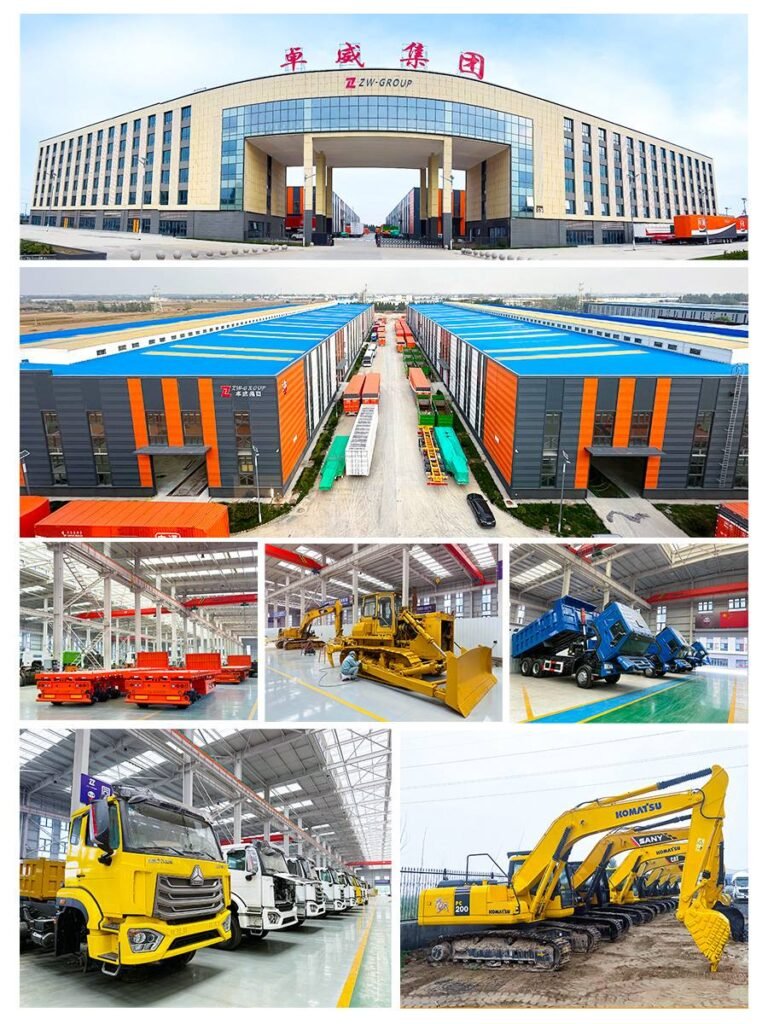
ZW Group offers a range of semi-trailer products for different transportation applications, including flatbed, skeletal, lowbed, dump, tanker, fence, side wall, and other specialized trailers. The company’s product range is designed to support cargo transportation, heavy equipment logistics, bulk-material handling, and industrial applications.
For customers in Gabon, the most important step is identifying the trailer configuration that matches their actual business requirements.
ZW Group can discuss semi-trailer options according to:
Cargo type and transportation purpose
Required payload and trailer dimensions
Axle and suspension configuration
Tractor compatibility
Loading and unloading requirements
Destination and export arrangements
By providing clear information about the intended application, buyers can compare available options and make a more informed purchasing decision.
For businesses considering both semi-trailers and used dump trucks, it is also important to confirm the specifications and condition of each vehicle separately.
Conclusion: Find the Right Semi-Trailer for Your Business in Gabon
Choosing a suitable semi-trailer requires careful consideration of cargo requirements, trailer configuration, tractor compatibility, operating conditions, and export arrangements.
For transportation companies and project operators in Gabon, the right trailer can support a wide range of business activities, from general cargo transportation and heavy equipment logistics to bulk-material handling.
ZW Group provides semi-trailer solutions for different transportation needs and can discuss suitable configurations according to customer requirements.
Whether you are looking for a flatbed semi-trailer, lowbed semi-trailer, dump semi-trailer, tanker trailer, or another specialized trailer, the first step is to identify the cargo, required capacity, and operating conditions.
Looking for semi-trailers for your business in Gabon?
Contact ZW Group to discuss your requirements, including trailer type, payload, axle configuration, quantity, and destination. Our team can help you review suitable semi-trailer options and provide relevant product information for your project.