
LOWBED TRAILER: The Expert's Guide to Oversized Cargo
ZW Group| 2025-12-3
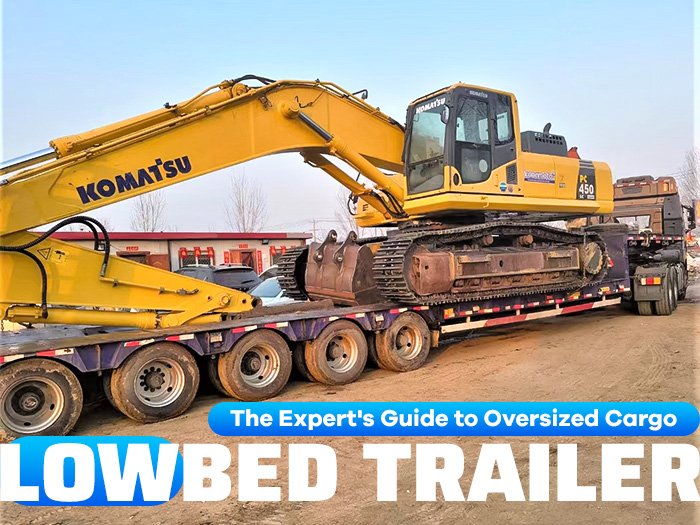
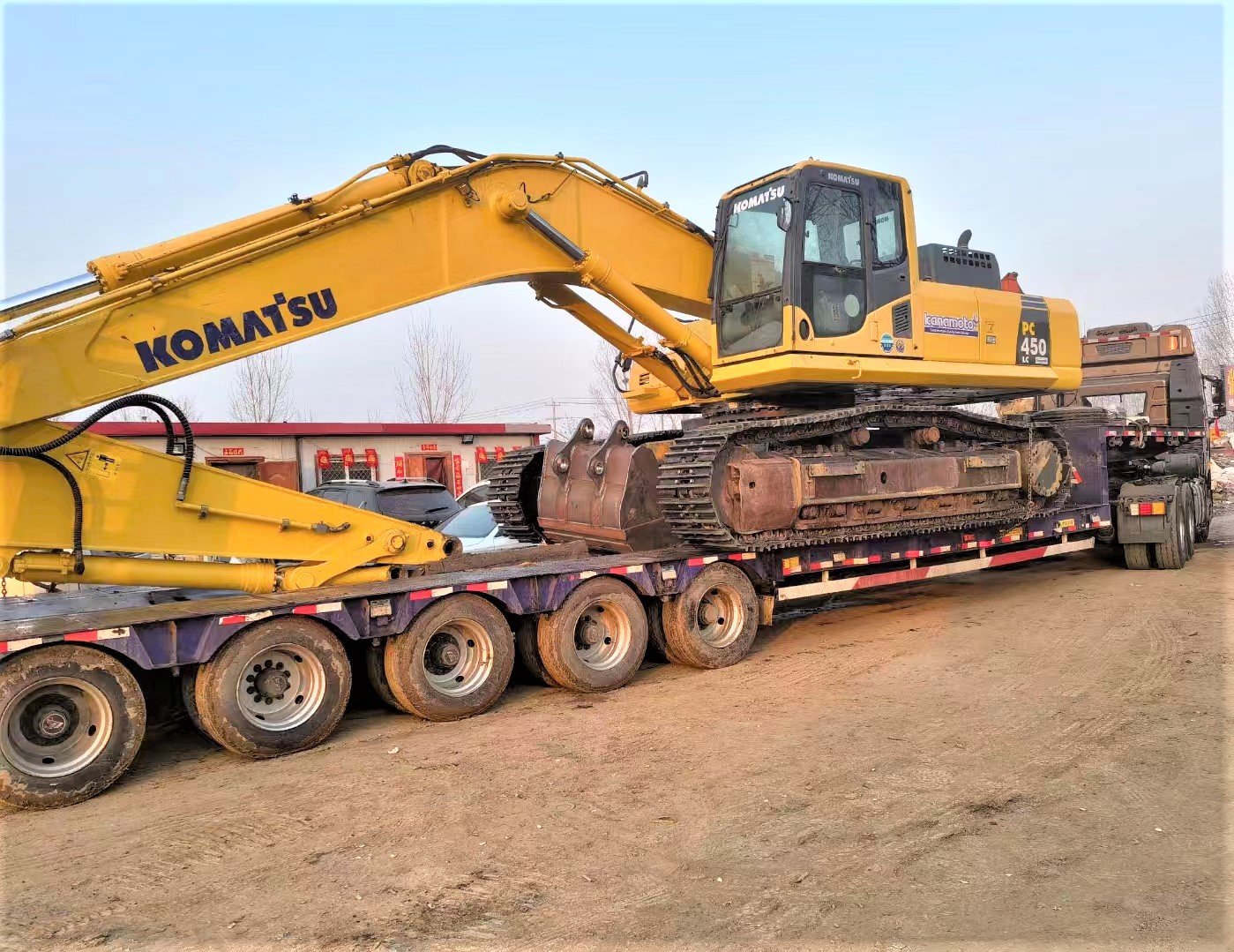
Lowbed trailers (also known as Lowboys, Low Loaders, or Float Trailers) are essential for heavy logistics, specifically engineered to transport oversized, heavy, and tall equipment—such as excavators, bulldozers, and large industrial components—that standard trailers cannot accommodate.
This guide provides an in-depth look at the structural engineering, core configurations, and manufacturing standards that define a quality Lowbed Trailer.
1. Structural Mastery: RGN & Hydraulic Systems
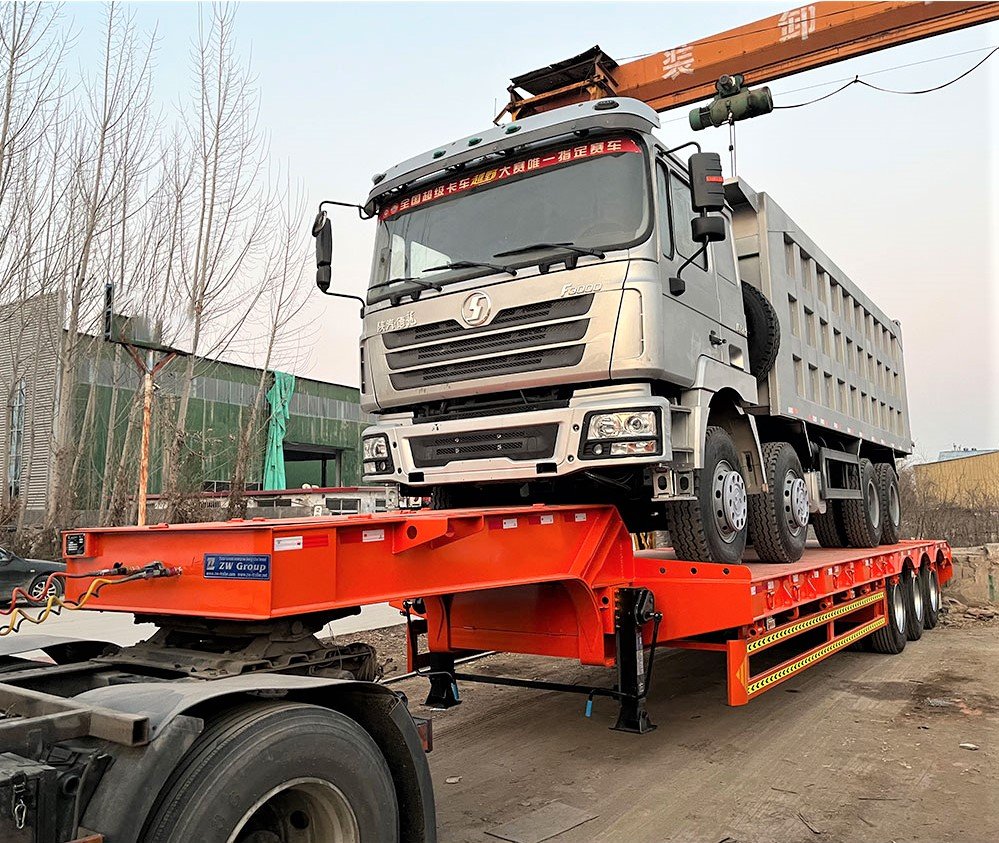
The defining feature of a lowbed trailer is the “Gooseneck.” This design lowers the center of gravity, offering unparalleled stability.
1.1 The RGN Advantage
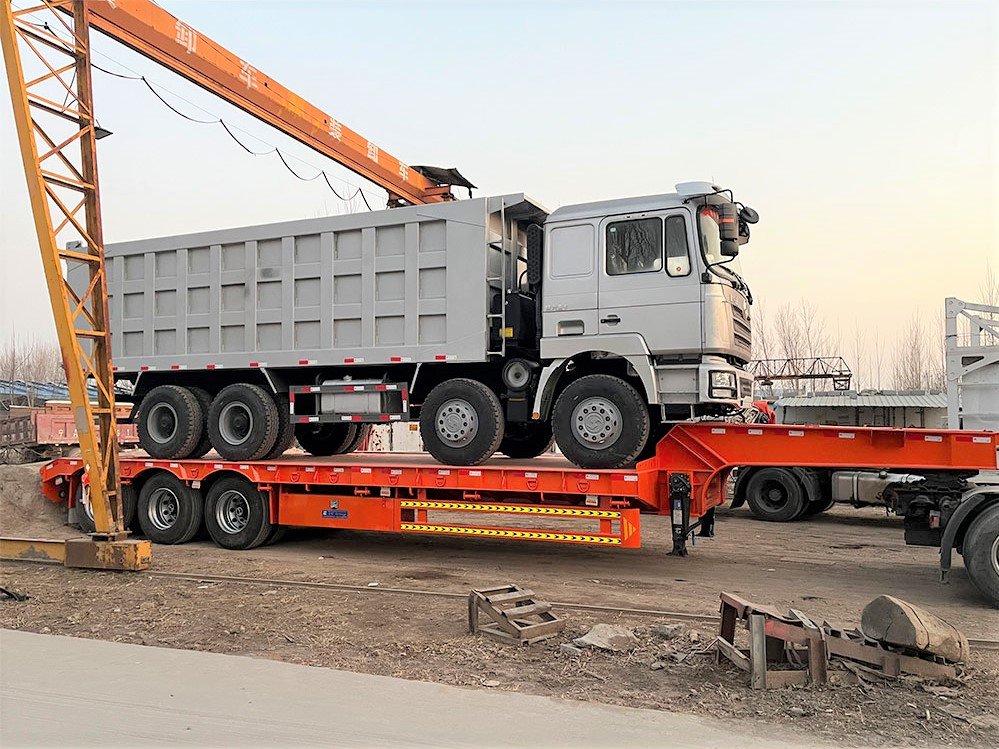
The Removable Gooseneck (RGN) is the premium standard. By detaching the gooseneck via hydraulic cylinders, the main deck transforms into a ramp, allowing heavy machinery to be driven directly onto the trailer from the front. This eliminates reliance on cranes and significantly reduces loading time and risk.
Engineering Case Study: ZW Group specializes in complex RGN solutions, delivering custom detachable gooseneck trailers tailored for specific heavy machinery in demanding regions.
1.2 Multi-Axle Systems
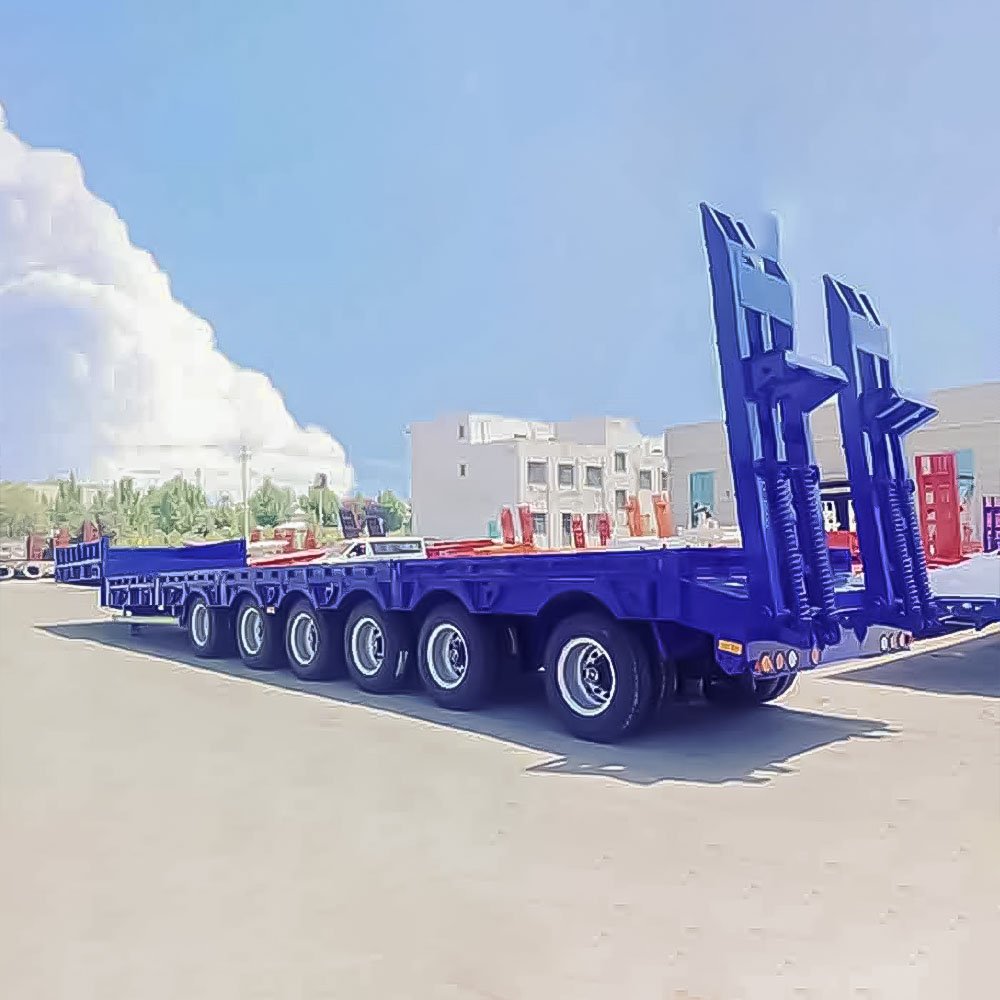
For loads exceeding 100 tons, hydraulic steering axles and modular multi-axle lines are crucial for precise control and load distribution. This is fundamentally different from a Flatbed Trailer , which is designed primarily for general cargo and containers.
2. Deep Dive: Mechanics of Lowbed Loading and Stress Factors
The lowbed’s loading sequence is a testament to its engineering. During RGN operation, the deck structure must withstand extreme localized stresses as the heavy equipment transitions from the ground to the main platform. Manufacturers must account for dynamic load factors—the weight is not static but shifts during braking and acceleration.
Key mechanical stress factors addressed in ZW design:
Gooseneck Capacity: The point where the hydraulic system interfaces with the main beam must resist enormous shear forces during lifting.
Deck Bending Moment: The deck must be engineered to resist bending not only from uniform weight but also from concentrated weight (e.g., excavator track placement).
Fatigue Resistance: Consistent heavy loading requires the entire structure, especially the welding joints, to be highly resistant to metal fatigue over decades of use.
3. Manufacturing Standards & Global Trust
A Lowbed Trailer’s longevity depends on its structural integrity. We utilize high-strength Q550/T700 steel for the main beams to prevent deformation under extreme point loads.
3.1 Quality and Compliance
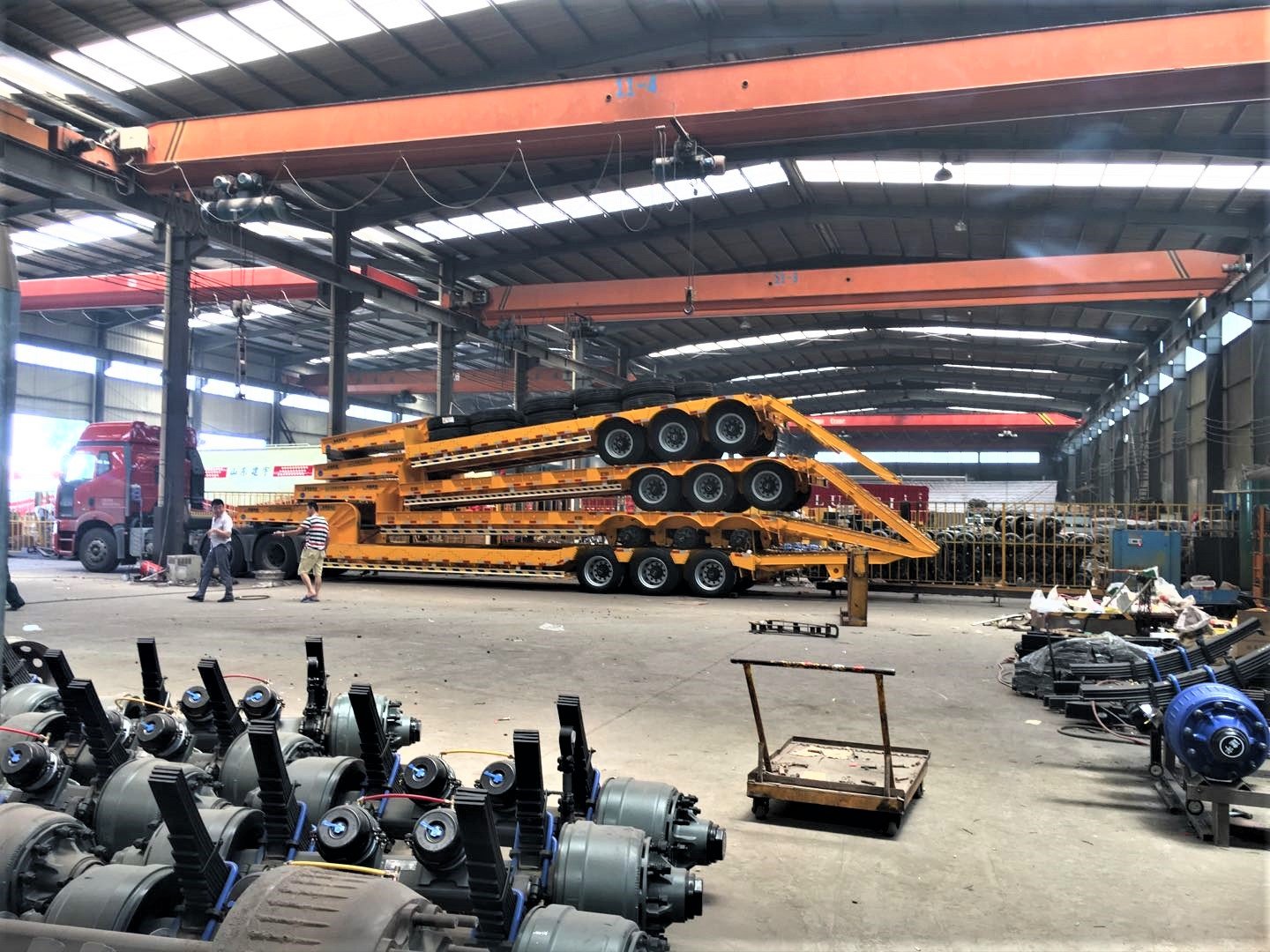
Every trailer structure utilizes precision welding and is treated with multi-layer anti-corrosion coatings to ensure durability in diverse climates. Our commitment to global manufacturing compliance is verified by our active market presence.
Global Presence Proof: Our heavy haulage technologies were recently showcased at major international events, confirming our dedication to regional safety and quality standards.


4. Safety, Compliance & Procurement
Oversized cargo transport requires stringent adherence to local and international regulations.
4.1 Navigating Heavy Haul Regulations
Operators must secure proper permits for oversized loads (often defined by height, width, and gross weight). These regulations ensure public safety and infrastructural protection. Understanding these laws is non-negotiable for fleet operation.
Further Reading on Compliance: For detailed guidelines on vehicle size and weight limitations, consult the latest international standards published by global transport authorities.
5. Essential Lowbed Procurement Checklist
Before investing in a Lowbed Trailer, fleet managers should evaluate the following points beyond the standard price quote:
5.1 Load Capacity vs. Axle Configuration
Ensure the trailer’s Gross Vehicle Weight (GVW) rating is based on the specific axle count and tire ratings required by your operating region. Over-specifying axles unnecessarily increases weight and fuel consumption, while under-specifying risks fines and structural failure.
5.2 Deck Length and Effective Loading Area
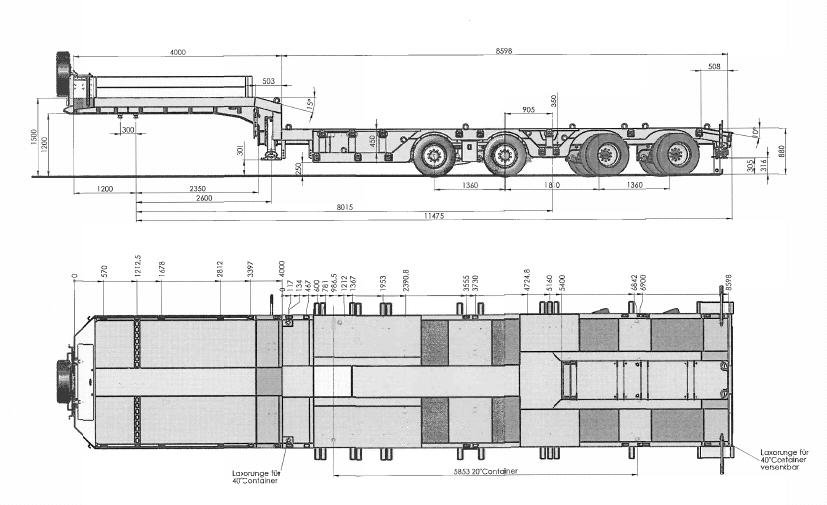
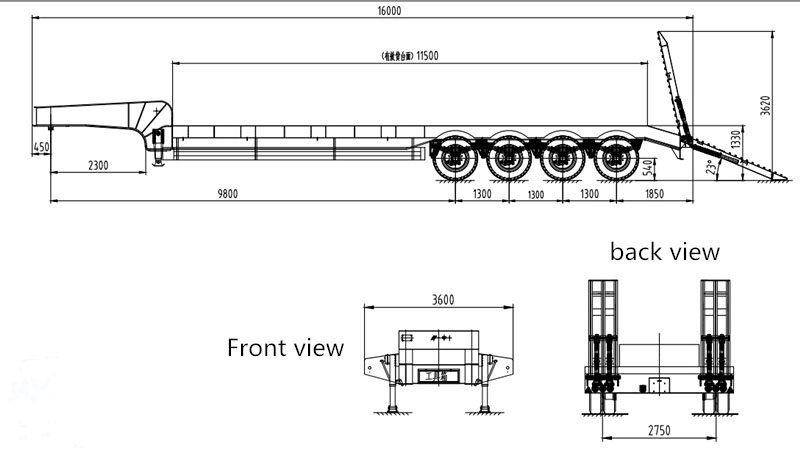
The declared deck length might include the ramps or rear axles. Focus on the effective loading area—the actual space available for the equipment body. Also, confirm if the deck width includes expandable side brackets (outriggers) for extra-wide machinery.
5.3 Tire and Suspension Selection
For extreme weight and rough terrain (common in mining or remote construction sites), opting for heavy-duty mechanical suspension systems and high-ply tires (e.g., 12.00R24) over standard air suspension provides greater robustness and puncture resistance. This is a critical factor for African and remote Asian markets.
6. Core Applications and Maintenance
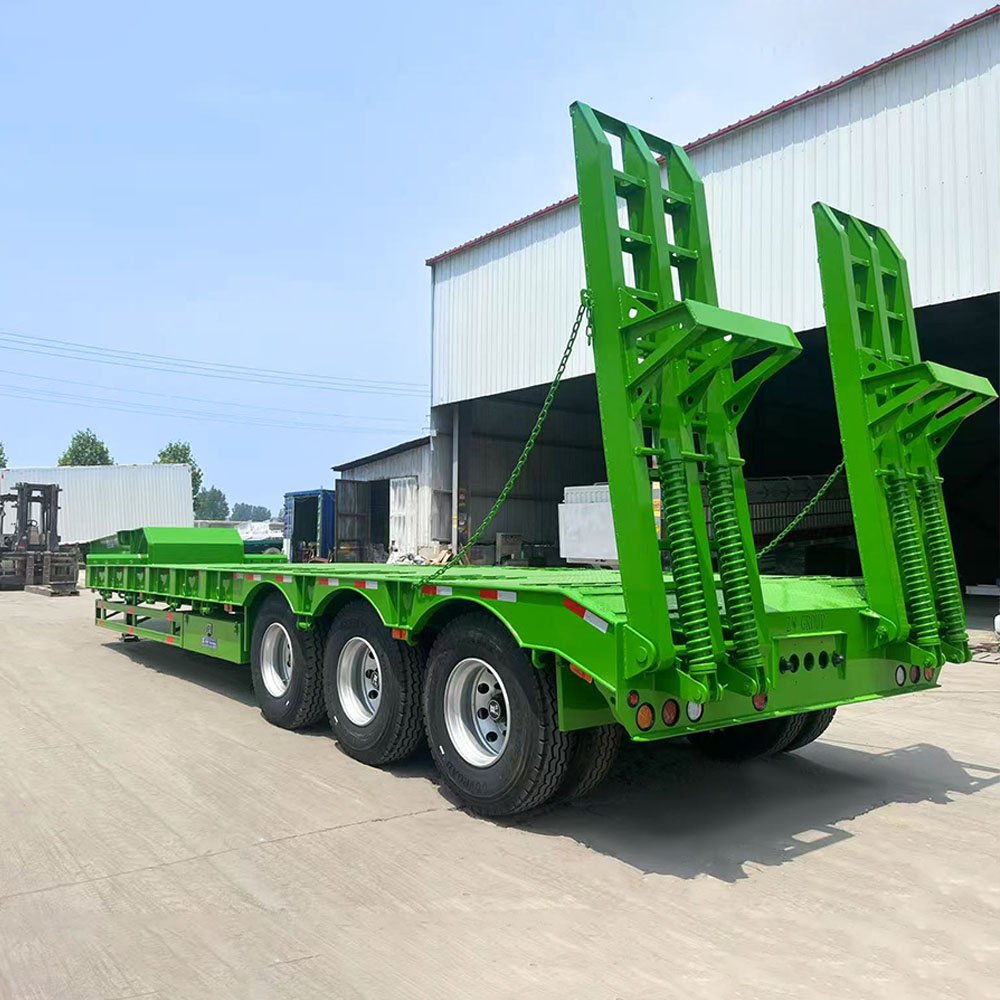
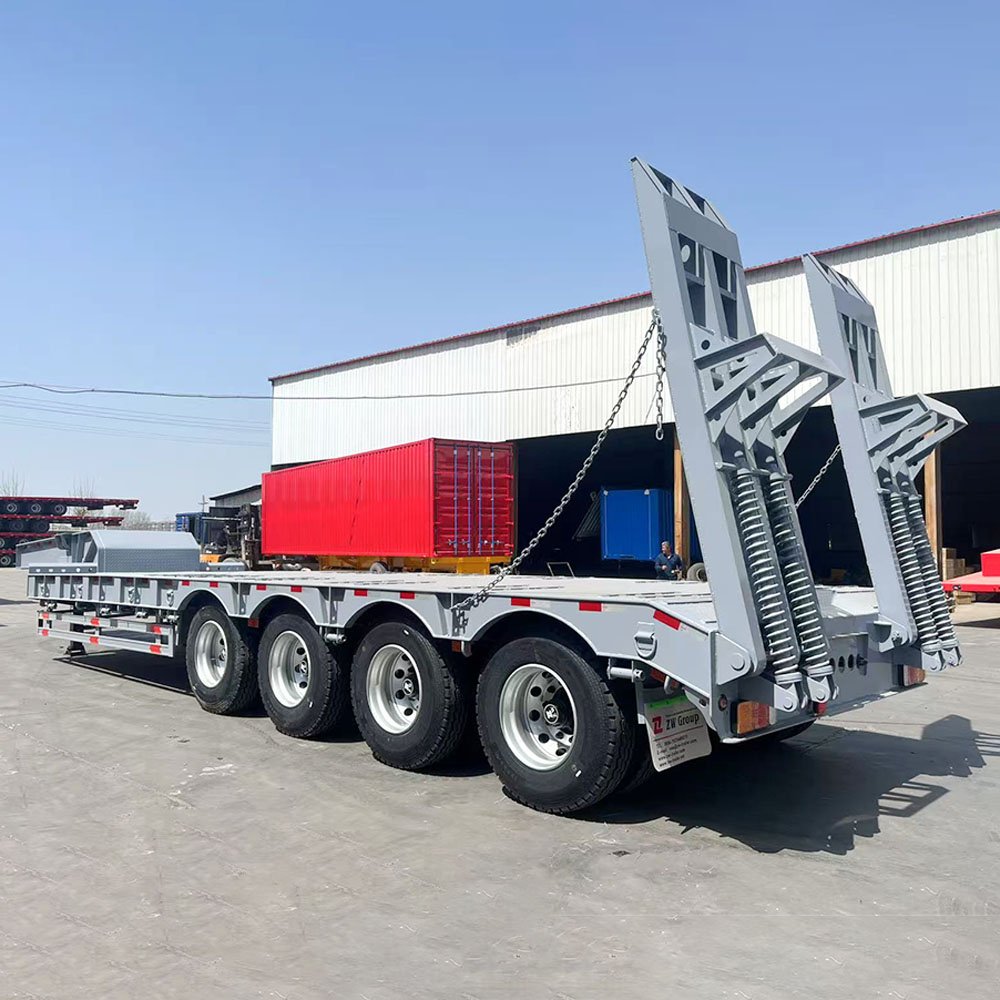
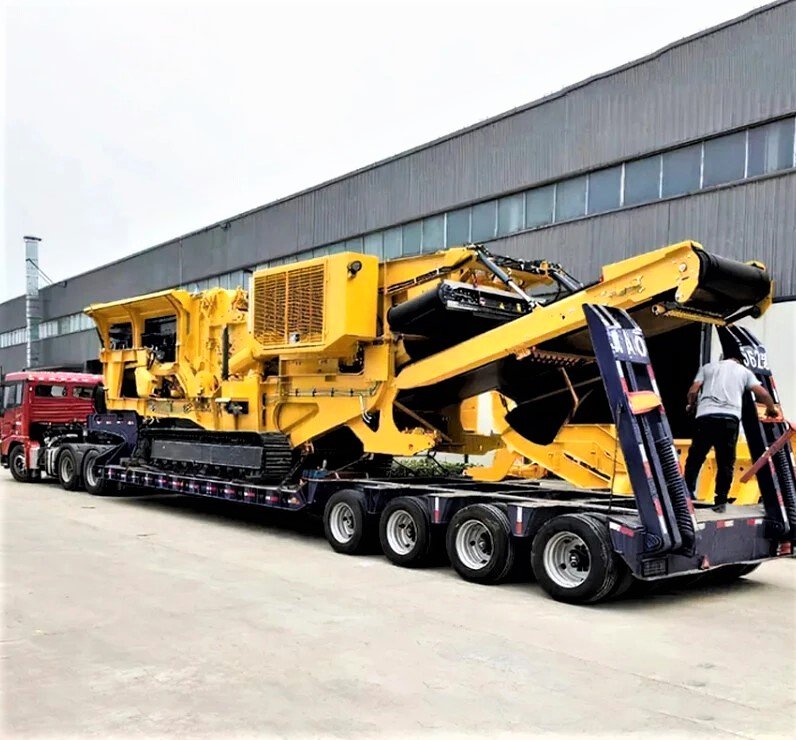
Lowbed Trailers are indispensable for construction, mining, and energy sectors, moving equipment like large excavators, bulldozers, power generators, and wind turbine components.
Maintenance: Focus must be placed on the hydraulic system (oil purity), kingpin coupling, and regular inspection of the axle suspension points due to the high stress imposed by heavy loads.
Conclusion: Customizing Your Lowbed Fleet
ZW Group offers manufacturer-direct pricing and engineering support for custom Lowbed designs, from RGN configurations to modular multi-axle solutions.
Ready to transport heavier?
Contact our engineering team today to get drawings and quotes for your heavy haulage needs.
📧Email: inquiry@zwgroup-vehicle.com
📱WhatsApp: +86-156-5031-7860
🌍 Website: zwsemitrailer.com