How to Clear China Semi-Trailers in West Africa?
ZW Group| 2026-5-28
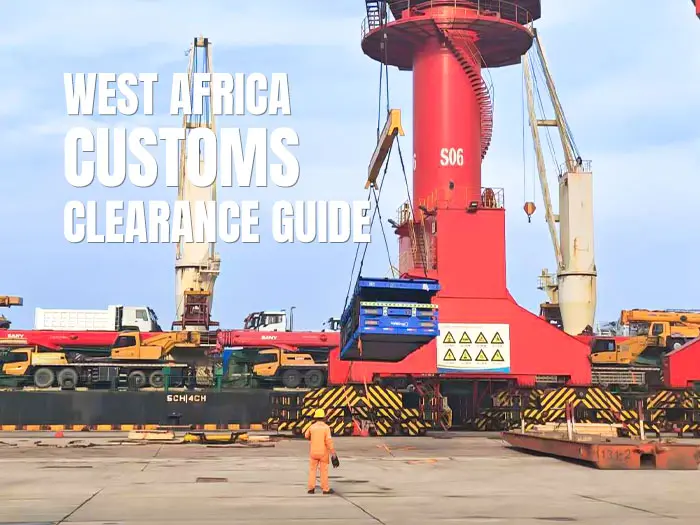
Importing semi-trailers from China to West Africa can be highly profitable for transport companies, logistics operators, mining contractors, and construction businesses. However, customs clearance remains one of the biggest challenges for buyers importing flatbed trailers, lowbed trailers, fuel tanker trailers, tipper trailers, and other heavy-duty transport equipment into African ports.
Many buyers focus only on the purchase price of the semi-trailer but underestimate the importance of customs documentation, compliance certificates, and local port procedures. In reality, delays at ports such as Tema in Ghana, Apapa in Nigeria, or Cotonou in Benin can quickly create expensive demurrage charges, storage fees, and project delays.
For this reason, understanding the customs clearance process before shipment is essential when importing Chinese semi-trailers into West Africa.
This guide explains the most important customs procedures, required documents, compliance requirements, and practical clearing tips for importing semi-trailers smoothly in 2026.
Why Many West African Buyers Import Semi-Trailers from China
Chinese semi-trailers continue gaining popularity across West Africa because they offer:
- competitive pricing
- customizable trailer configurations
- strong payload capacity
- lower operating cost
- easier spare parts support
- faster production timelines
Today, many transport companies in Ghana, Nigeria, Benin, Togo, Ivory Coast, Mali, and Senegal import Chinese:
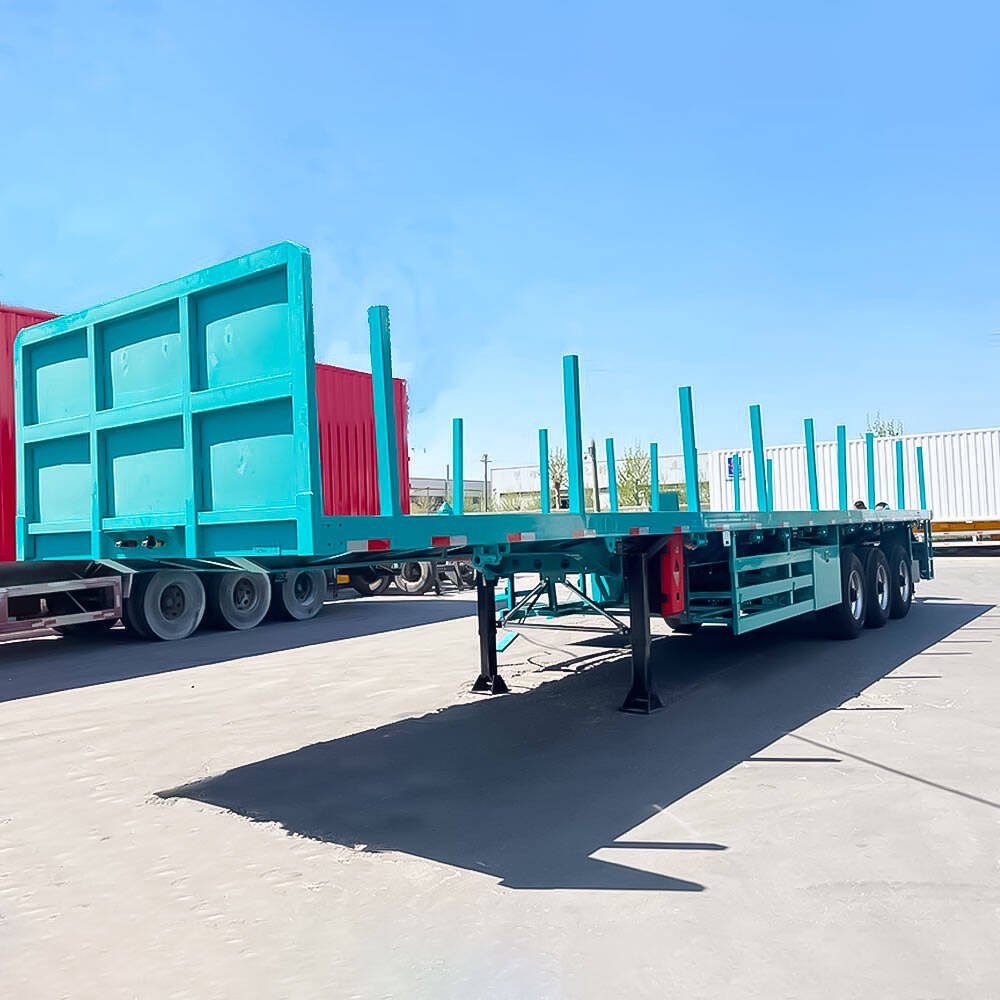
- flatbed semi trailers
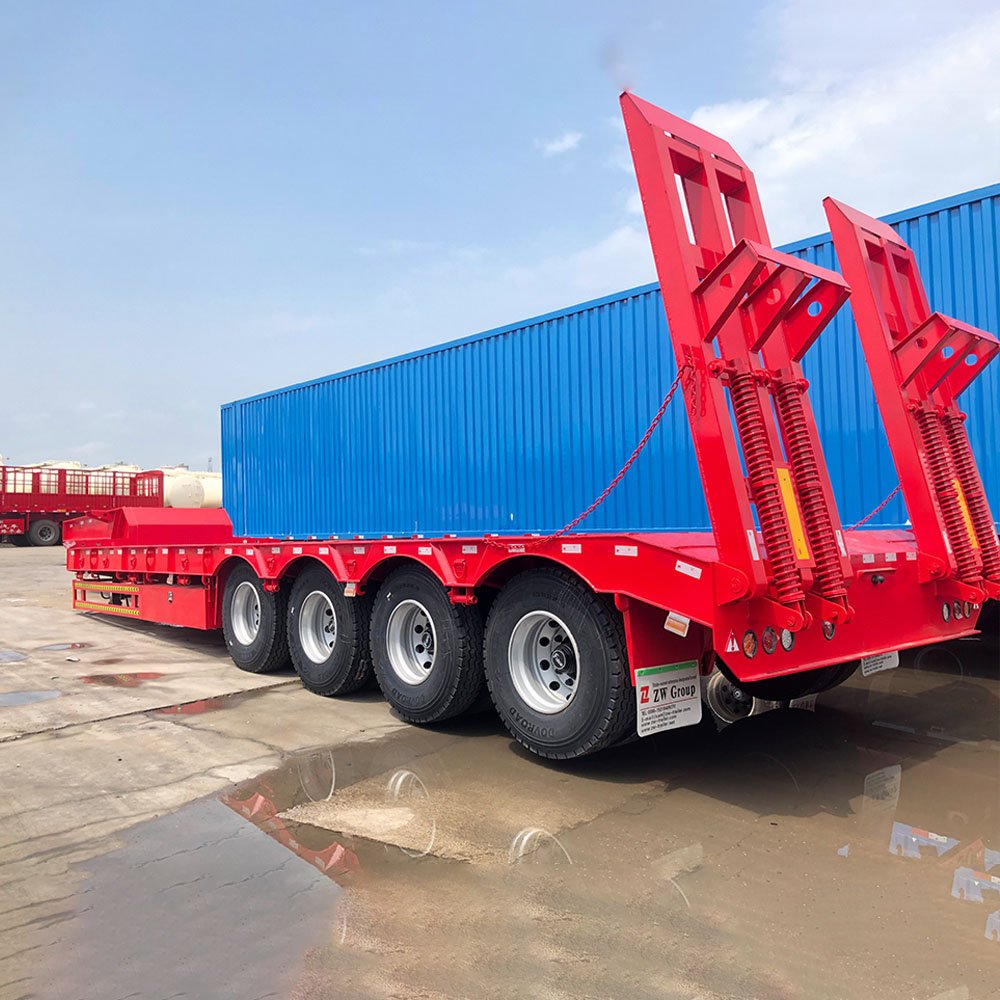
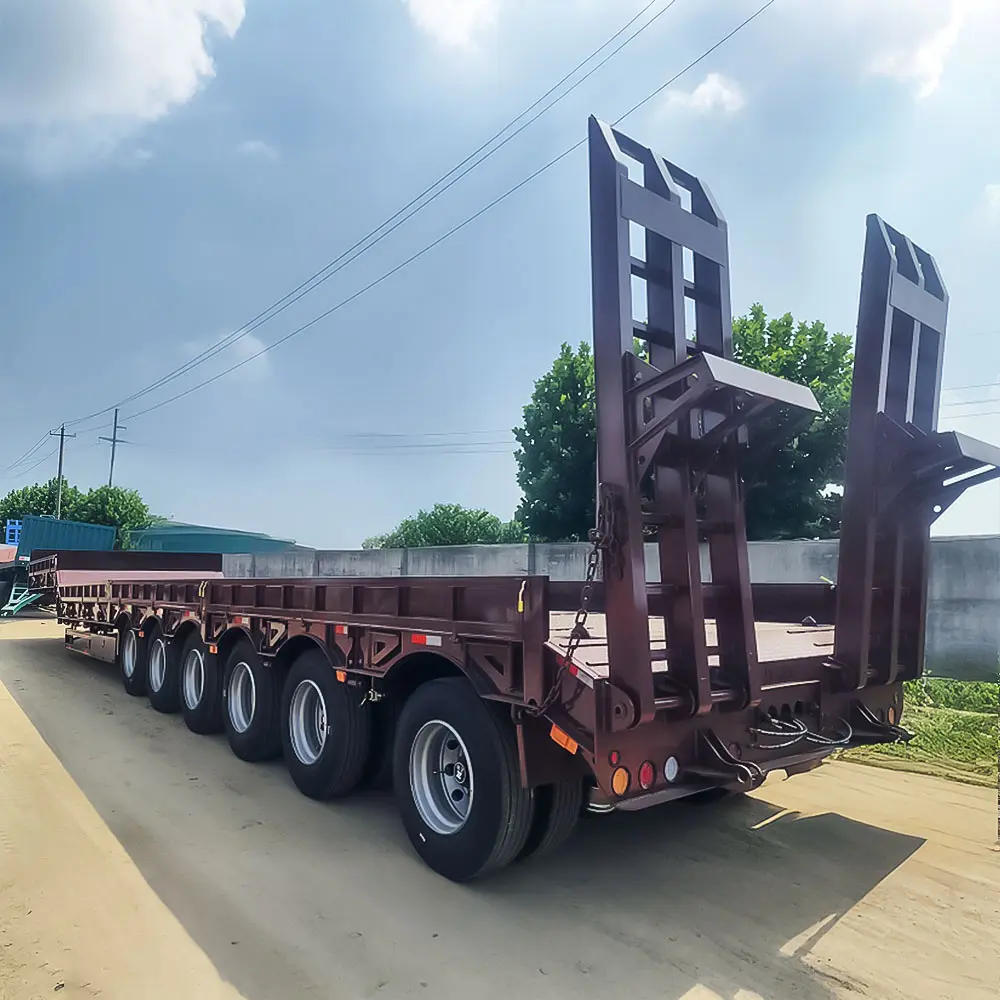
- lowbed trailers
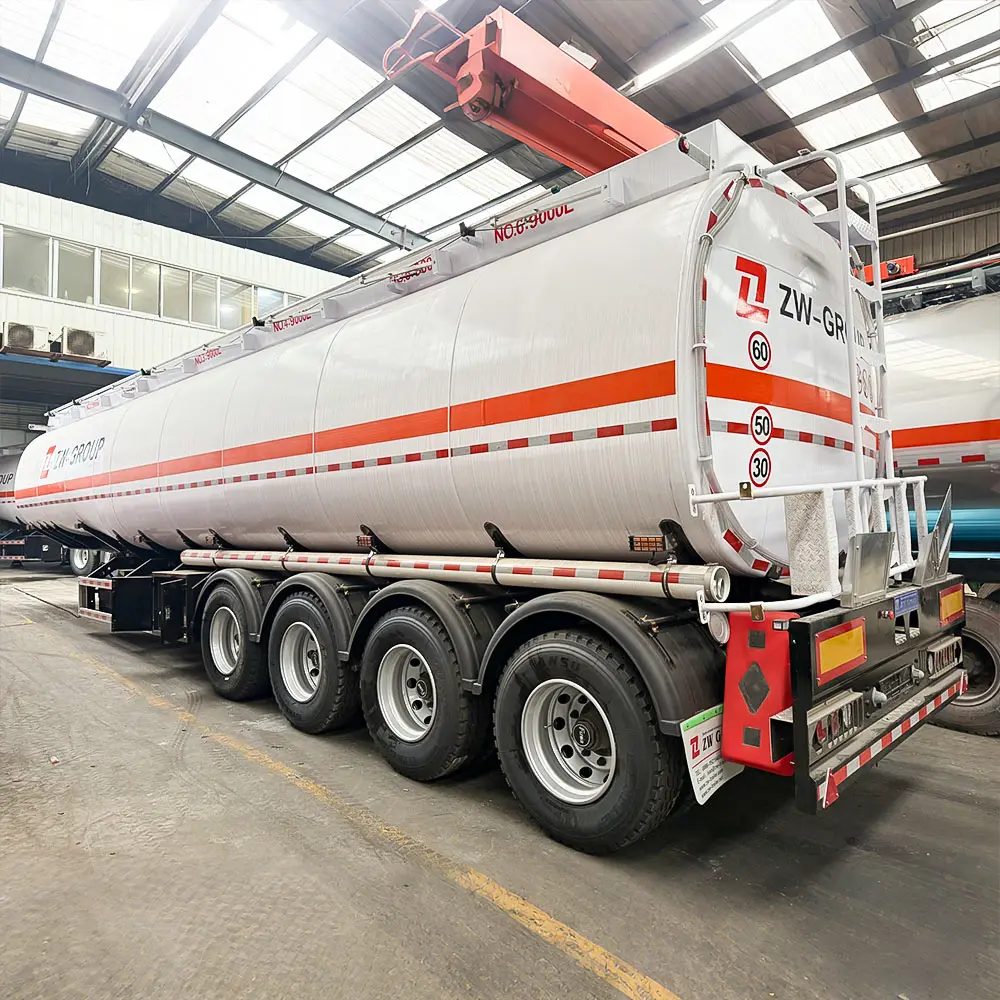
- fuel tanker trailers
- skeletal container trailers
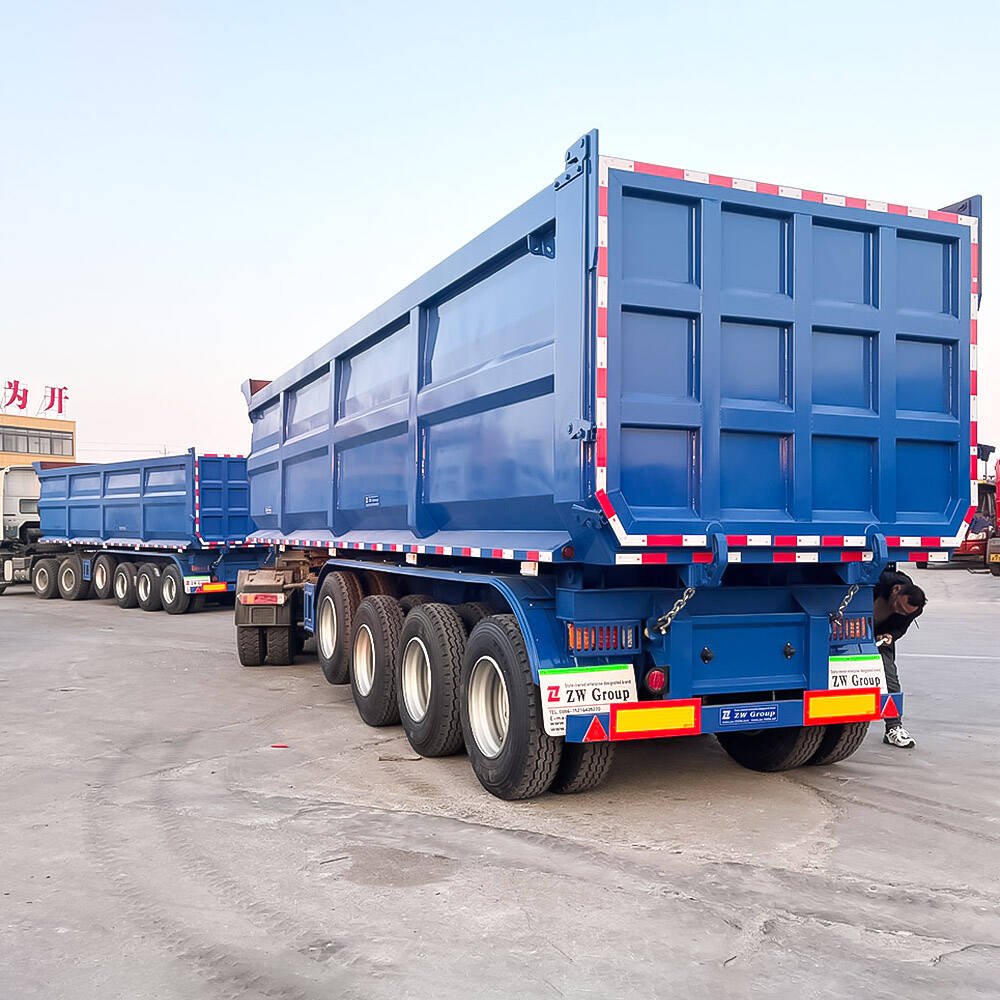
- tipper semi trailers
for mining, fuel transport, port logistics, and infrastructure projects.
However, importing commercial trailers into West Africa requires proper planning to avoid customs clearance problems.
Pre-Shipping Phase: Required Certificates and Compliance Documents
Before the vessel leaves China, buyers must ensure all country-required compliance documents are prepared correctly.
Missing certificates can result in:
- customs delays
- fines
- cargo holds
- inspection problems
- refusal of entry clearance
CTN / ECTN / BESC Requirements
Most West African countries require Electronic Cargo Tracking Notes before shipment.
Examples include:
- CTN for Ghana
- BESC for Benin
- ECTN for several Francophone African countries
These documents must usually be issued before cargo departure from China.
Incorrect cargo tracking information is one of the most common reasons for customs delays in West Africa.
SONCAP and Standards Compliance
Nigeria requires SONCAP certification for many imported industrial products and transport equipment.
Without:
- Product Certificate
- SONCAP Certificate
customs clearance in Nigeria can become extremely difficult.
Other countries may require:
- standards verification
- road-worthiness checks
- safety compliance documentation
Buyers should always confirm local regulations before shipment.
Core Customs Documents for Semi-Trailer Importation
When importing heavy-duty semi-trailers, all paperwork must match perfectly.
Incorrect trailer information can trigger customs inspection or valuation disputes.
The following documents are especially important:
| Document | Purpose | Key Requirement |
|---|---|---|
| Bill of Lading | Shipment ownership and transport details | VIN/chassis numbers must match |
| Commercial Invoice | Duty and tax calculation | Accurate trailer value and specs |
| Packing List | Cargo dimensions and weights | Correct gross and net weight |
| Certificate of Origin | Country of manufacture verification | Required for some tariff structures |
For oversized cargo such as lowbed trailers or multi-axle trailers, accurate weight and dimension information is critical for port handling approval.
Common Customs Mistakes That Delay Semi-Trailer Clearance
Many clearance problems happen because buyers overlook small technical details.
The most common issues include:
- incorrect chassis numbers
- missing BESC or CTN documents
- undervalued commercial invoices
- axle configuration mismatch
- missing safety certificates
- inconsistent trailer specifications
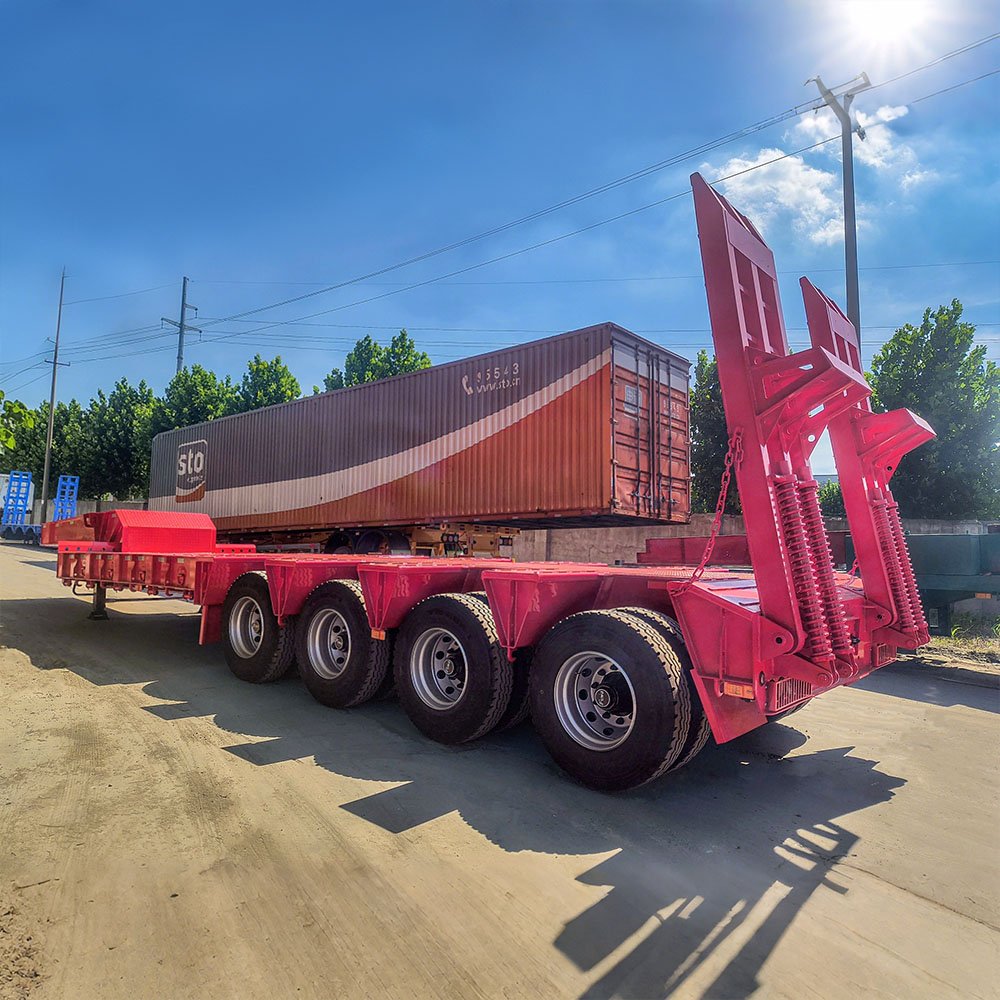
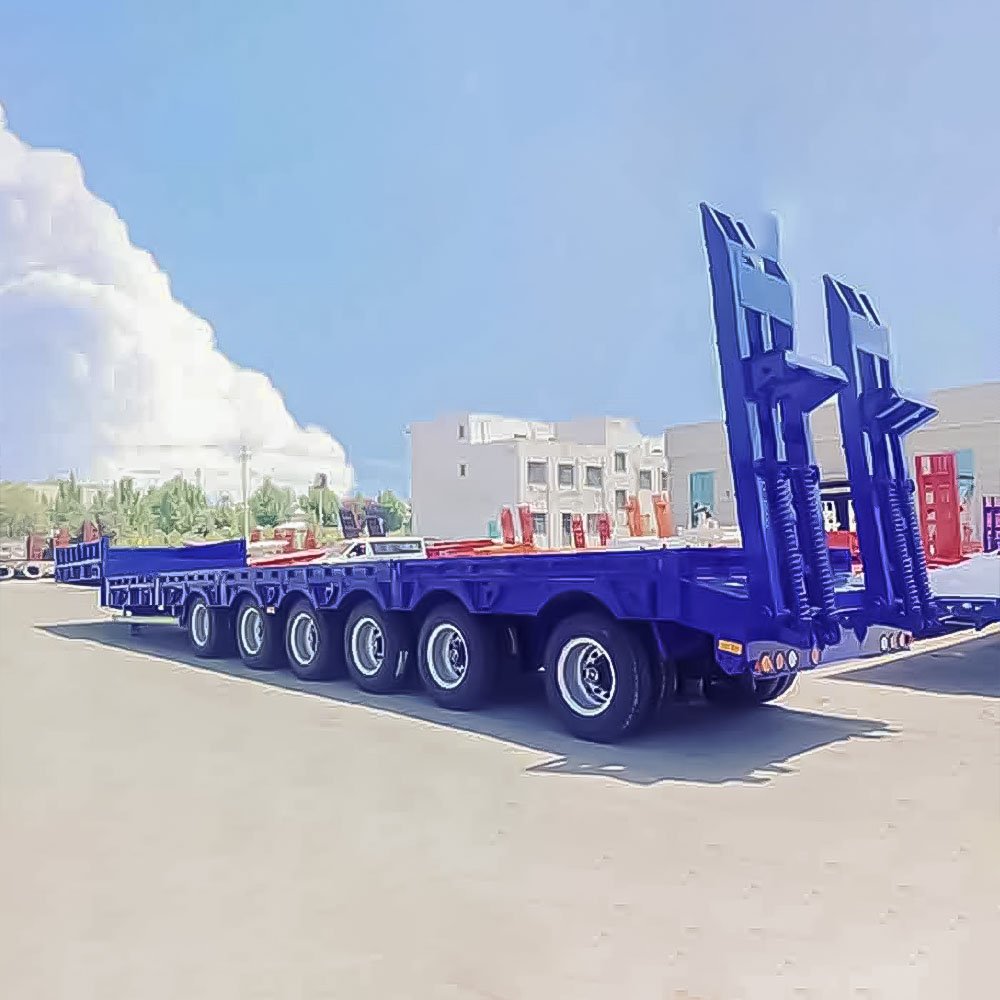
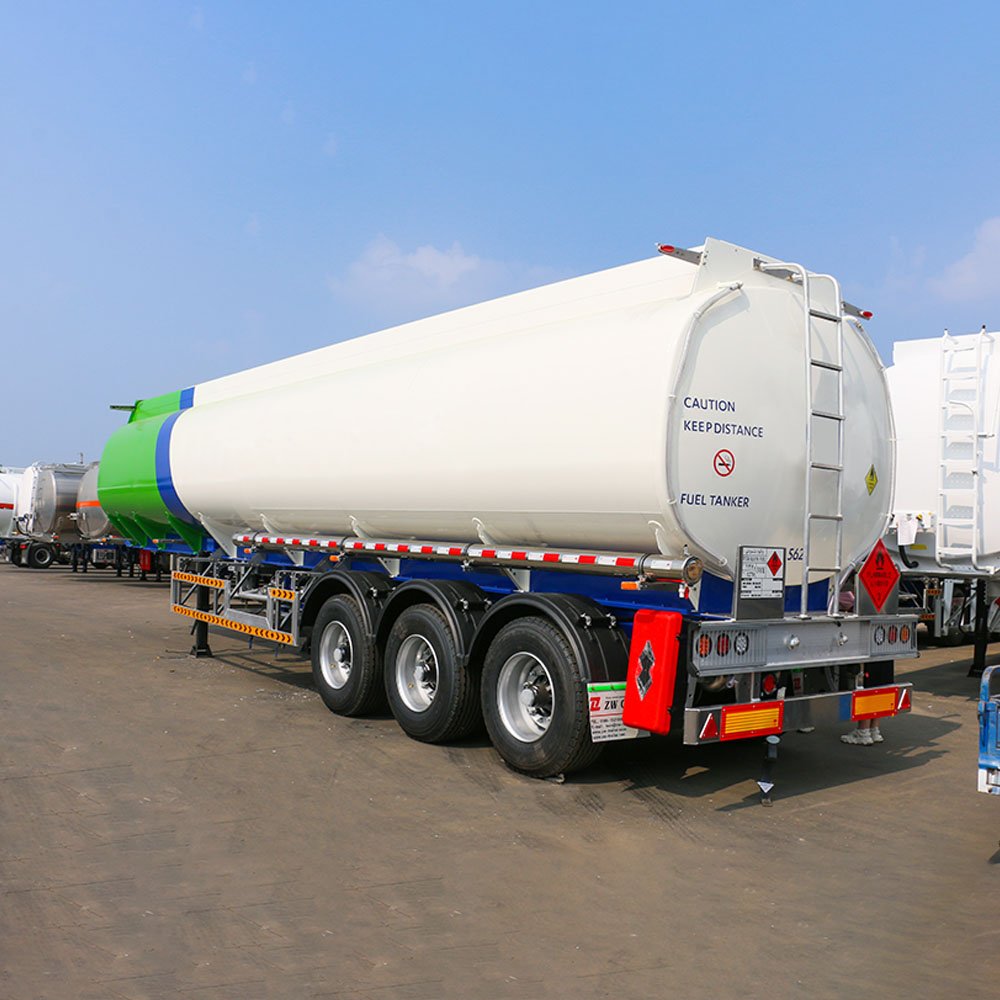
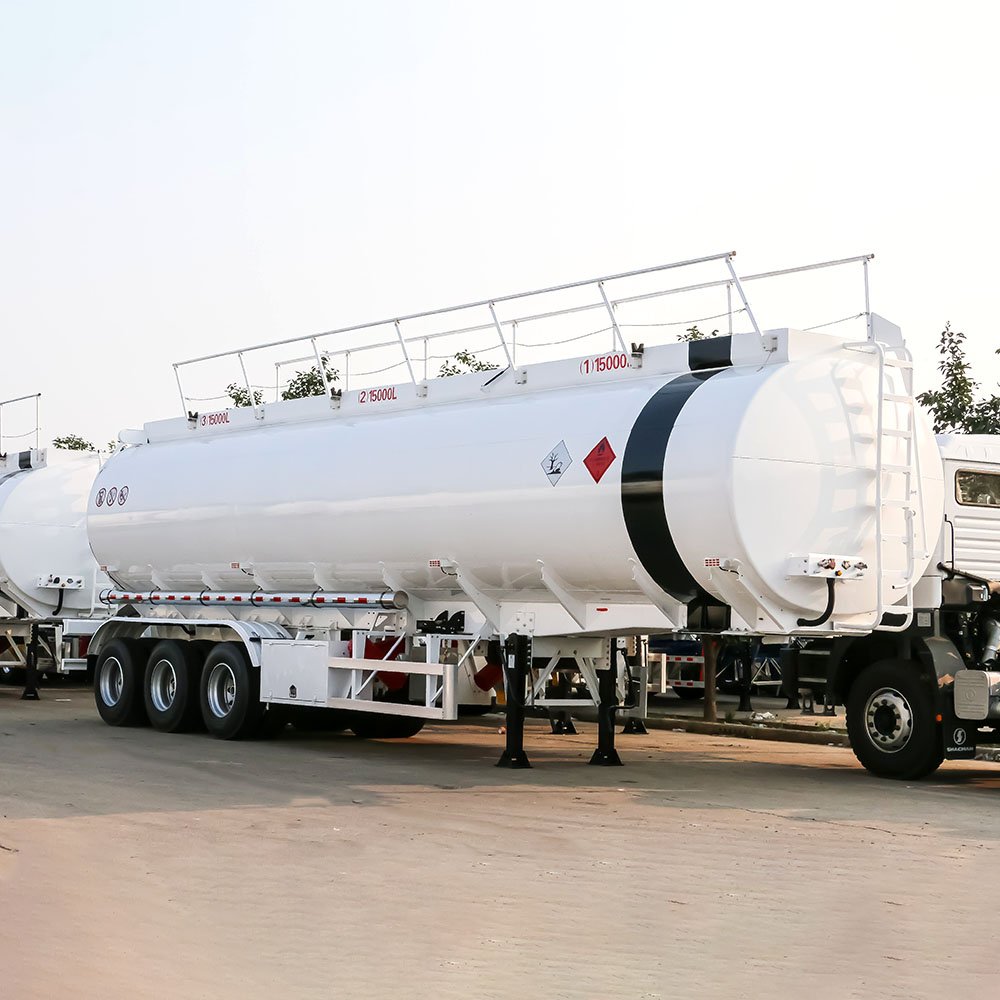
For example, if customs officers find that the trailer axle configuration does not match declared specifications, the trailer may be held for additional inspection.
This is especially common for:
- lowbed trailers
- fuel tanker trailers
- heavy-duty mining trailers
Understanding Semi-Trailer Customs Valuation in West Africa
West African customs authorities carefully monitor imported heavy-duty vehicles and semi-trailers.
Customs agencies maintain internal valuation databases for:
- flatbed trailers
- tanker trailers
- tipper trailers
- lowbed trailers
based on axle count, trailer type, and carrying capacity.
The Undervaluation Risk
Some buyers attempt to reduce import duty by declaring unrealistically low invoice prices.
However, if customs determines the declared value is too low:
- the invoice may be rejected
- higher duties may be imposed
- penalties may apply
- clearance delays may occur
In most cases, transparent and realistic pricing reduces long-term clearance risks.
ECOWAS Tariffs and Import Taxes
For ECOWAS member countries, customs systems are becoming more standardized.
However, buyers still need to budget for:
- Import Duty
- VAT
- ECOWAS levies
- port handling charges
- customs processing fees
Import duties for semi-trailers often range between 5% and 20% depending on:
- trailer classification
- local regulations
- intended commercial use
VAT rates also vary between countries.
Step-by-Step Semi-Trailer Customs Clearance Process
The standard customs process in most West African ports follows these steps:
[Vessel Arrival] → [Electronic Document Submission] → [Duty Assessment] → [Duty Payment] → [Inspection or Scanning] → [Port Release] → [Gate-Out]
Step 1: Pre-Arrival Document Submission
Modern ports such as:
- Tema Port
- Apapa Port
- Cotonou Port
use electronic customs systems.
Examples include:
- ICUMS in Ghana
- NICIS II in Nigeria
A licensed customs clearing agent should upload all shipping documents immediately after the shipping line issues the arrival notice.
Step 2: Customs Duty Assessment
Customs authorities review the electronic declaration and calculate:
- duties
- taxes
- levies
Once approved, payment should be completed quickly to avoid storage fees and demurrage charges.
Shipping lines usually provide limited free storage periods before daily penalties begin.
Step 3: Physical Inspection and Scanning
Because semi-trailers are oversized cargo, customs may require:
- physical inspection
- large-vehicle scanning
- chassis verification
Officers commonly inspect:
- VIN/chassis numbers
- axle configurations
- kingpin compatibility
- tank specifications
- pressure valves for fuel tankers
Fuel tanker trailers usually receive stricter inspection because of safety regulations.
Step 4: Final Release and Gate-Out
After inspection approval and payment of terminal handling charges, customs issues a release order.
A tractor truck can then enter the port terminal, connect the semi-trailer, and transport it out of the port.
Which Semi-Trailer Types Face More Inspection in West Africa
Some trailer categories receive stricter customs attention than others.
Fuel Tanker Trailers
Fuel tankers often require:
- tank capacity verification
- pressure valve inspection
- compartment confirmation
- safety compliance checks
Lowbed Trailers
Lowbed trailers may face:
- axle verification
- dimension inspection
- load-capacity review
especially for heavy mining or construction transport applications.
Tipper Semi-Trailers
Tipper trailers may receive additional inspection for:
- hydraulic systems
- suspension strength
- structural welding quality
because they are commonly used in mining operations.
Why Choosing an Experienced Chinese Trailer Supplier Matters
An experienced supplier can greatly reduce customs problems.
Professional exporters usually help buyers with:
- correct documentation
- VIN registration accuracy
- export compliance
- trailer specification matching
- shipping coordination
At ZW Group, we support customers across West Africa with:
- semi-trailer export documentation
- trailer customization
- port delivery coordination
- spare parts support
- mining and transport trailer solutions
This helps buyers reduce customs risks and improve delivery efficiency.
Practical Tips for Faster Customs Clearance
Work With a Professional Clearing Agent
Do not attempt to clear heavy-duty semi-trailers without local customs expertise.
An experienced broker understands:
- local port procedures
- customs systems
- inspection requirements
- duty calculation methods
Use Pre-Manifest Processing
Some ports allow document processing before vessel arrival.
This can reduce total clearance time by several days.
Confirm Regional Axle Regulations
Always verify:
- axle load compliance
- road regulations
- trailer dimensions
before shipment.
Illegal or non-compliant trailer configurations may be detained immediately.
Final Recommendation
Successfully importing Chinese semi-trailers into West Africa requires more than simply purchasing equipment.
Smooth customs clearance depends on:
- accurate documentation
- proper compliance certificates
- realistic customs valuation
- experienced clearing support
- correct trailer specifications
For transport companies, mining contractors, fuel operators, and logistics businesses, avoiding customs delays can save thousands of dollars in demurrage and project downtime.
If you are planning to import flatbed trailers, lowbed trailers, fuel tanker trailers, or tipper semi-trailers into West Africa in 2026, contact ZW Group today for professional export support, customs-ready trailer solutions, and reliable shipping assistance.