How to Choose Trucks & Fuel Tankers for Somalia?
ZW Group| 2026-8-26

Transporting fuel and heavy payloads across Somalia’s primary trade corridors presents extreme operational challenges. High ambient coastal temperatures, pervasive sand dust, and long stretches of unpaved, corrugated inland roads frequently cause standard highway equipment to fail through frame cracking, engine overheating, or liquid instability during transit.
When a major Somali transport operator sought to upgrade their fleet, the core question was not just where to buy equipment, but how to configure heavy trucks and fuel tank semi-trailers that guaranteed long-term uptime under severe African conditions.
1. Powertrain & Chassis: Why Standard Highway Specs Fall Short
Operating heavy transport in East Africa requires moving beyond factory-standard specifications. For long-distance reliability, key drivetrain and structural enhancements are non-negotiable:
High-Torque Engines with Dust Protection: Engines rated for high low-end torque paired with multi-stage oil-bath air filtration prevent fine sand from entering the combustion chamber, preserving horsepower in dusty environments.
HC16 Double-Reduction Axles: Standard single-reduction axles often suffer failure under heavy payloads on uneven terrain. Double-reduction axles offer superior ground clearance and distribute torque at the wheel ends, drastically reducing shaft strain.
Reinforced Frame Construction: High-tensile 8+8mm double-layer steel chassis design absorbs continuous flexing and twisting without localized stress cracking.
2. Fuel Tanker Engineering: Prioritizing Safety & Liquid Stability
Hauling volatile fuel over rough roads introduces significant safety hazards. Free-flowing liquid movement (sloshing) can easily compromise vehicle control on sudden curves or unpaved inclines.
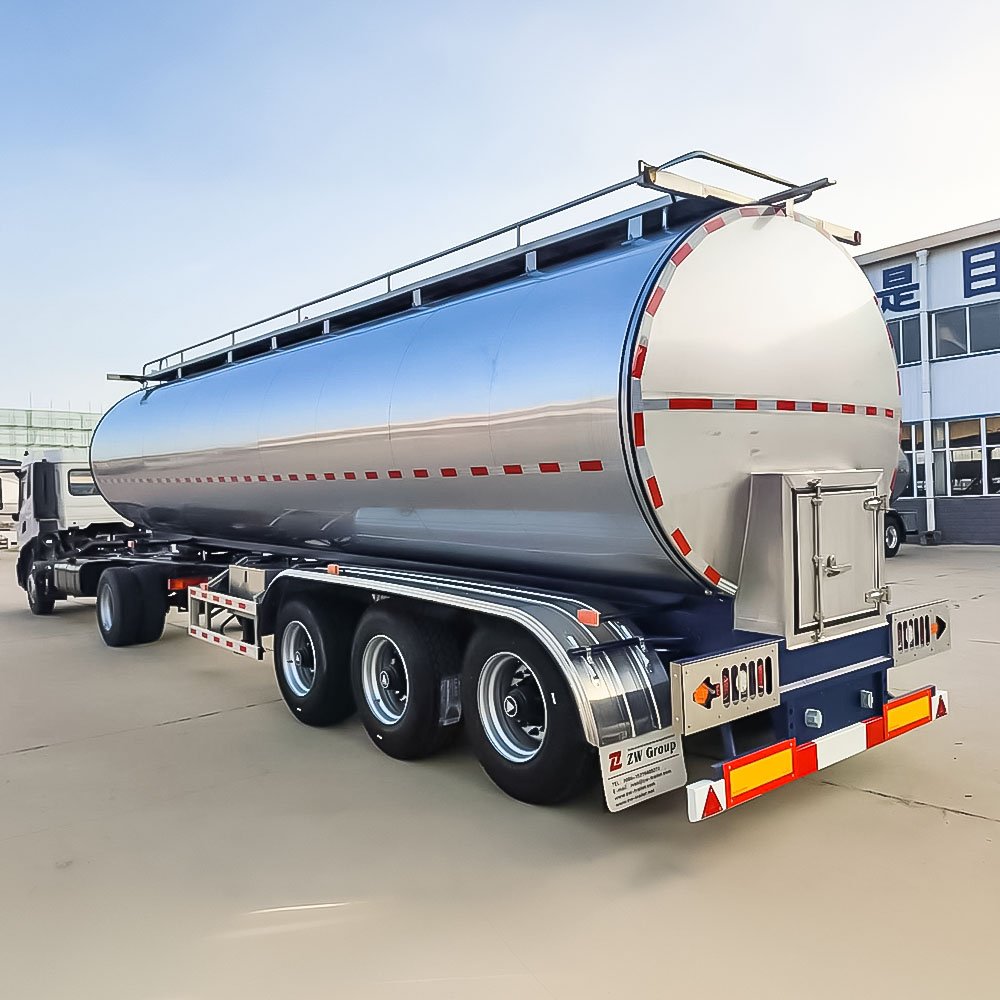
To solve this, custom fuel tank semi-trailers for the Somali region utilize:
Internal Surge Baffles: High-strength anti-wave plates welded inside the tank break up fluid momentum, keeping the trailer steady during sudden braking or rough-road driving.
Multi-Compartment Utility: Dividing the tanker allows operators to haul different fuel types (diesel, petrol) in a single trip while maintaining balanced axle load distribution.
Advanced Discharge Safety: Equipped with bottom-loading systems, emergency cut-off valves (foot valves), and anti-static grounding systems to prevent leaks and fire hazards during high-temperature unloading.

3. Verified Quality: The Factory Inspection Strategy
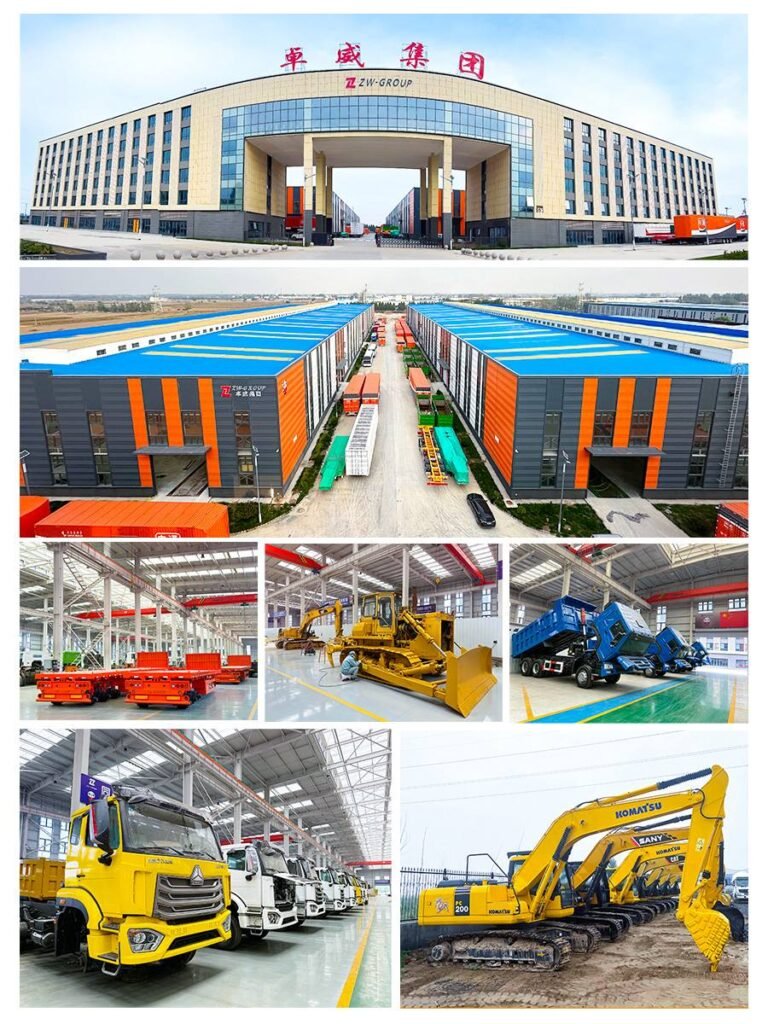
To ensure every technical requirement was met before ocean shipment, representatives from the Somali logistics firm conducted a comprehensive multi-point inspection at ZW Group’s manufacturing plant. The evaluation included pressure testing of tanker welds, hydraulic functional checks, and axle alignment reviews.
To prevent salt-air corrosion during transit to East Africa, all vehicles received heavy-duty anti-corrosion underbody wax treatment prior to seaport dispatch.
Building Fleet Reliability for East Africa
Navigating the unique logistics landscape of Somalia requires more than standard off-the-shelf machinery. By combining rugged drivetrain engineering, reinforced structural components, and strict safety compliance, transport operators can significantly reduce lifecycle maintenance costs and prevent unexpected road failure.
At ZW Group, we specialize in customizing heavy trucks, tractor units, and specialized semi-trailers tailored to the specific climate and road conditions of African markets. Contact our engineering team today to request a custom specification sheet and factory quote for your fleet.