
How Do African Fleets Choose Flatbed Trailers in 2026?
ZW Dreven| 2026-4-15

In 2026, African logistics companies are no longer selecting flatbed trailers based only on price or basic specifications. Instead, fleet operators are focusing on long-term operational performance, road adaptability, and total cost of ownership.
With increasing cargo demand, cross-border logistics expansion, and challenging road conditions across Africa, choosing the right flatbed semi trailer has become a strategic business decision rather than a simple purchase.
This guide explains how professional fleet operators evaluate flatbed trailers in real operating conditions and what factors truly determine long-term success.
Why Trailer Selection Matters More in 2026
African transport networks are becoming more complex due to:
- Growing cross-border trade
- Mixed road infrastructure (highway + gravel + rural access roads)
- Increasing fuel and maintenance costs
- Higher demand for delivery efficiency and uptime
Because of these conditions, a poorly selected trailer can lead to:
- Frequent breakdowns
- High maintenance costs
- Delivery delays
- Reduced fleet profitability
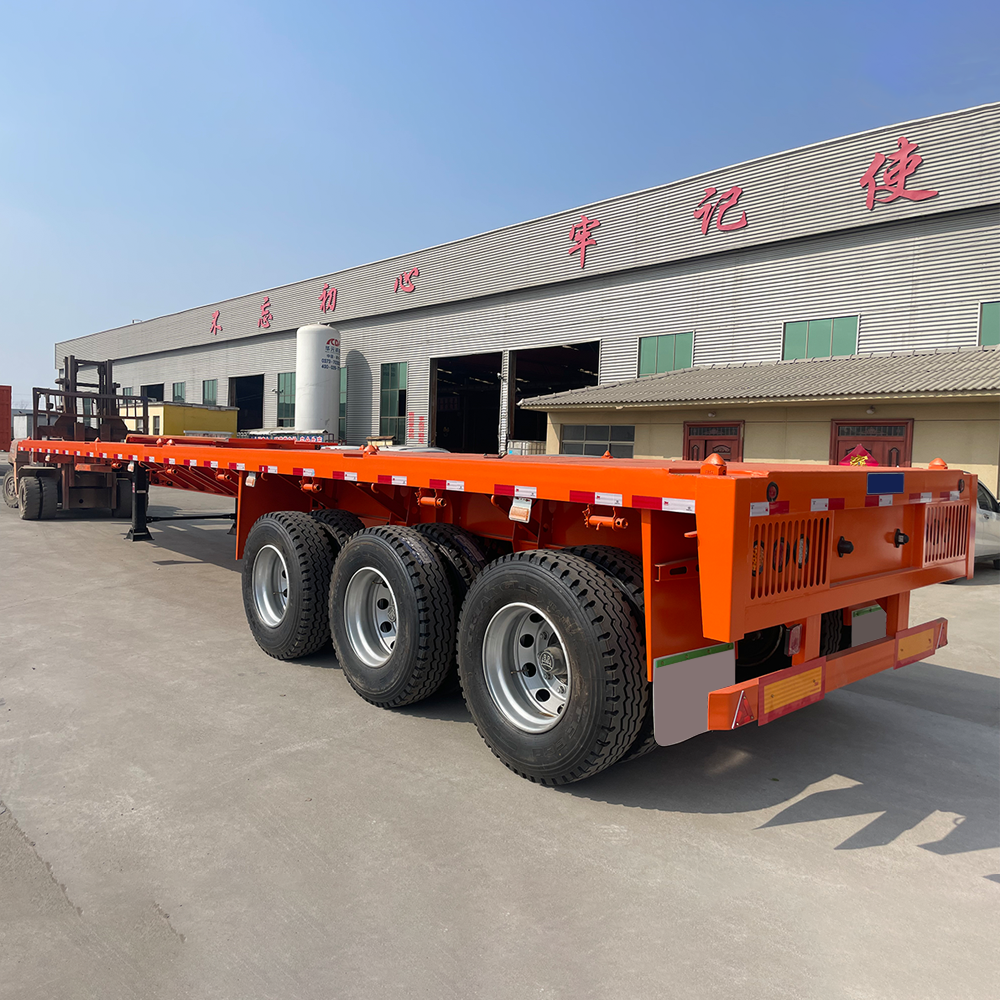
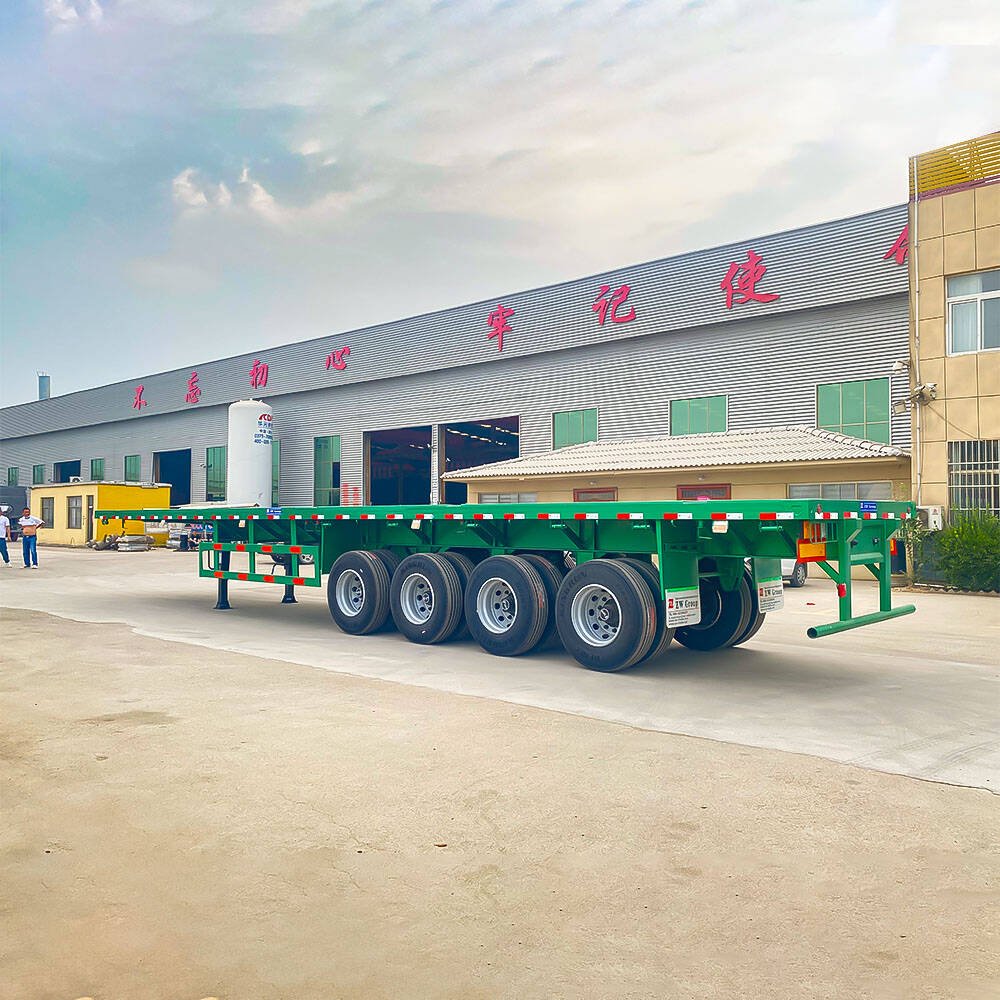
Key Factors African Fleets Use to Choose Flatbed Trailers
1. Road Condition Compatibility
Fleet operators first evaluate where the trailer will operate:
- Highway transport
- Rural and unpaved roads
- Construction and industrial zones
A trailer must be structurally stable across all conditions, not just smooth roads.
2. Cargo Type and Flexibility
Flatbed trailers are commonly used for:
- Steel and construction materials
- Machinery and equipment
- Palletized goods
- General logistics cargo
A good trailer must support multiple cargo types without requiring constant modification.
3. Structural Durability
Durability is a key decision factor in Africa due to heavy usage and rough road conditions.
Buyers typically evaluate:
- Frame strength and welding quality
- Load distribution performance
- Resistance to fatigue over time
4. Maintenance and Service Access
One of the most important but often overlooked factors is maintenance accessibility.
Fleet operators consider:
- Spare parts availability
- Local workshop compatibility
- Service interval frequency
- Repair complexity
A trailer with difficult maintenance will increase downtime and operating costs.
5. Total Cost of Ownership (TCO)
Instead of focusing only on purchase price, fleets now calculate:
- Fuel efficiency impact
- Tire wear rate
- Maintenance frequency
- Downtime cost
A lower-cost trailer may become more expensive over 2–3 years if operating costs are high.
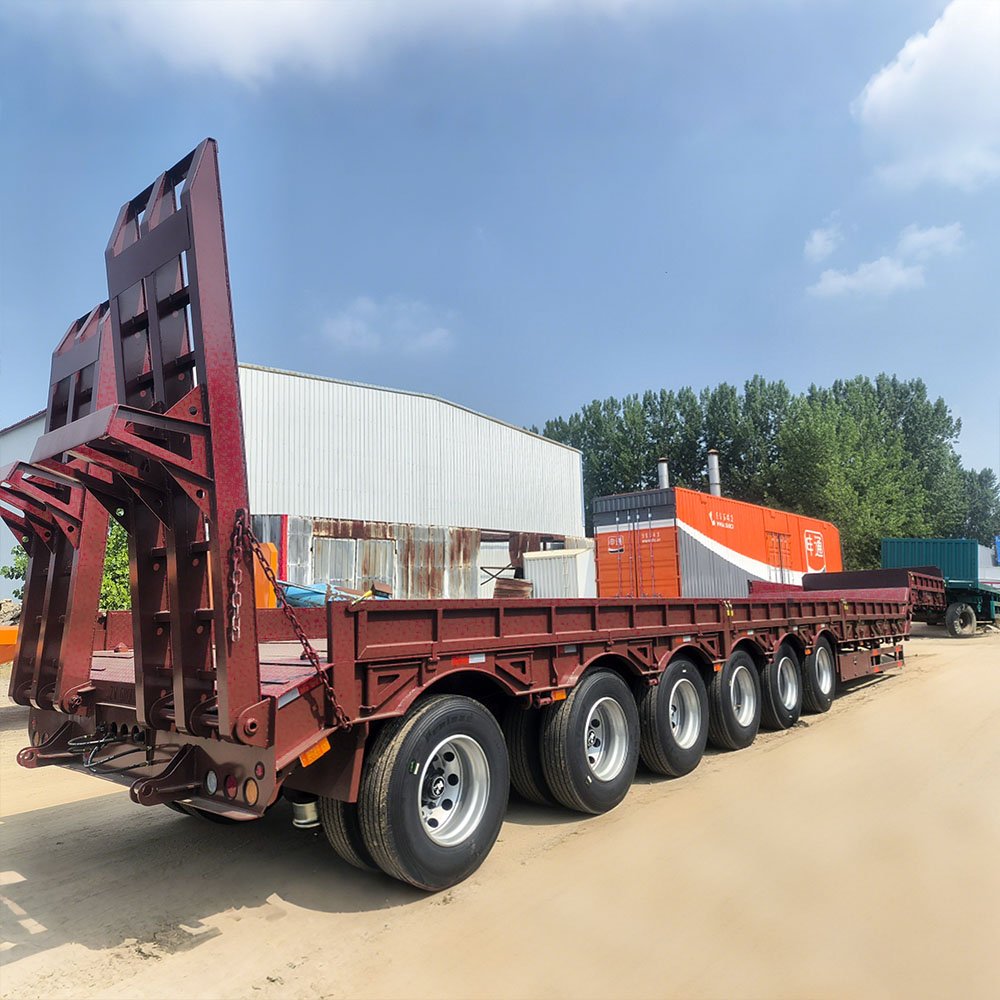
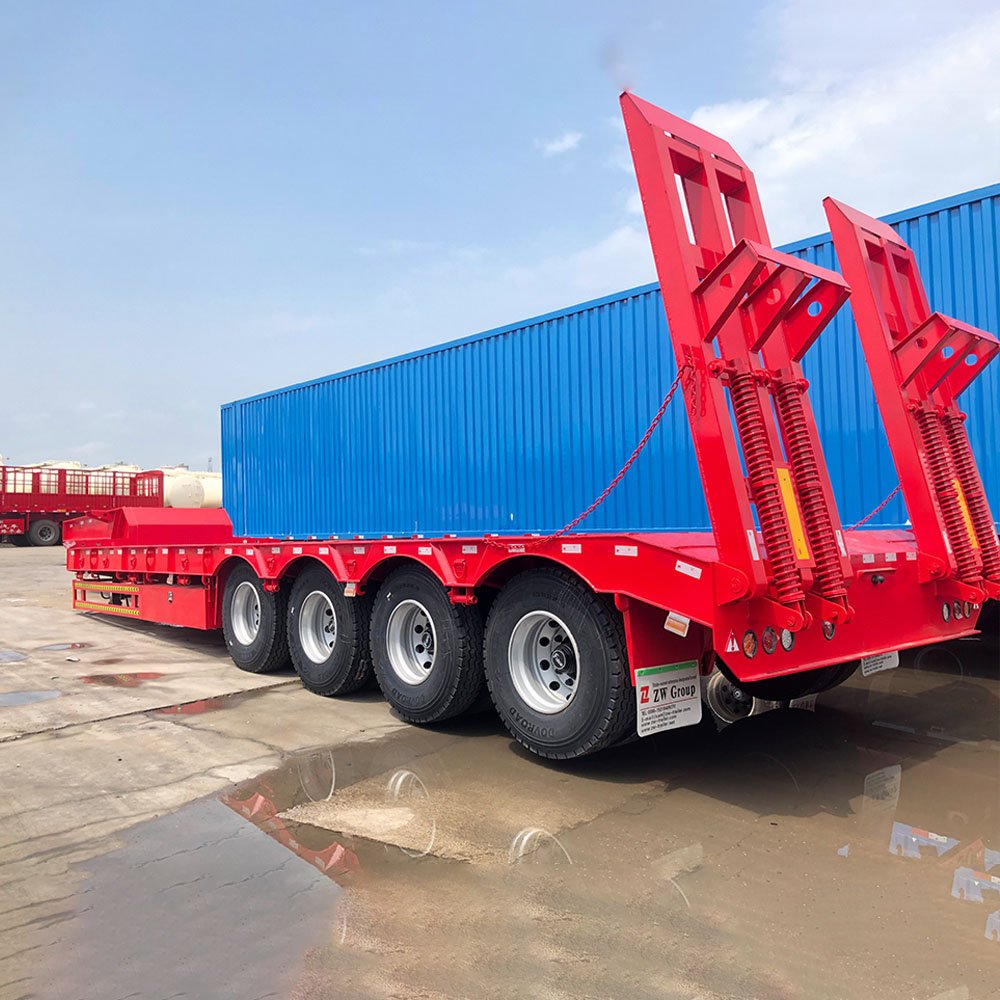
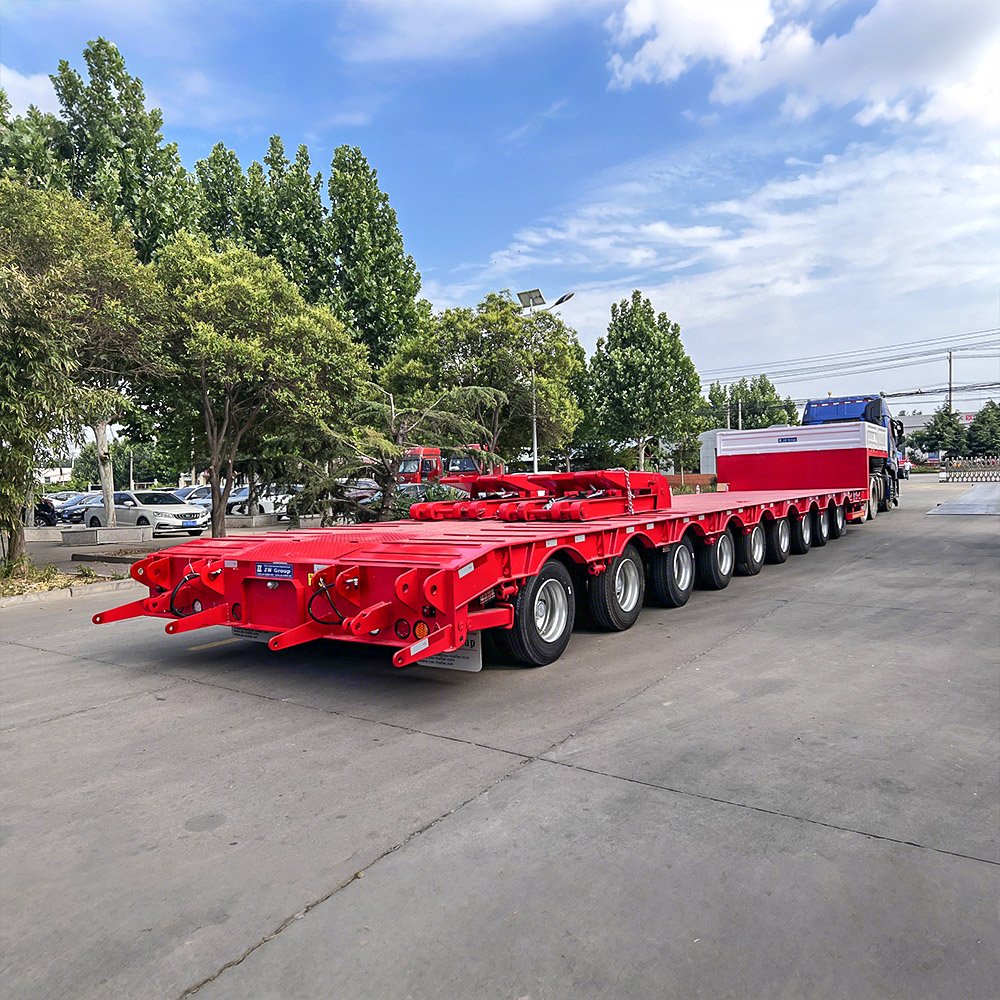
Flatbed vs Lowbed in Fleet Planning
| Factor | Flatbed Trailer | Lowbed Trailer |
|---|---|---|
| Cargo Type | General freight | Heavy machinery |
| Flexibility | High | Limited |
| Usage Frequency | Daily logistics | Project-based |
| Fleet Role | Core transport asset | Specialized support |
Most African fleets rely on flatbed trailers as their primary logistics asset.
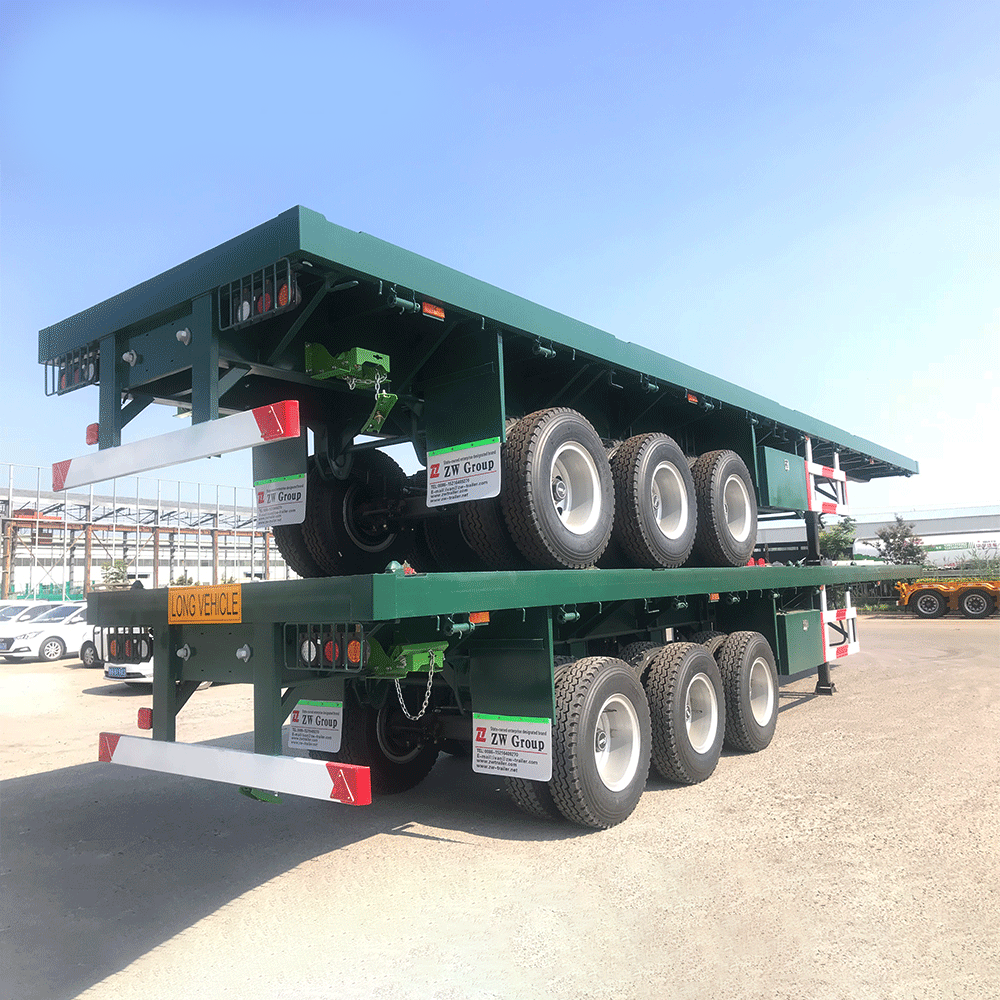
Common Mistakes When Choosing Flatbed Trailers
Many transport companies face operational issues due to poor procurement decisions:
1. Choosing based only on price
Low purchase cost often leads to higher long-term maintenance expenses.
2. Ignoring road conditions
Trailers designed for highways may fail under mixed African terrain.
3. Underestimating maintenance environment
Without local support and spare parts, downtime increases significantly.
Professional Fleet Selection Checklist
Before purchasing a flatbed trailer, experienced operators evaluate:
- Cargo type and weight range
- Monthly route structure
- Road condition ratio
- Maintenance capability in local market
- Expected utilization rate
This ensures the trailer matches real operational requirements.
Market Trend in African Trailer Procurement (2026)
In 2026, procurement trends show that African fleets are shifting toward:
- More durable frame structures
- Standardized maintenance systems
- Flexible multi-cargo trailers
- Lower lifecycle cost optimization
The focus is moving from “buying equipment” to “building efficient transport systems.”
Conclusion
African fleet operators in 2026 are making more strategic decisions when selecting flatbed semi trailers. The key is no longer just price comparison, but long-term performance, durability, and operational efficiency.
A well-selected flatbed trailer helps fleets:
- Improve utilization rate
- Reduce downtime
- Lower total operating cost
- Increase delivery reliability

Get a Customized Flatbed Trailer Solution
If you are planning to purchase flatbed semi trailers for your fleet, we can help you evaluate:
- Route conditions
- Cargo requirements
- Trailer configuration options
- Total cost analysis
👉 Contact us with your transport details to receive a tailored quotation within 24 hours.