
How Many Axles Does a Semi-Trailer Need?
ZW Group| 2026-9-3
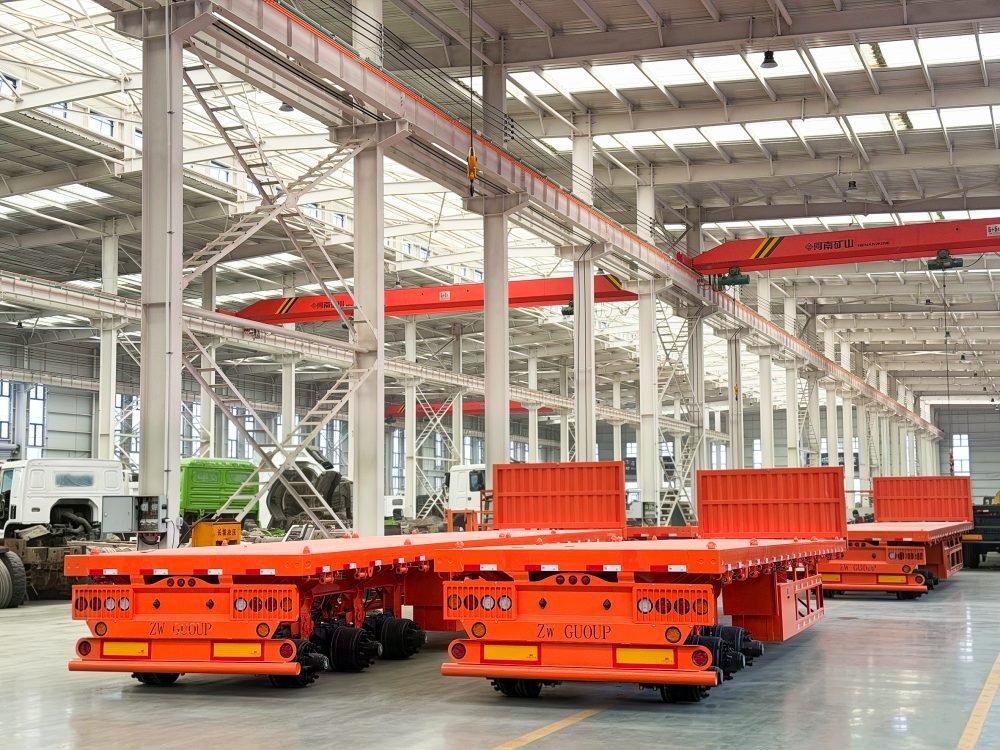
Choosing the right axle configuration is one of the most important decisions when purchasing a semi-trailer. The number of axles affects more than just payload capacity. It also influences load distribution, stability, tire wear, maintenance costs, maneuverability, and compliance with local road regulations.
For general cargo transportation, a 2-axle trailer may be sufficient. For many logistics and construction applications, a 3-axle semi-trailer provides a practical balance between capacity and operating cost. For heavy-duty transportation, a 4-axle or multi-axle trailer may be the better choice.
So, how many axles does a semi-trailer need?
The answer depends on the cargo, total weight, road conditions, tractor configuration, and local axle-load regulations.
What Does the Number of Semi-Trailer Axles Mean?
The axle configuration refers to the number of axles installed underneath the trailer.
Common configurations include:
- 2-axle semi-trailers
- 3-axle semi-trailers
- 4-axle semi-trailers
- Multi-axle trailers for special heavy-haul applications
Adding axles generally allows the trailer to distribute a greater load across more contact points. However, more axles do not automatically mean a better trailer.
A trailer should be designed around the actual transportation requirements, rather than simply using the maximum possible number of axles.
2-Axle Semi-Trailer
A 2-axle semi-trailer is suitable for applications where the required payload is moderate and minimizing trailer weight and operating costs is important.
Typical Applications
2-axle trailers can be used for:
- General cargo transportation
- Medium-duty logistics
- Agricultural products
- Construction materials
- Regional transportation
- Container and cargo transportation
Advantages of 2 Axles
A 2-axle configuration can provide:
- Lower trailer tare weight
- Lower tire costs
- Lower maintenance requirements
- Good maneuverability
- Lower operating costs
For buyers who do not need very high payload capacity, a 2-axle configuration can be a cost-effective solution.
However, the appropriate configuration must always be checked against local regulations and the actual gross vehicle weight.


3-Axle Semi-Trailer
For many commercial transportation applications, the 3-axle semi-trailer is one of the most practical configurations.
It provides a good balance between payload capacity, stability, cost, and road performance.
Typical Applications
3-axle trailers are widely used for:
- General cargo
- Container transportation
- Fuel transportation
- Bulk cement transportation
- Construction materials
- Mining logistics
- Heavy equipment transportation
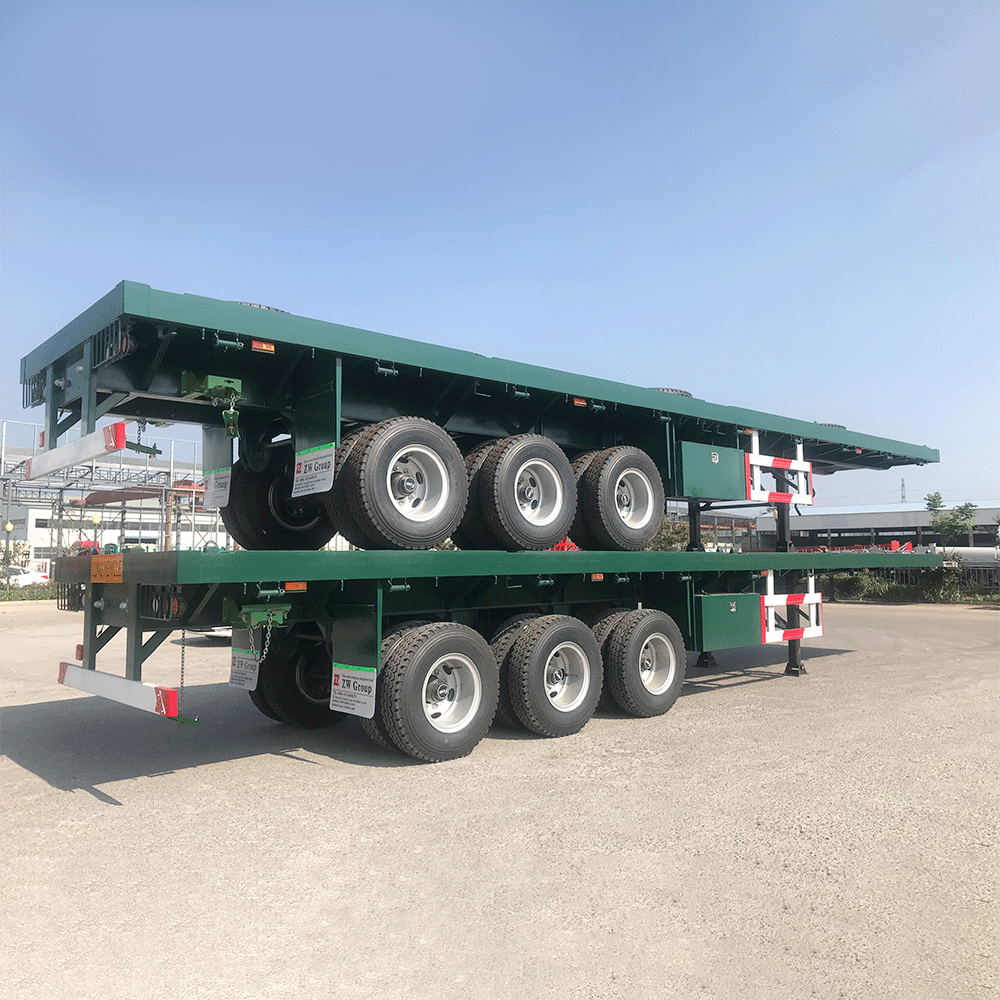
For example, a 3-axle flatbed semi-trailer can be used to transport containers, steel products, machinery, and other heavy cargo.
A 3-axle configuration is also common on tanker trailers because multiple axles help distribute the load more evenly across the trailer.
Why Choose 3 Axles?
Compared with a 2-axle trailer, a 3-axle configuration generally offers:
- Higher load-distribution capability
- Better stability under heavier loads
- Greater flexibility for commercial transportation
- A practical balance between payload and operating cost
For many logistics fleets, 3 axles can be a good middle-ground option when the operation requires more capacity than a 2-axle trailer but does not require a specialized multi-axle heavy-haul trailer.
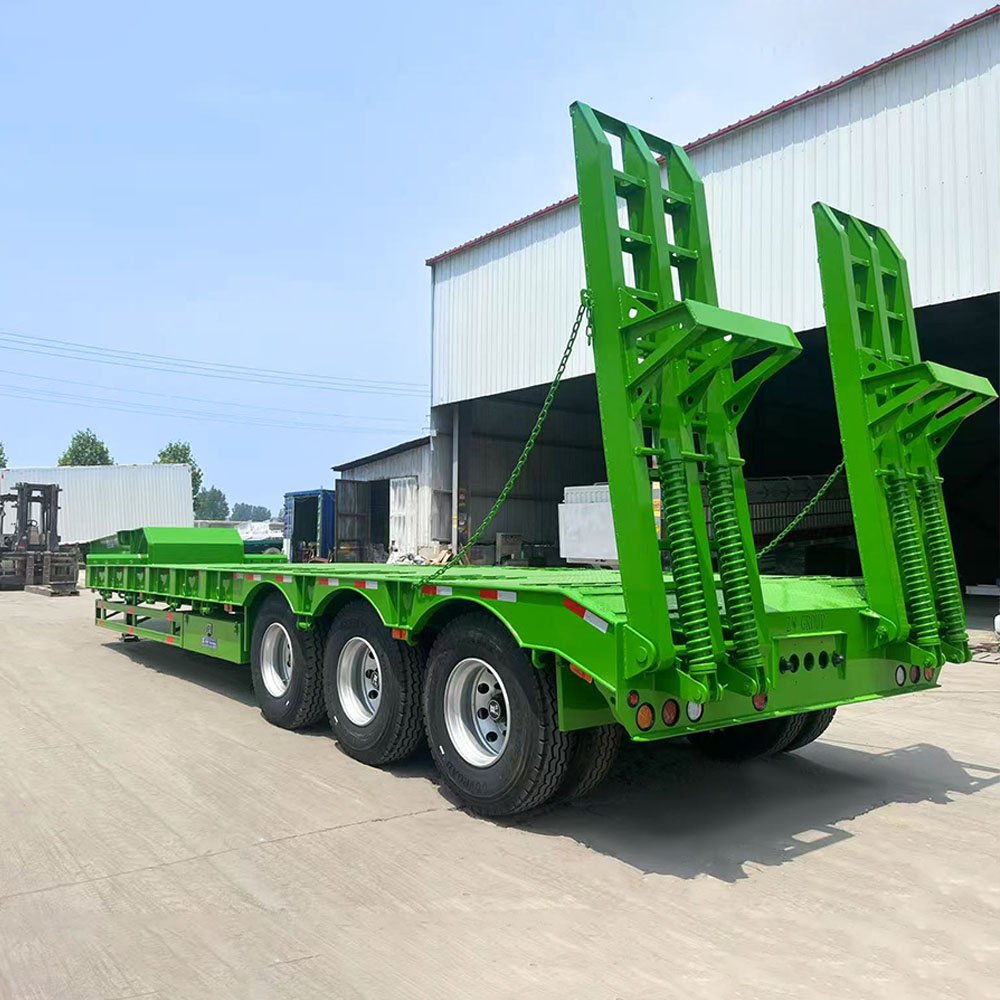
4-Axle Semi-Trailer
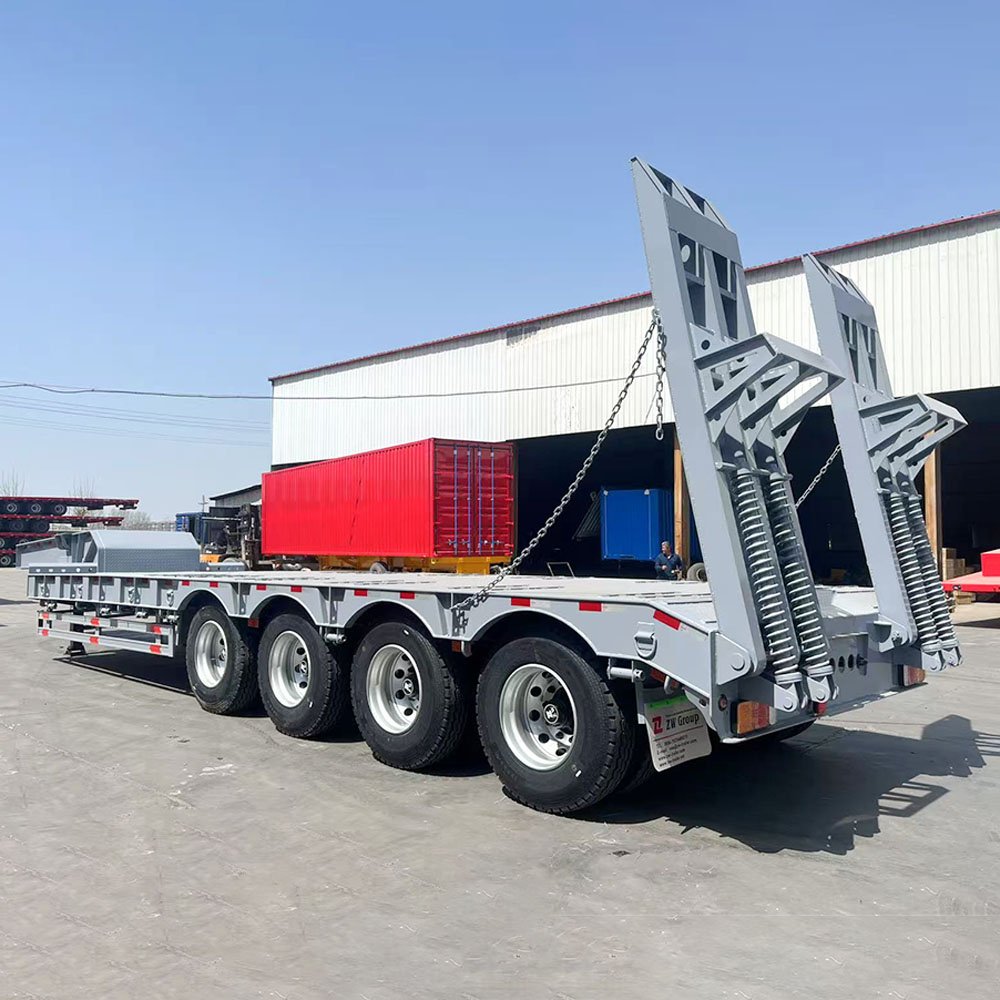
A 4-axle semi-trailer is designed for applications where higher load distribution and greater carrying capacity are required.
It is particularly suitable for demanding construction, mining, and heavy cargo transportation.
Typical Applications
4-axle trailers may be used for:
- Heavy construction equipment
- Steel products
- Mining equipment
- Large machinery
- Heavy building materials
- High-payload logistics
- Specialized transportation
Compared with fewer-axle configurations, four axles can distribute the load across a larger number of axle positions.
This can improve stability and help accommodate heavier cargo, provided that the complete vehicle configuration complies with applicable regulations.
What Are the Trade-Offs?
A 4-axle trailer can offer greater load capacity, but it also comes with additional costs.
These may include:
- Higher purchase cost
- More tires
- More suspension and axle components
- Higher maintenance requirements
- Greater tare weight
- Potentially higher operating costs
Therefore, a 4-axle trailer should be selected when its additional capacity and load-distribution advantages are actually needed.
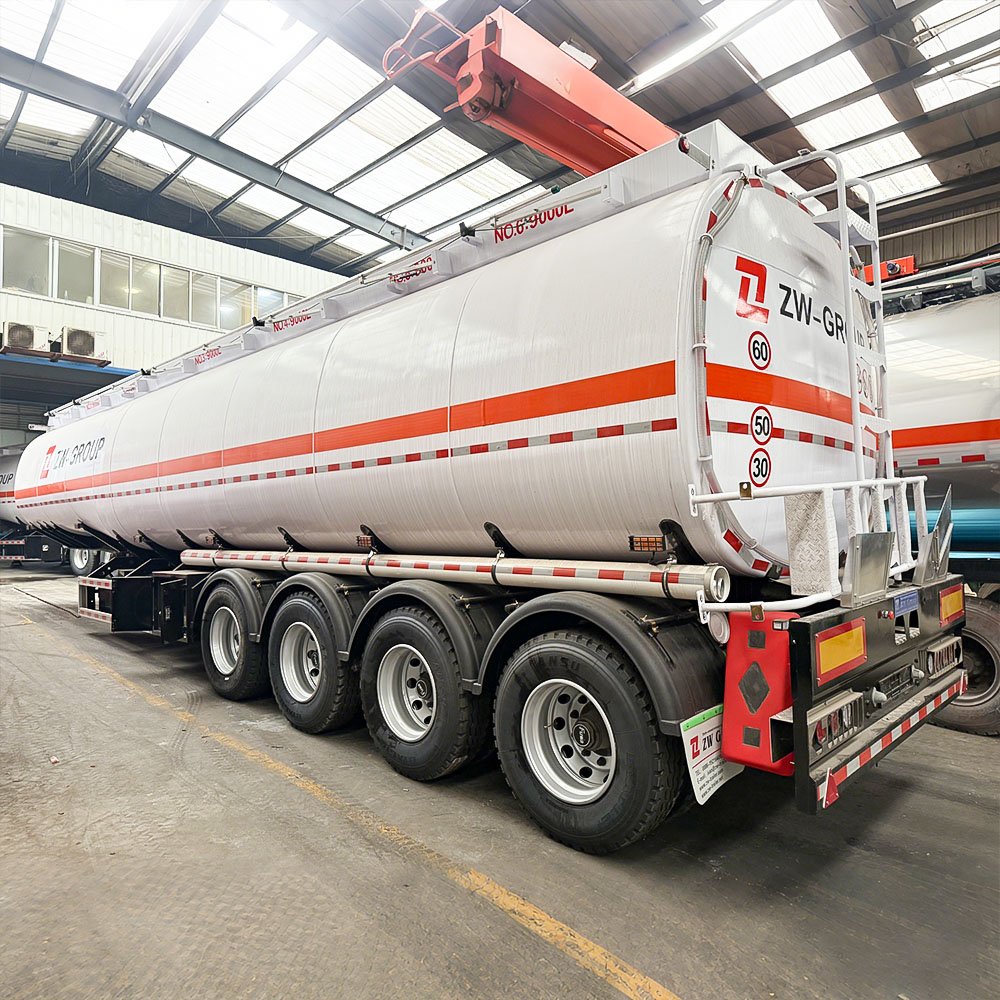
2-Axle vs. 3-Axle vs. 4-Axle Semi-Trailers
The following table provides a simple comparison:
| Feature | 2 Axles | 3 Axles | 4 Axles |
|---|---|---|---|
| Payload Capability | Low–Medium | Medium–High | High |
| Load Distribution | Good | Very Good | Excellent |
| Stability | Good | Very Good | Excellent |
| Purchase Cost | Lower | Medium | Higher |
| Tire Cost | Lower | Medium | Higher |
| Maintenance | Lower | Medium | Higher |
| Maneuverability | Excellent | Very Good | Good |
| Best For | General Cargo | Logistics & Heavy Cargo | Heavy-Duty Transport |
These are general comparisons. The actual payload and legal limits depend on the trailer design, axle rating, tractor configuration, cargo, and regulations in the destination market.
How to Choose the Right Number of Semi-Trailer Axles?
Choosing between 2, 3, and 4 axles should not be based on payload alone.
Consider the following factors.
1. Determine Your Typical Payload
Start with the actual weight of the cargo you transport most frequently.
If your operation mainly handles lighter general cargo, adding more axles may increase costs without providing a meaningful benefit.
If you regularly transport heavy machinery, steel, construction materials, or mining equipment, a higher axle count may be more appropriate.
2. Check Local Axle-Load Regulations
This is one of the most important considerations.
Different countries and regions may have different requirements for:
- Maximum gross vehicle weight
- Maximum axle load
- Trailer dimensions
- Road restrictions
- Permitted combinations
A trailer that works well in one market may require a different configuration in another.
Therefore, buyers should always check local regulations before selecting the axle configuration.
3. Consider Road Conditions
Road conditions also affect the choice.
For long-distance logistics on paved highways, a standard 2- or 3-axle configuration may be suitable for many applications.
For construction sites, mining operations, and heavy-duty transportation, the trailer may need a stronger chassis, higher-rated axles, and a configuration designed for the actual operating environment.
The goal is not simply to use more axles, but to select a trailer that can reliably handle the expected road and loading conditions.
4. Match the Trailer With the Tractor
The trailer and tractor should be considered as one complete vehicle combination.
When selecting a trailer, buyers should consider:
- Tractor horsepower
- Tractor axle configuration
- Fifth-wheel capacity
- Gross combination weight
- Braking system
- Suspension
- Tire configuration
For example, a heavy 4-axle trailer requires a tractor and braking system capable of operating safely with the intended gross combination weight.
5. Consider Long-Term Operating Costs
The purchase price is only one part of the total cost.
A higher axle count can increase:
- Tire consumption
- Maintenance requirements
- Replacement-part costs
- Trailer weight
- Fuel consumption in some operating conditions
Therefore, fleet operators should compare the total operating cost rather than choosing the configuration with the highest nominal payload.
What Axle Configuration Is Best for African Logistics?
African transportation markets include a wide variety of operating conditions.
A trailer may be used on highways, urban roads, construction sites, mining roads, or long-distance regional routes.
Because of this diversity, there is no single axle configuration that is suitable for every African market.
For general logistics and container transportation, 3-axle semi-trailers are often a practical choice because they provide a balance between payload, stability, and operating cost.
For heavy construction and mining applications, 4-axle or multi-axle configurations may be more suitable when the required cargo weight and local regulations allow them.
For lighter applications, a 2-axle trailer can help reduce tare weight and operating costs.
The best solution should always be based on the customer’s actual cargo and local transportation requirements.
Does More Axles Always Mean Better?
More axles can provide better load distribution and support higher payload requirements, but they also increase the number of components that need to be maintained.
For example, adding axles can mean:
- More tires
- More wheel-end components
- More suspension components
- Greater trailer weight
- Higher maintenance costs
The correct approach is to select the minimum suitable axle configuration that safely meets the transportation requirements.
This can help fleet operators achieve a better balance between payload capacity, reliability, and operating cost.
How ZW Group Helps You Choose the Right Semi-Trailer
At ZW Group, semi-trailers can be configured according to different transportation requirements, including flatbed trailers, lowbed trailers, tanker trailers, bulk cement trailers, and other specialized semi-trailers.
Depending on the application, trailer specifications can be matched to requirements such as:
- Axle quantity and axle rating
- Suspension type
- Trailer dimensions
- Payload requirements
- Brake systems
- Tire specifications
- Cargo type
- Road and operating conditions
Instead of selecting a trailer simply by its axle count, we recommend considering the complete transportation system, including the tractor, cargo, route, and local regulations.
Frequently Asked Questions
How many axles does a standard semi-trailer have?
There is no single standard configuration. Semi-trailers commonly use 2 or 3 axles, while 4-axle and multi-axle configurations are used for heavier or specialized applications.
Is a 3-axle semi-trailer better than a 2-axle trailer?
Not necessarily. A 3-axle trailer generally provides greater load-distribution capability, while a 2-axle trailer can offer lower weight, lower tire costs, and better maneuverability. The right choice depends on the application.
What is the advantage of a 4-axle semi-trailer?
A 4-axle trailer can provide greater load-distribution capability and is suitable for many heavy-duty transportation applications. However, it normally has higher purchase and maintenance costs.
Does adding more axles increase payload?
It can increase the trailer’s load-distribution capability, but the actual legal payload depends on axle ratings, trailer design, tractor configuration, road regulations, and other factors.
How do I choose the right axle configuration?
Consider your typical cargo weight, local axle-load regulations, road conditions, tractor configuration, required payload, and long-term operating costs.
Can ZW Group customize the axle configuration?
Yes. Trailer configurations can be designed according to the intended cargo, payload requirements, operating conditions, and destination-market requirements.
Conclusion
The number of axles is an important part of semi-trailer selection, but more axles do not always mean a better trailer.
A 2-axle semi-trailer can be a practical choice for lighter and cost-sensitive transportation. A 3-axle semi-trailer offers a strong balance between payload, stability, and operating cost for many logistics applications. A 4-axle semi-trailer is better suited to heavier cargo and demanding transportation requirements.
Before purchasing, always consider the complete vehicle combination, local regulations, cargo weight, road conditions, and long-term operating costs.
Need help choosing the right semi-trailer configuration? Contact ZW Group to discuss your cargo, payload, and transportation requirements.