
Why Gooseneck Semi Trailers Excel in Heavy Haul?
ZW Group| 2026-7-23
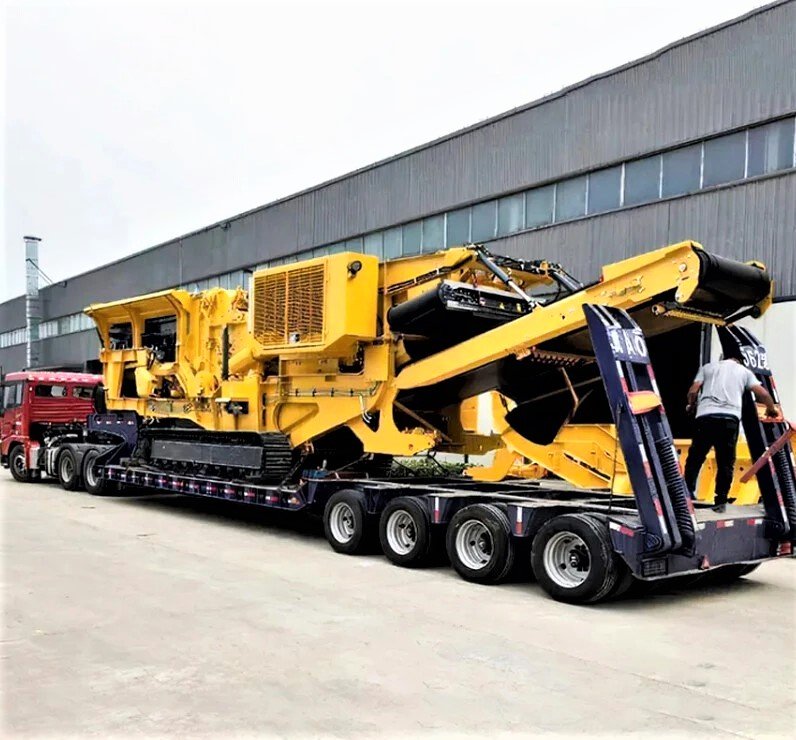
Is a Gooseneck Semi Trailer Better for Heavy Equipment Transport?
When moving bulldozers, excavators, loaders, or other oversized machines, the question sounds simple: is a gooseneck semi trailer better than a conventional one? In practice, it is rarely a yes-or-no decision. A gooseneck design often gives clear advantages for heavy equipment transport, especially when load control and deck geometry matter. But there are jobs where a more conventional trailer setup can still make operational sense.
The real issue is not which trailer looks tougher on paper. It is which one handles the machine’s weight, center of gravity, loading method, route restrictions, and daily operating conditions with fewer compromises. In heavy haul work, a bad trailer choice usually shows up fast: unstable tracking, axle overloading, awkward loading angles, extra permit problems, or slower turnaround in the yard.
So if you are comparing a gooseneck against a conventional trailer for equipment hauling, it helps to step past generic pros and cons and look at how these trailers behave under real transport demands.
Why gooseneck trailers are often preferred for heavy machinery
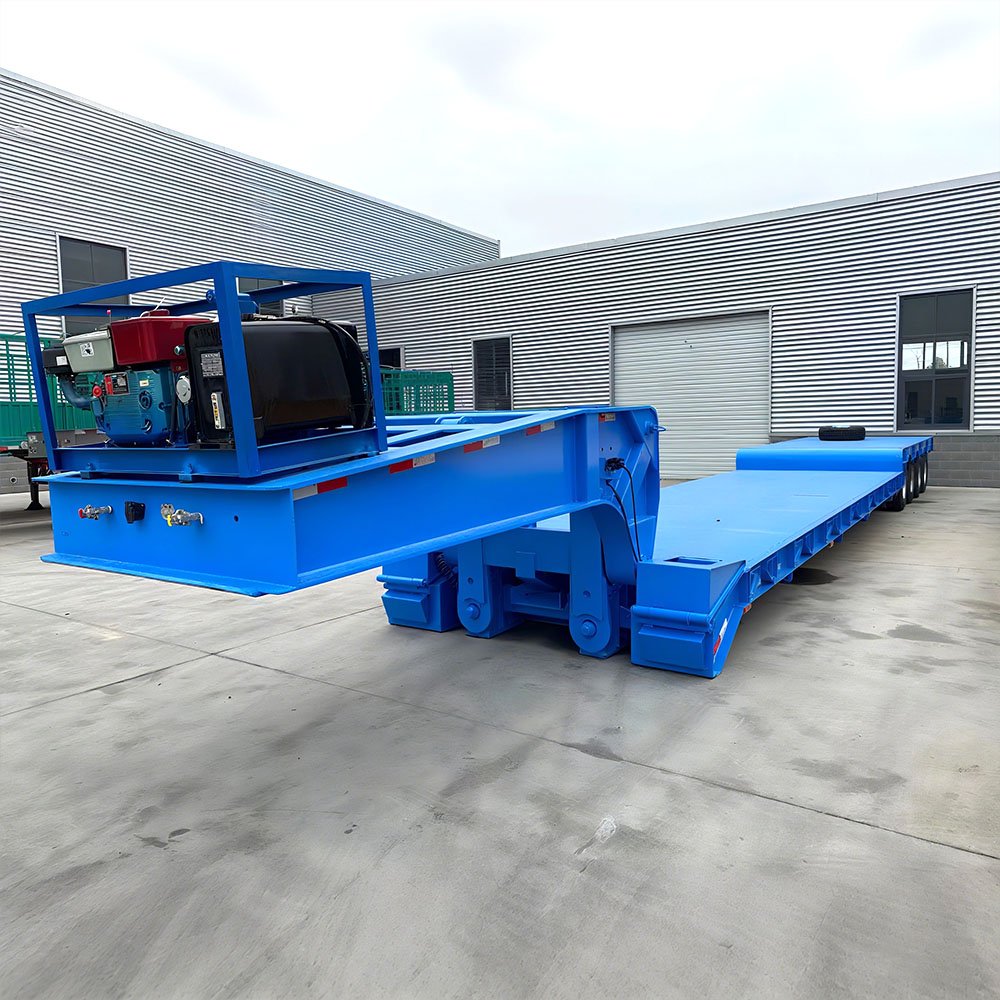
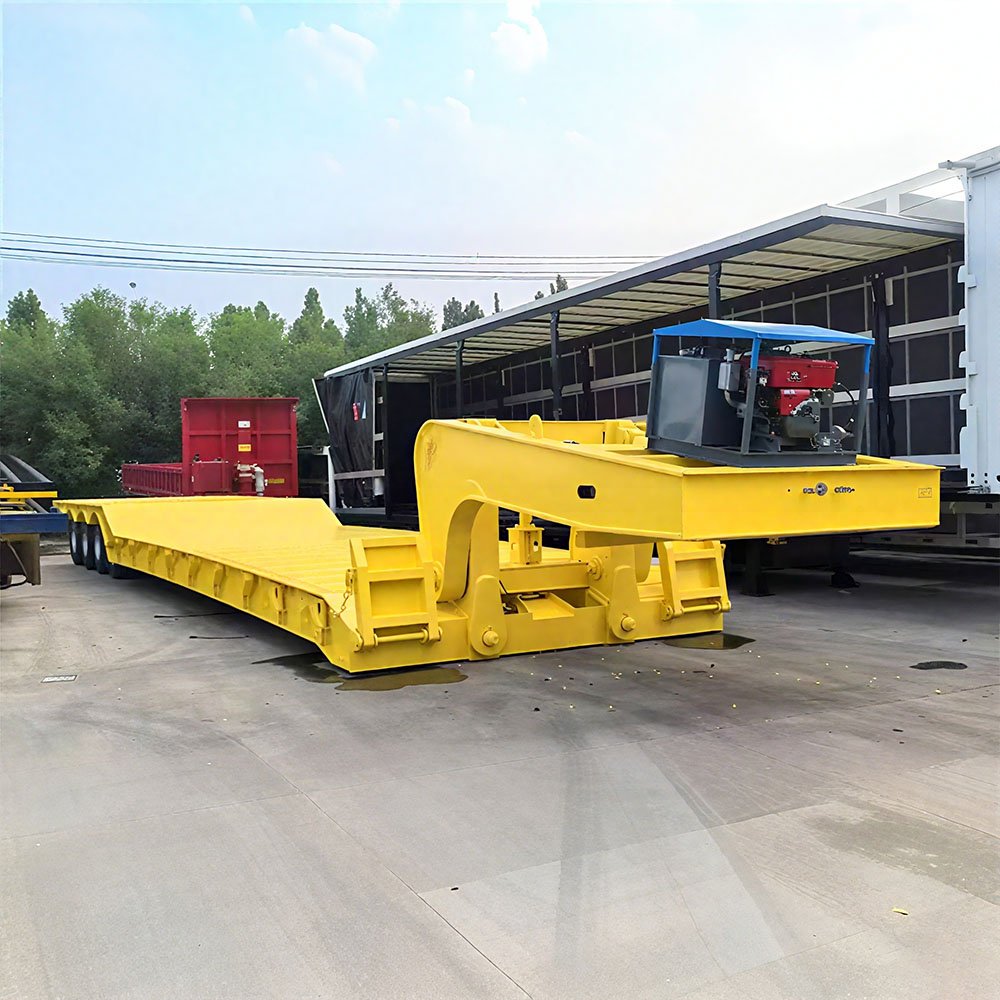
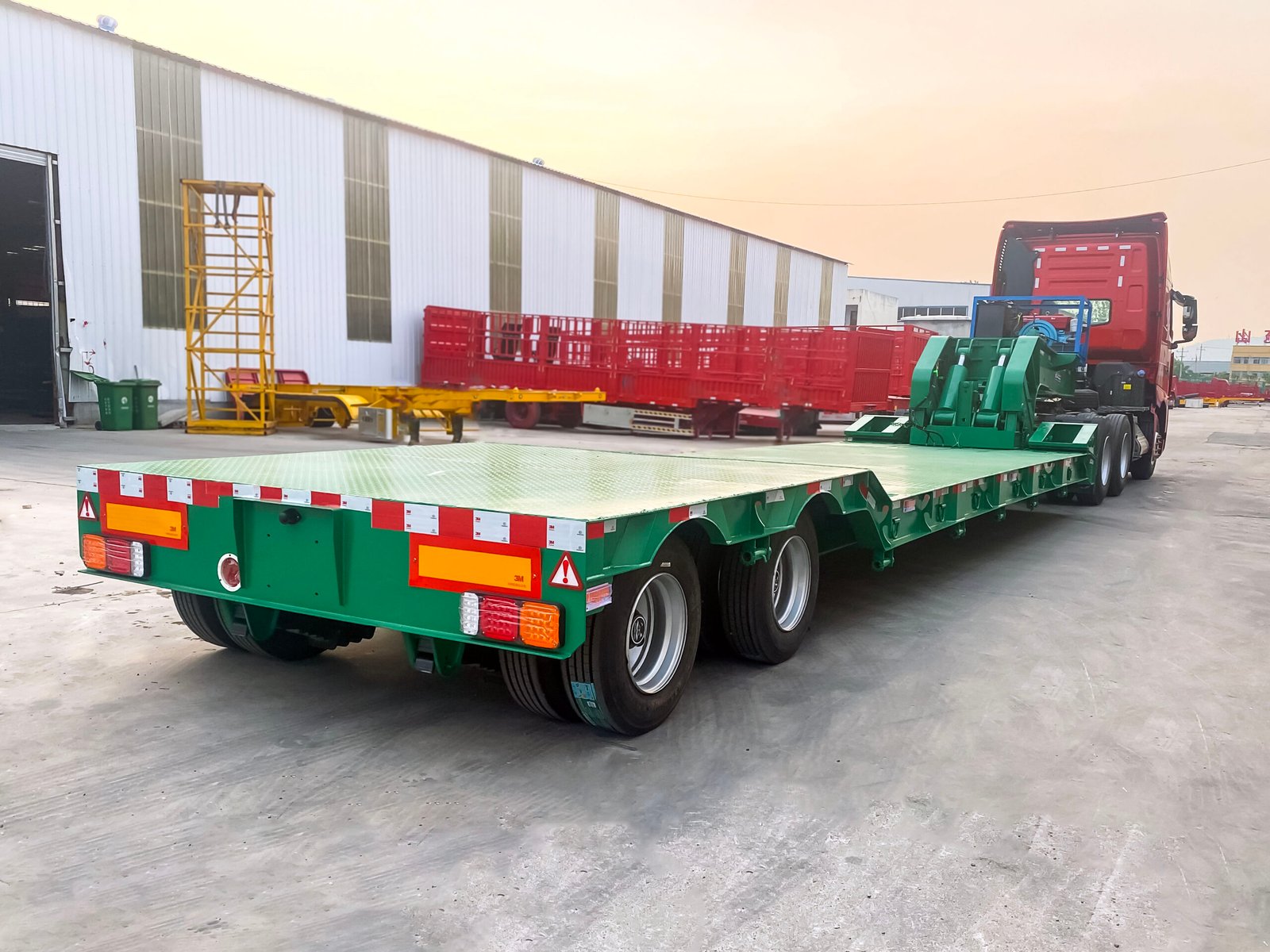
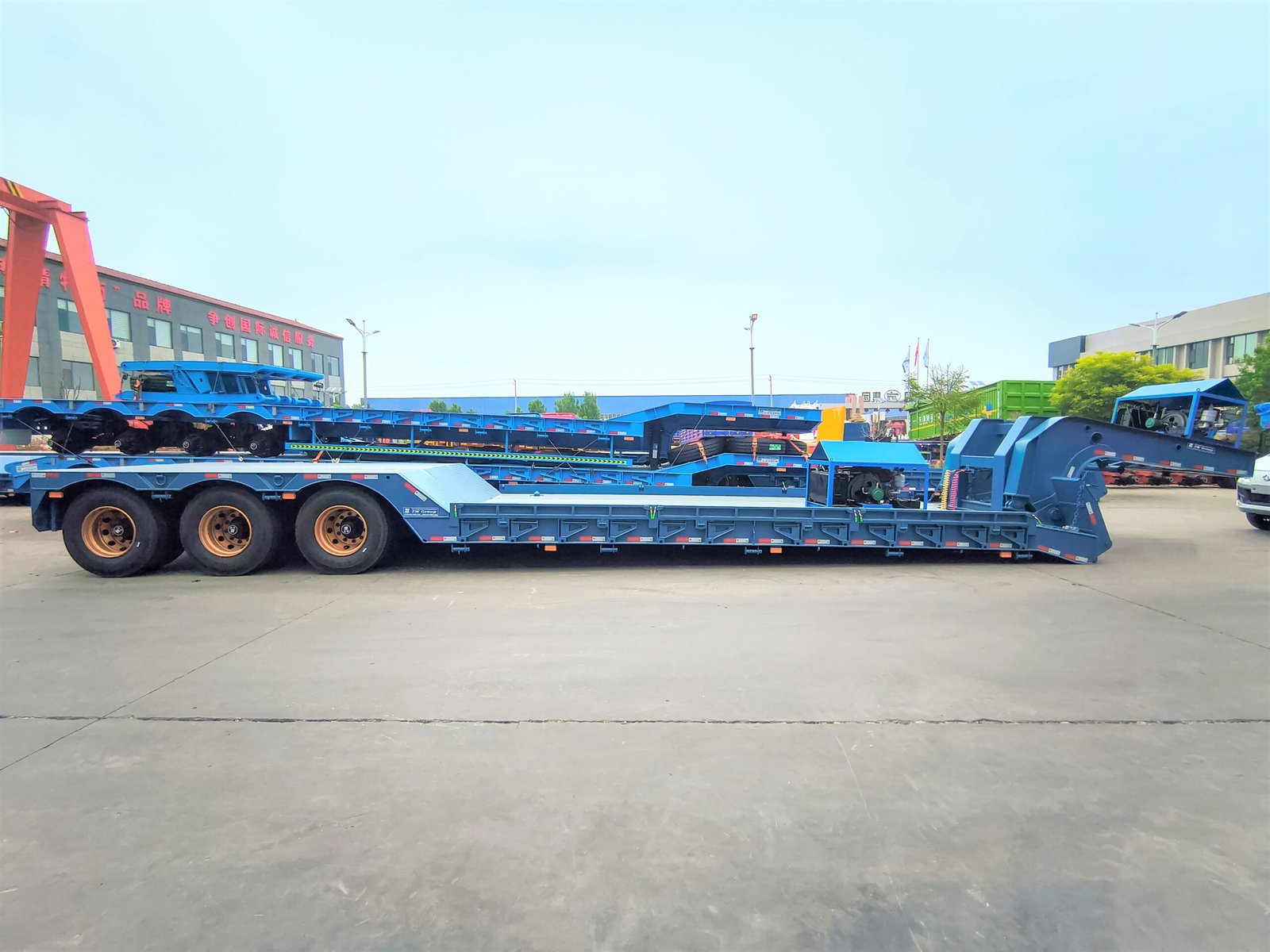
A gooseneck semi trailer connects over or near the tractor’s rear axle area through a raised neck section. That geometry does more than change appearance. It affects how weight transfers to the tractor, how stable the trailer feels under load, and how low the deck can sit behind the neck.
For heavy equipment, that lower deck height is one of the most practical advantages. Taller machines can quickly run into bridge clearance issues, local height limits, or route restrictions. A lower deck can make the difference between a manageable move and a permit headache. Even when the cargo is technically within legal height, a lower transport position generally leaves more margin for uneven road surfaces, temporary detours, or access into industrial sites that were not designed with heavy haul traffic in mind.
The other big reason is weight distribution. Gooseneck designs usually do a better job of placing part of the load onto the tractor, which can improve balance across the combination. That matters with excavators and similar machines because the weight is not always evenly spread from front to rear. Tracks, booms, counterweights, attachments, and loading orientation all affect where the mass actually sits. A trailer that helps distribute that weight more predictably can be easier to scale, easier to secure properly, and less nervous on the road.
Where the comparison becomes more complicated
Saying a gooseneck is better than a conventional one only holds up if the equipment, route, and operating pattern match the trailer’s strengths.
For example, if a fleet mostly moves medium-weight machines over short regional distances, a conventional flatbed or standard semi trailer setup may be acceptable for certain loads, especially if the equipment dimensions stay well within local legal limits and loading can be handled without aggressive ramp angles. In that situation, the cost and complexity of a specialized gooseneck may not always be justified.
On the other hand, once machine height increases, axle weights become tighter, or the routes include rough access roads, jobsite entries, or repeated loading cycles, the conventional option starts showing its limits. Heavy equipment is not palletized freight. It shifts the conversation from simple deck space to trailer structure, approach angle, tie-down practicality, and how forgiving the combination is when conditions are less than ideal.
Stability on the road: this is where many operators decide
One reason people ask whether a gooseneck semi trailer is better than a conventional one is that heavy equipment does not just need to fit; it needs to stay settled through braking, lane corrections, uneven pavement, and turns. A machine with a high center of gravity or concentrated rear weight can make a trailer feel very different from a standard cargo load.
A gooseneck generally helps by creating a more integrated tractor-trailer combination. It tends to track more confidently under heavy loads, particularly when compared with a setup where the load sits higher or where weight transfer is less favorable. That does not remove the need for proper securement or careful speed management, but it can reduce the tendency of the load to feel top-heavy or unsettled.
This becomes especially important with long-haul moves or mixed route conditions. A route that starts on a paved highway and ends on a rutted access road will expose weaknesses fast. Operators usually notice them not as dramatic failures, but as constant small problems: more trailer bounce, more steering correction, less confidence entering turns, and more sensitivity to poor road shoulders.
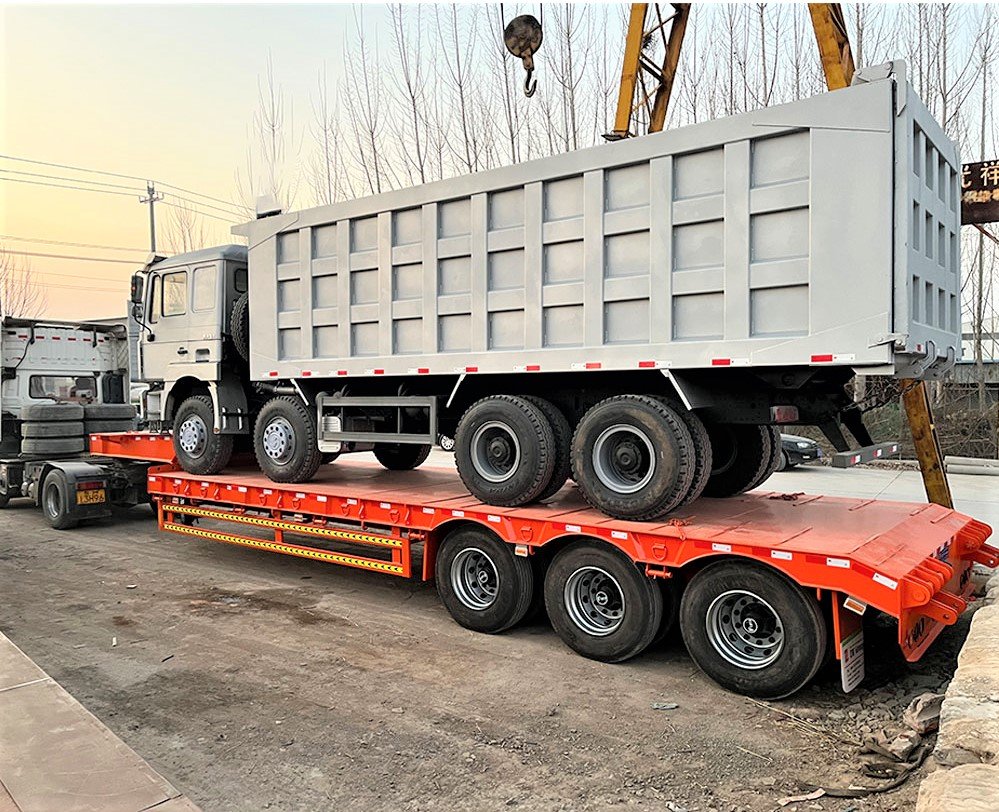
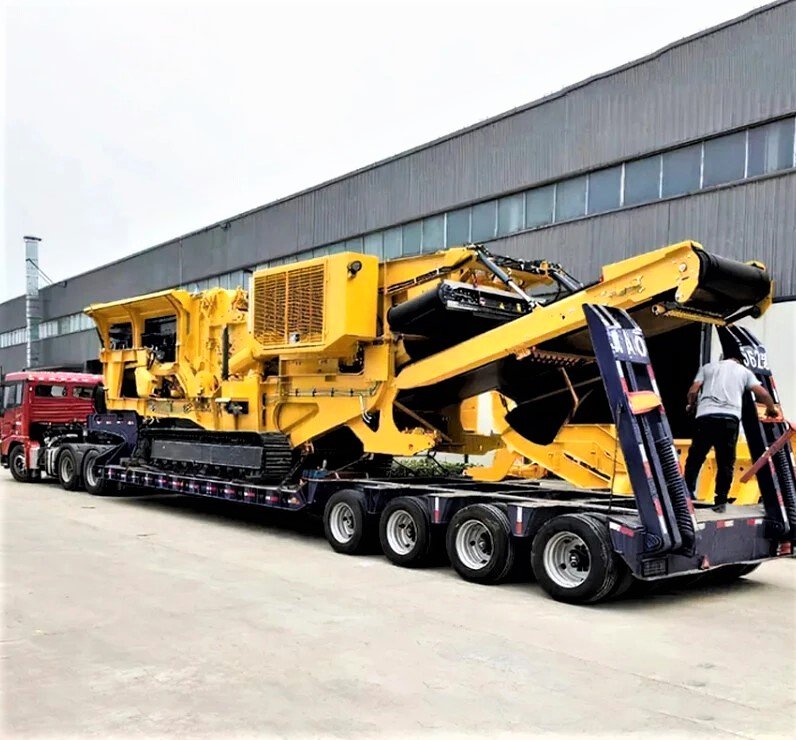
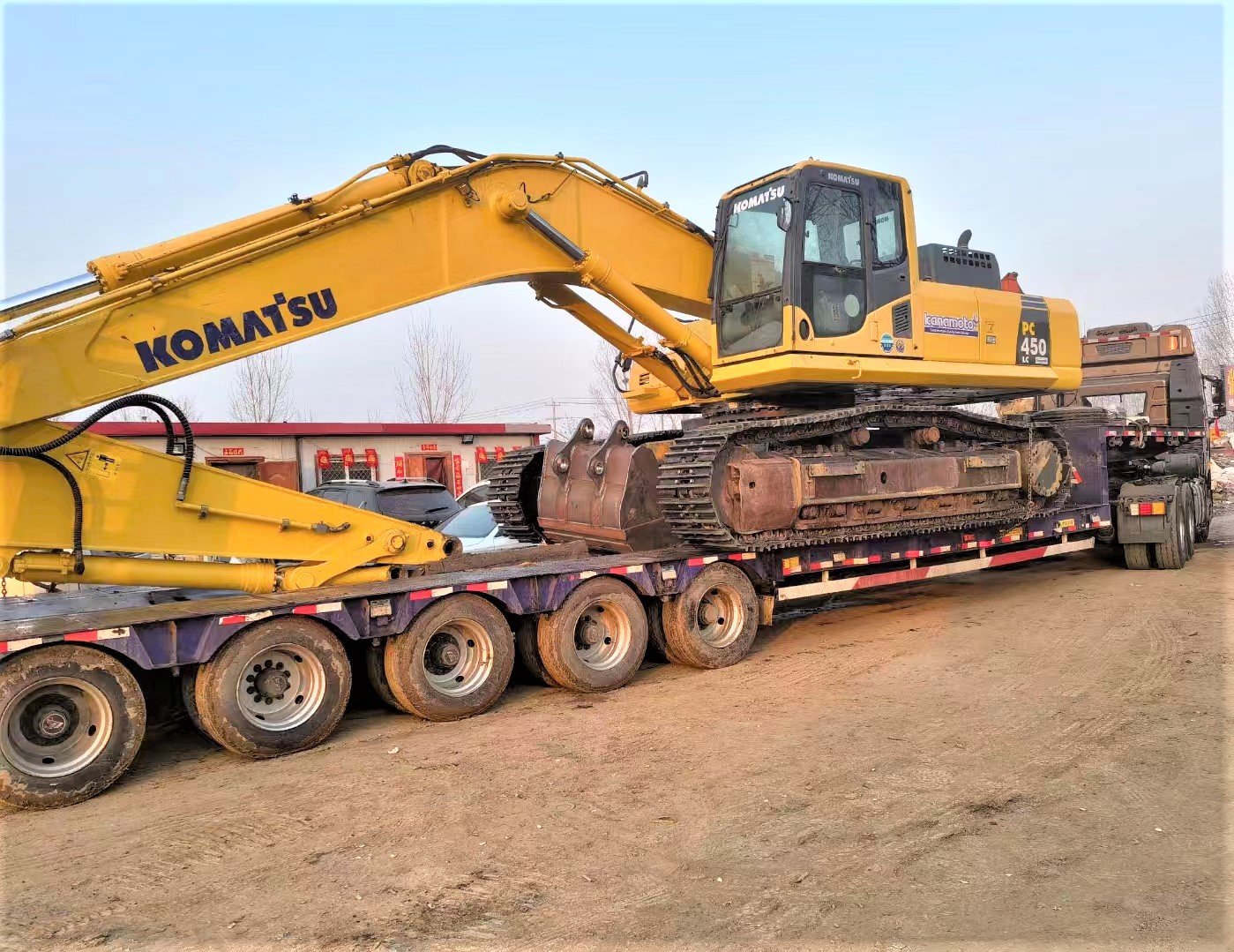
Loading and unloading are not side issues
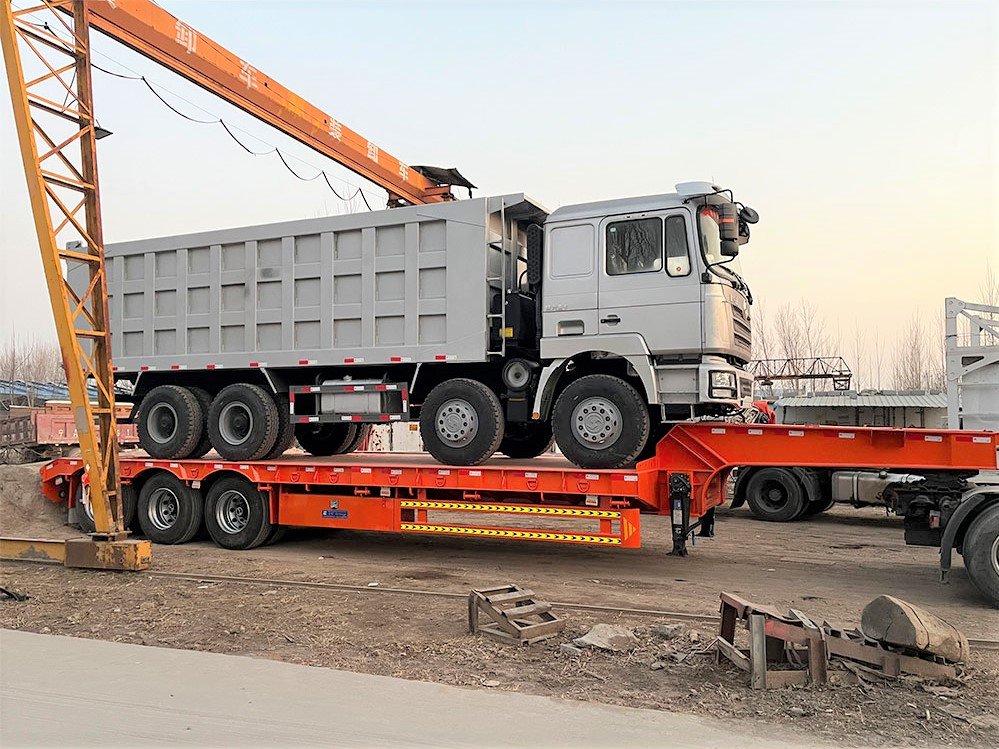
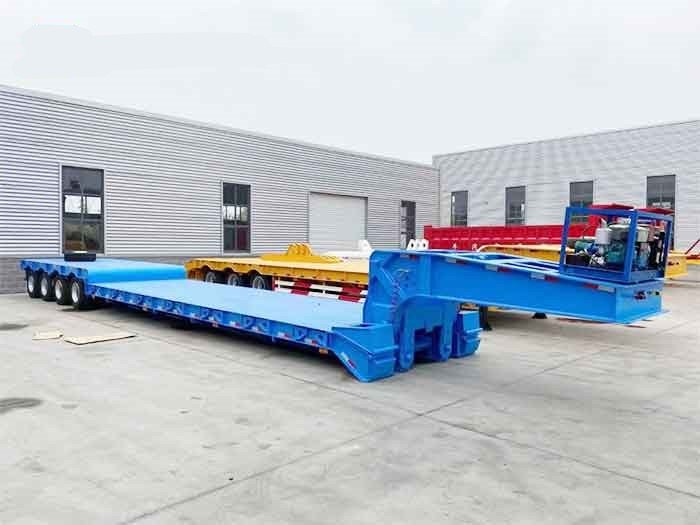
Many equipment-hauling mistakes happen before the truck leaves the yard. Loading angle, deck height, and machine clearance matter just as much as highway behavior. Gooseneck trailers, especially detachable gooseneck configurations, are often favored because they can make loading tracked or wheeled machinery more controlled and less awkward.
With some conventional trailers, loading may require steeper ramps or less forgiving transitions from the ground to the deck. That increases the risk of undercarriage contact, attachment interference, or unstable machine movement during loading. For low-clearance equipment or machines with long wheelbases, that is more than an inconvenience.
Crews who handle equipment every day usually care a lot about this point. A trailer that looks adequate in a brochure can become frustrating in the field if loading is slow, inconsistent, or too dependent on perfect ground conditions.
A practical side-by-side view
| Factor | Gooseneck Semi Trailer | Conventional Trailer Setup |
|---|---|---|
| Deck height | Usually better for lowering transport height | Often higher, depending on trailer type |
| Weight distribution | Commonly more favorable for heavy machinery | Can be workable, but less optimized for concentrated heavy loads |
| Loading practicality | Often easier for equipment, especially low-clearance or tracked units | May involve steeper ramps or tighter loading constraints |
| Stability during transport | Typically stronger under heavy, unevenly distributed loads | More dependent on load type and route conditions |
| Operational simplicity | Specialized, sometimes with more planning required | Can be simpler for general freight or lighter equipment tasks |
That table does not mean conventional trailers are poor choices across the board. It means they are less forgiving when the job moves into true heavy-equipment territory.
The hidden trade-offs people forget to ask about
A gooseneck trailer can solve one problem while introducing another. That is worth acknowledging, because operators who only focus on payload or deck height sometimes miss the practical cost of specialization.
For one thing, not every fleet needs a trailer built mainly around equipment moves. If trailer utilization is mixed and a unit must handle broader cargo types, a conventional configuration may offer more flexibility. There is also the question of tractor compatibility, maintenance familiarity, and driver experience. Some fleets run heavy equipment often enough to justify dedicated trailer types. Others only take these loads occasionally, in which case the decision should be based on frequency as much as technical superiority.
There is also the route side of the equation. Tight urban areas, uneven jobsites, temporary site entrances, and regional bridge limits all change what “better” means. In some cases, the trailer that is theoretically stronger for heavy transport may still be inconvenient if access conditions are poor or if the loading sequence on-site is difficult to manage. That is why experienced dispatchers rarely choose a trailer by equipment weight alone.
What to evaluate before choosing one
If you are making the decision load by load or planning fleet capacity, these are the questions that usually matter more than broad marketing claims:
- How tall is the machine in transport position, including booms, cabs, guards, and attachments?
- Is the weight concentrated in one section, such as a rear counterweight or tracked undercarriage?
- Will loading happen on level pavement, compacted gravel, or inconsistent site ground?
- How often will the trailer be used for heavy equipment versus general cargo?
- Do local permit, axle, or dimensional rules create pressure on height and axle spread?
- Can the machine be positioned and secured safely without overloading any axle group?
These are not abstract checklist items. They directly affect whether the trailer performs well in the field or only looks acceptable during planning.
Common misconception: heavier always means gooseneck
That is often true, but not automatically. Some machines are heavy yet compact and relatively easy to balance. Others are not especially heavy but are awkward in height, length, or center of gravity. A conventional trailer may struggle more with the second type than with the first. This is why transport planners tend to focus on the whole load profile rather than just gross machine weight.
It is also why asking “is a gooseneck semi trailer better than a conventional one” should lead to a second question: better for which machine, on which road, with which loading method? Once those details are clear, the answer usually becomes much less theoretical.
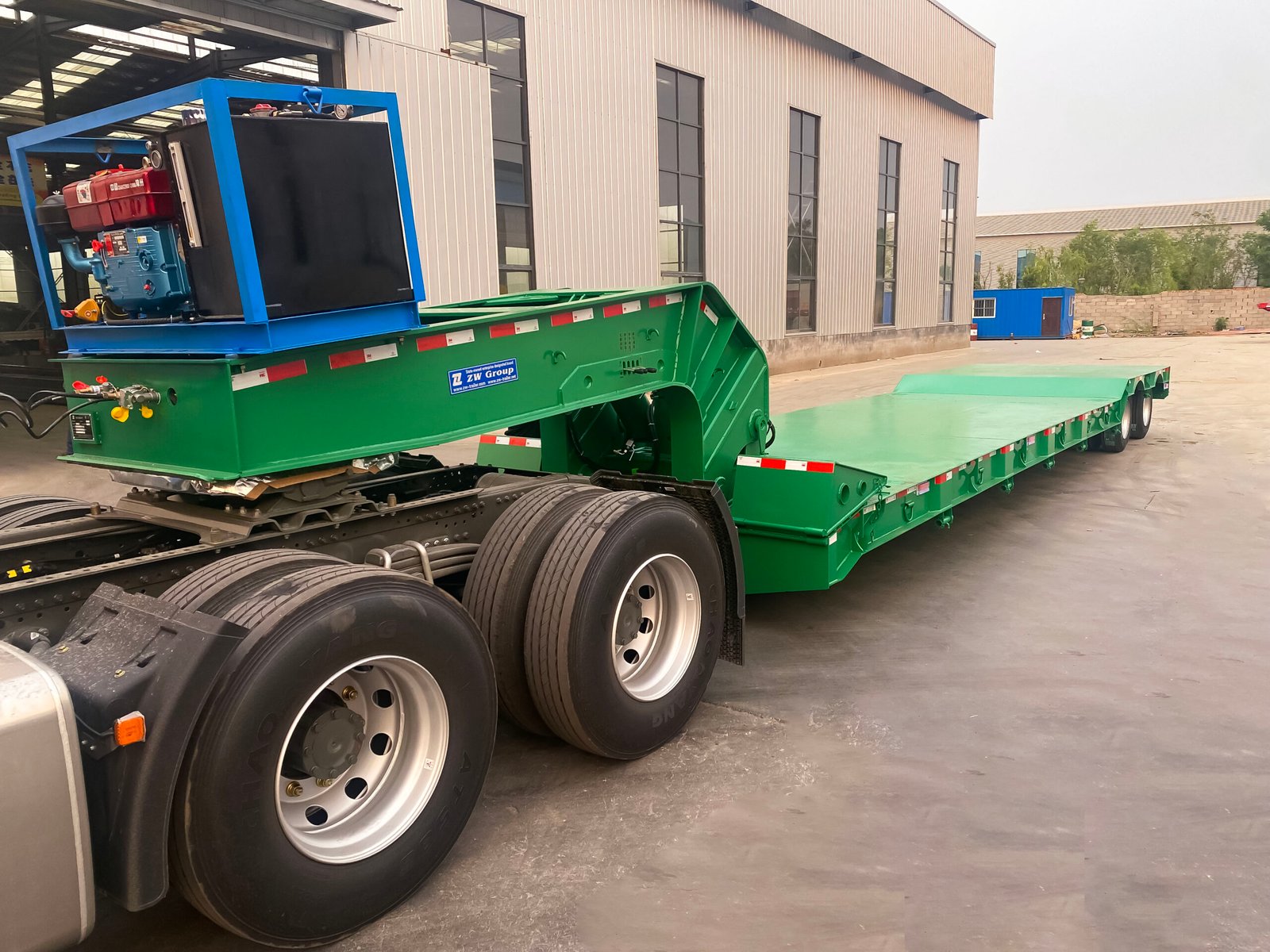
So, is the gooseneck the better choice?
For dedicated heavy equipment transport, very often yes. A gooseneck semi trailer usually offers better load stability, more favorable weight distribution, improved deck height for oversized machinery, and easier loading for demanding equipment types. Those advantages are not cosmetic; they address the exact pain points that show up in real heavy haul operations.
But “better” should not be confused with “universal.” If the equipment is lighter, the routes are simple, and trailer utilization needs to stay broad, a conventional setup may still be the more practical tool. The wrong decision is usually not choosing conventional over gooseneck. It is choosing based on category labels instead of the machine’s actual transport profile.
If there is one rule worth keeping, it is this: judge the trailer by how well it handles height, axle loading, loading angle, and control under motion. Heavy equipment transport punishes guesswork. The trailer that reduces those risks is usually the one that earns its keep.