
Carbon Steel vs Aluminum Fuel Tanker – Which Is Better?
ZW Group| 2026-4-8
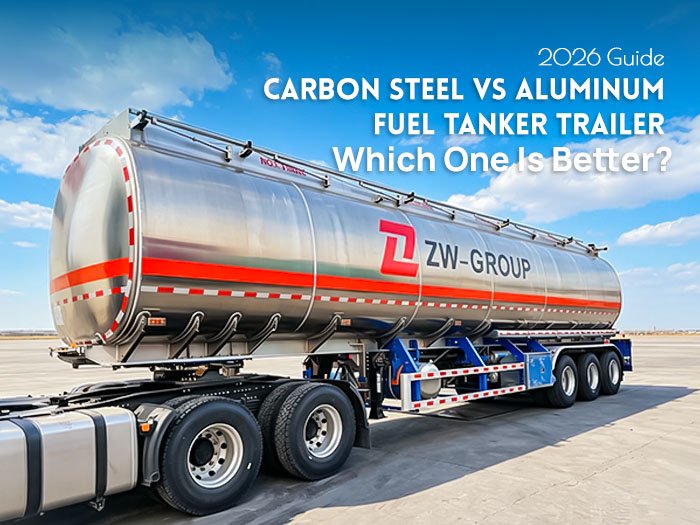
Choosing the right material for your fuel tanker trailer is a critical decision that impacts safety, durability, compliance, and total cost of ownership.
✅ Quick Answer (2026)
- Choose Aluminum Tanker → Higher payload, lower maintenance, better long-term ROI
- Choose Carbon Steel Tanker → Lower upfront cost, stronger for heavy-duty use
👉 If your goal is long-term profit and efficiency, aluminum is usually the better choice.
👉 If your priority is lower investment cost, carbon steel is still a solid option.
1. Key Differences at a Glance
| Factor | Carbon Steel Tanker | Aluminum Tanker |
|---|---|---|
| Price | Lower | Higher |
| Weight | Heavy | Light (−15% to −25%) |
| Corrosion Resistance | Moderate | Excellent |
| Maintenance | Higher | Lower |
| Lifespan | 8–12 years | 12–18 years |
2. How Weight & Payload Affect Your Profit
Fuel tanker trailers operate under strict axle weight limits. Every kilogram saved increases your payload.
- Aluminum trailers are 15–25% lighter
- This adds 1,200–2,800 lbs (544–1,270 kg) extra fuel per trip
👉 For fleets running daily routes:
This can generate significantly higher annual revenue without adding trucks
📊 Real-World Payload Comparison
| Parameter | Carbon Steel | Aluminum |
|---|---|---|
| Tare Weight | 12,800–13,600 lbs | 9,900–10,700 lbs |
| Payload Gain | — | +1,800–2,400 lbs |
| Extra Fuel per Trip | — | +220–290 gallons |
3. Corrosion Resistance & Durability
Fuel transport involves:
- Moisture
- Ethanol blends
- Temperature changes
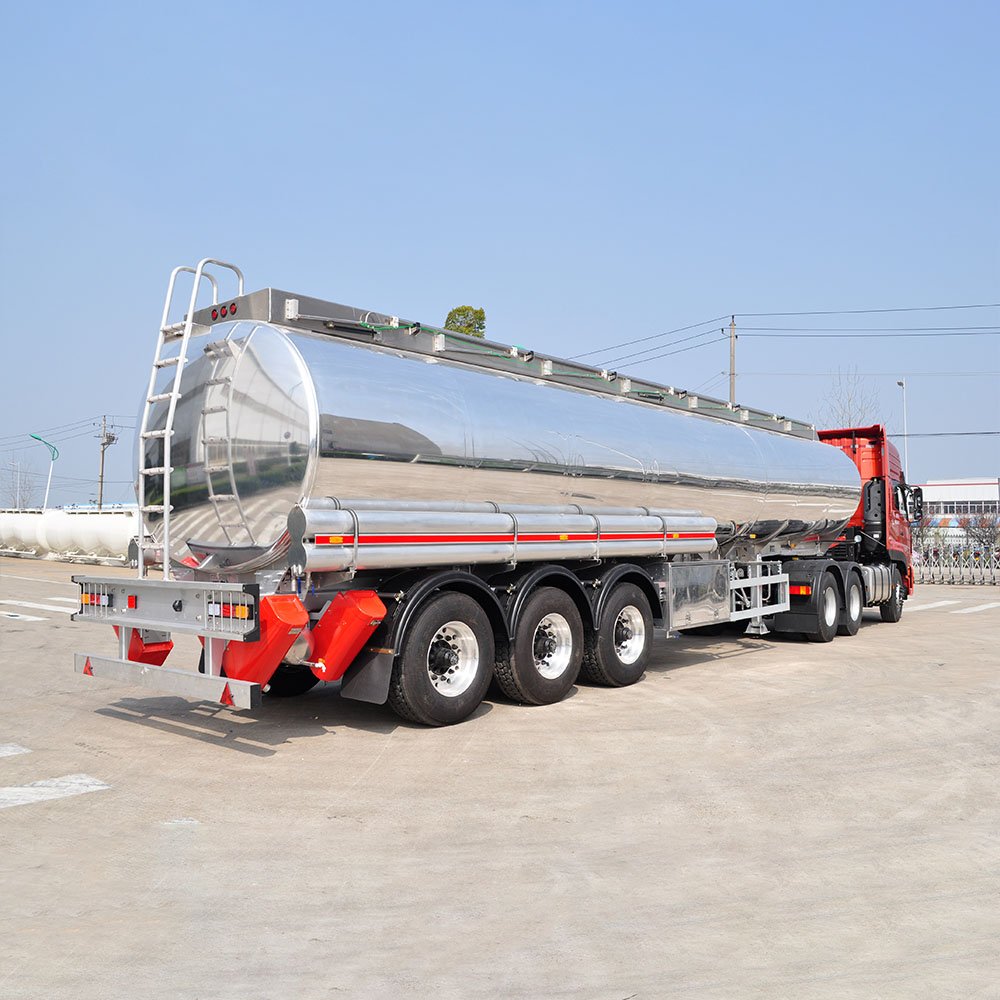
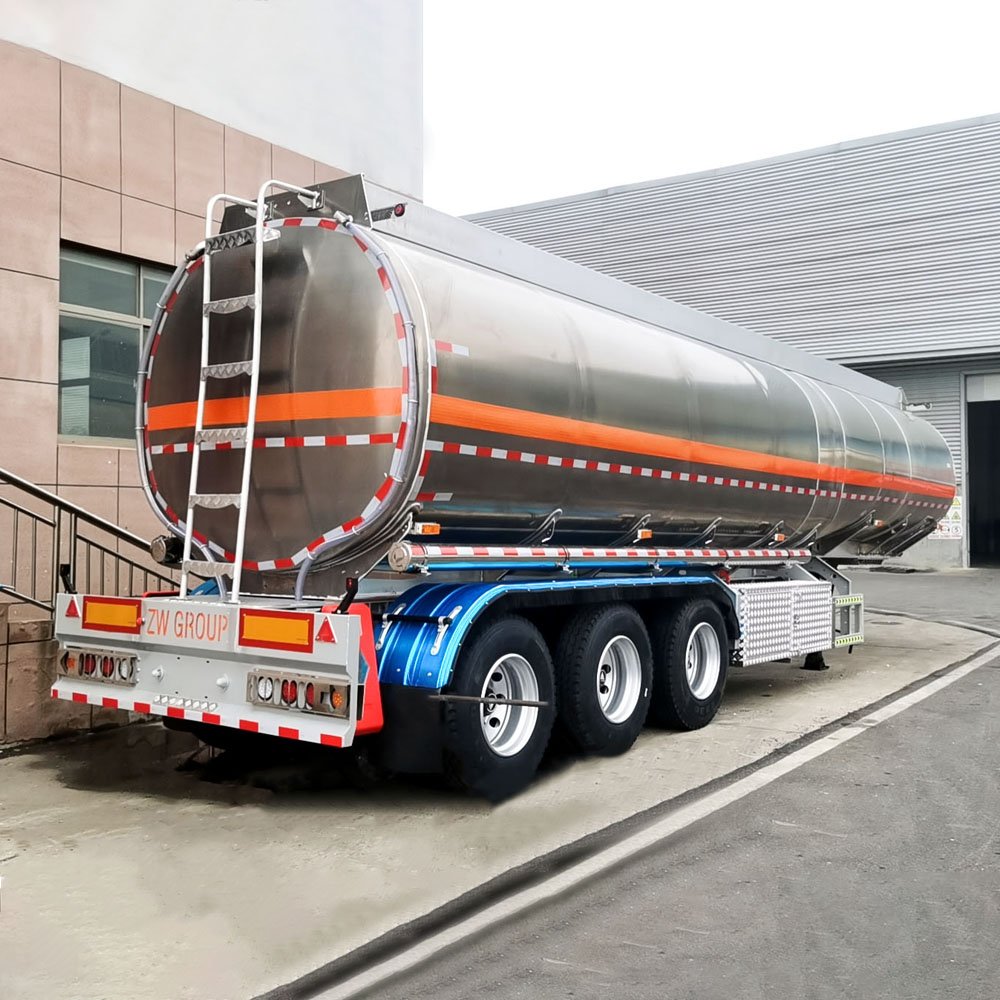
Aluminum:
- Forms natural anti-corrosion layer
- No rust
- Ideal for humid or coastal environments
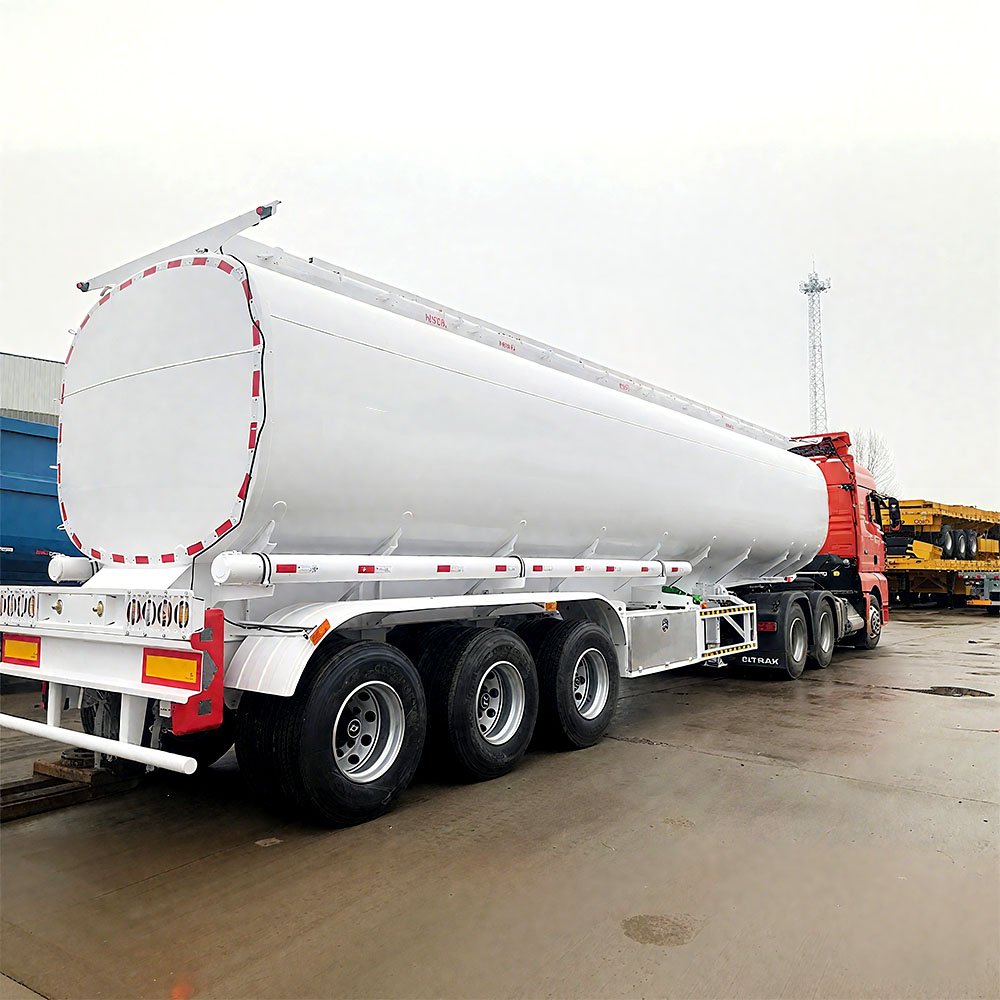
Carbon Steel:
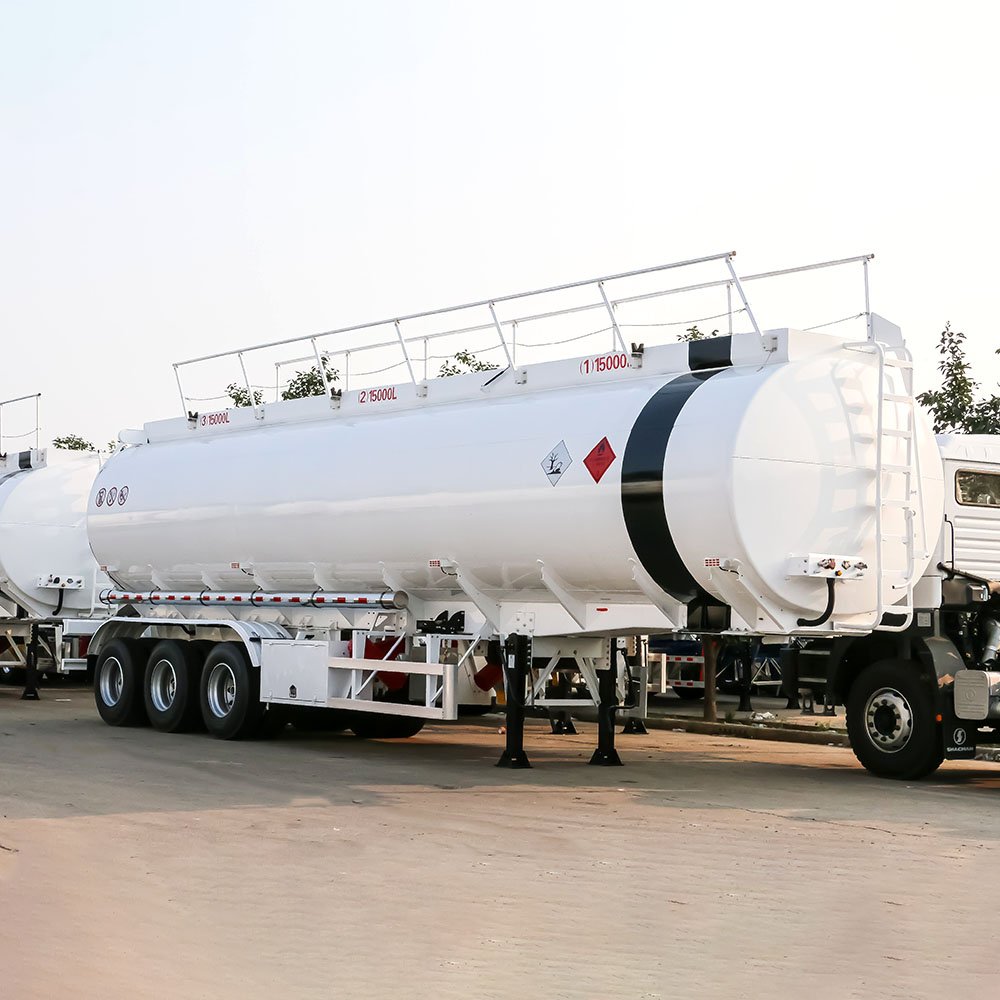
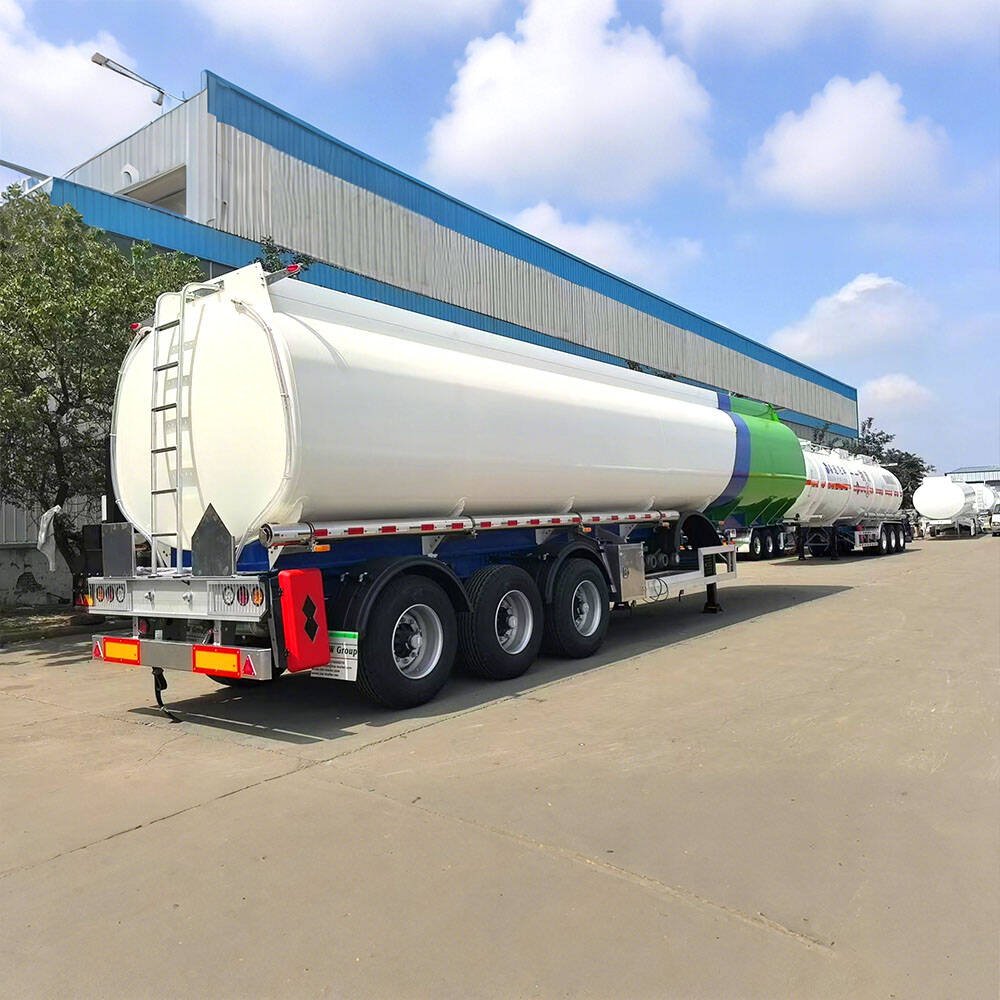
- Requires coating (epoxy lining)
- Needs regular anti-rust maintenance
👉 In harsh environments, aluminum reduces downtime significantly.
4. Cost Comparison (Short-Term vs Long-Term)
Initial Cost:
- Carbon steel → 20%–30% cheaper
- Aluminum → Higher upfront cost
Long-Term Cost:
| Cost Factor | Carbon Steel | Aluminum |
|---|---|---|
| Maintenance | Higher | Lower |
| Fuel Efficiency | Lower | Higher |
| Resale Value | Medium | Higher |
👉 Over 5–10 years:
Aluminum often delivers better ROI
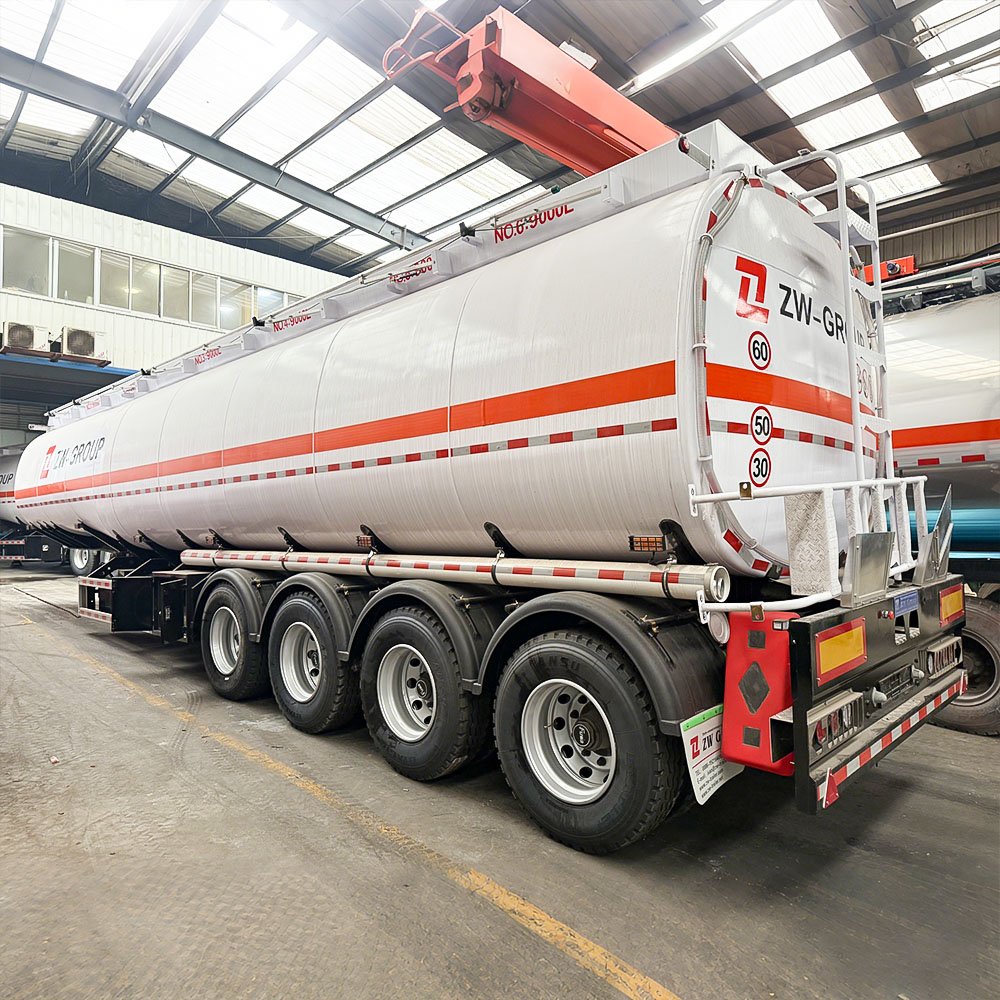
5. Maintenance Requirements
Carbon Steel:
- Frequent anti-corrosion treatment
- Regular inspections
- Higher maintenance cost
Aluminum:
- Minimal maintenance
- No rust treatment needed
- Lower downtime
6. Which One Is Better for Africa?
Operating conditions in Africa include:
- High temperatures
- Long-distance transport
- Limited maintenance access
- Dust and humidity
👉 Aluminum Tanker is better if:
- You run long-distance routes
- You want lower maintenance
- You focus on long-term profit
👉 Carbon Steel Tanker is better if:
- You have limited budget
- You operate short-distance routes
- You need strong impact resistance
7. Advanced Technical Comparison (For Engineers & Fleet Managers)
Carbon steel maintains higher tensile strength (400–550 MPa vs. 270–350 MPa for 5083-H116 aluminum), allowing thinner gauge construction in low-corrosion environments.
Aluminum requires reinforced structural design to meet standards such as:
- FMVSS 223
- ECE R105
- UN certification
However, it offers superior long-term resistance to chemical corrosion and environmental exposure.
8. Regulatory Compliance (DOT / ADR / UN)
Both materials must meet:
- DOT (U.S.)
- ADR (Europe)
- UN tank certification
Key Differences:
- Carbon steel → Requires full hydrostatic testing
- Aluminum → Requires fatigue and corrosion testing
👉 Aluminum often allows faster recertification and easier compliance updates
9. Common Buying Mistakes (Avoid This)
- Choosing based only on price
- Ignoring maintenance cost
- Not considering route conditions
- Wrong tanker for fuel type
💡 Smart buyers focus on:
👉 Total Cost of Ownership (TCO)
10. Final Recommendation
There is no universal answer—but:
👉 Choose Carbon Steel if:
- You want lower upfront cost
- You operate heavy-duty or harsh load conditions
👉 Choose Aluminum if:
- You want higher efficiency
- You run long-distance fuel transport
- You focus on long-term profit

🚀 Not Sure Which Tanker Is Right for You?
We help transport companies choose the right tanker based on:
- Route conditions
- Fuel type
- Budget
- Local regulations
👉 Contact us today to get:
- Free tanker recommendation
- Latest price list
- Custom configuration plan